

Shopify Help Articles
Gather knowledge about the latest insights, updates, tips, and tricks in the Ecommerce industry.

5 Min • 29 April 2026
How Anua Unlocked 5X AOV Growth with iCart’s Smart Cart Features
delivery customization Challenges Solutions drive results Scale business delivery customization Challenges Solutions drive results Scale business delivery customization Challenges Solutions drive results Scale business delivery customization Challenges Solutions drive results Scale business Anua is a globally recognized Korean skincare brand known for its minimalist philosophy and focus on gentle yet effective formulations. Built on the idea of simplifying skincare routines, Anua develops products that deliver visible results while avoiding harsh or irritating components, making them suitable for sensitive skin types. Initially using a traditional full cart experience, Anua transitioned to iCart’s side cart solution in August 2025, to create a more seamless and engaging shopping journey. This shift allowed customers to easily explore complementary skincare products without disrupting their browsing flow, making it more intuitive to discover items that fit into a complete routine. By surfacing relevant recommendations directly within the cart, the brand enhanced product visibility across its range. Challenges Before implementing iCart’s side cart solution, Anua faced limitations with their existing full cart experience, which created friction in the customer journey. The traditional cart setup redirected users away from product pages, interrupting their browsing flow and reducing opportunities to explore additional products. As a skincare brand built around routines rather than single-item purchases, this made it difficult to effectively showcase complementary products and encourage customers to build complete regimens. Additionally, the lack of in-cart personalization and strategic upsell opportunities meant that customers were often unaware of related products that could enhance their skincare results. This limited the brand’s ability to increase average order value (AOV) and fully leverage its diverse product range. Anua needed a more dynamic and intuitive cart experience that could seamlessly introduce relevant recommendations while maintaining a smooth and engaging shopping journey. ❌ Cart Value Barriers Low average order value (AOV) due to single-item focus Most customers completed purchases with one primary product instead of building multi-step routines. Cart abandonment near shipping thresholds Customers were not clearly informed or motivated to reach free shipping or discount thresholds. Missed savings opportunities Customers were unaware of potential value in purchasing bundled routines or multiple complementary products. ❌ Absence of Progress-Based Incentives No free shipping or discount progress bar Customers were not motivated to increase their cart value due to lack of visible incentives. Missing tiered rewards system There were no structured milestones (e.g., “Spend more to unlock offers”), reducing upsell opportunities. ❌ Ineffective Cart UI/UX (Pre-Side Cart) Full-page cart disrupted shopping flowCustomers had to leave their browsing journey, increasing friction and drop-offs. No quick add/remove functionality Users couldn’t easily modify their cart or add suggested products without navigating away. Solution To overcome these challenges, Anua implemented iCart’s side cart solution to transform their traditional cart into a high-converting, interactive experience. By replacing the full-page cart with a seamless side cart, the brand ensured that customers could continue browsing while viewing their cart, significantly reducing friction in the shopping journey. Additionally, features like product recommendations & progress bars for free shipping and discounts motivated customers to increase their cart value. By combining personalization, incentive-driven messaging, and a user-friendly interface, Anua successfully turned their cart into a powerful revenue-driving touchpoint rather than just a checkout step. To maximize their cart effectiveness, they implemented two powerful features: ✅ Progress Bar with Multi-Reward Incentives Implemented a tiered progress bar to encourage higher cart value Customers are guided with a clear message like “Add $3.10 to unlock secret offer,” motivating them to continue adding products. Generated over $5M+ in revenue through incentive-driven cart progression Used product-based rewards to align with customer intent Instead of generic discounts, Anua incentivized purchases with relevant skincare items like Dark Spot Pads and mini serums. Built visual motivation for routine expansion As customers add products, they can clearly track progress toward unlocking multiple rewards, encouraging them to build a complete skincare routine. ✅ Product Recommendations Implemented “Frequently Bought Together” recommendations Customers adding a single product (e.g., toner) are shown complementary items like serums, moisturizers, or pads to complete their routine. Generated over 275K revenue through in-cart recommendations Encouraged full skincare regimen building Instead of isolated purchases, the cart suggests step-by-step product combinations aligned with common skincare routines. Increased product discovery at the final stage By surfacing relevant items directly in the cart, Anua ensured customers explore more of their catalog without leaving the checkout flow. Results Achieved in Last 180 Days 22932 Total Store Orders 45101 Total iCart Orders 5X iCart Generated AOV 65.70% Upsell Affected Conversion Rate These improvements reflect a clear shift in customer behavior on Anua’s store. Cart abandonment reduced as shoppers discovered complementary skincare products and felt encouraged to build complete routines. Engagement also increased, with customers interacting more with in-cart recommendations and exploring relevant product pairings. Results & Impact And...Results is Our Main Clarification By implementing iCart’s cart drawer, product recommendations, and progress bar, Anua transformed its cart into a high-performing conversion touchpoint. Shopping Experience Enhancement The improved cart experience encouraged customers to discover complementary products and understand the value of sustainable beauty routines. For instance, the clear presentation of subscription savings alongside one-time purchase options helped customers make more informed decisions about their long-term hair care needs. As Anua continues to optimize its cart experience, the brand is closely monitoring: Routine-based purchasing behavior - tracking how customers move from single items to multi-step regimens Engagement with in-cart recommendations - measuring interaction with suggested products Cart value progression - analyzing how incentives influence higher spending [related_cases_slider] Ready to Write Your Success Story? Try icart App Join successful businesses like Anua and Master your delivery scheduling Delight customers with precise timing Grow your special occasion orders Expand your delivery reach
Read Blog
8 Min • 11 July 2026
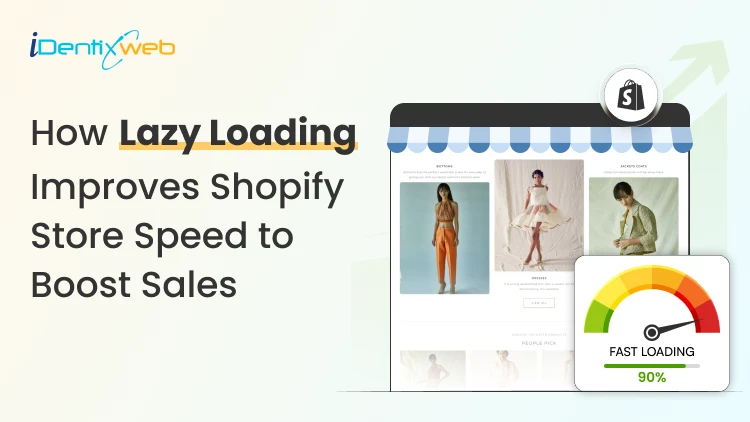
How to Enable Shopify Lazy Load (2026 Step-by-Step Guide)
Images are always the heaviest thing on a Shopify page. Loading every one of them the moment a page opens is what affects the store’s speed. Shopify lazy load is the fix. It tells the browser to download images only as a shopper scrolls toward them. The first screen loads fast, and your visitors stop staring at a blank layout. I have helped design enough Shopify stores to know the mistakes owners make during optimization. I will walk you through the whole thing the way I actually do it. You will learn what lazy loading is, how to check what your theme already does, and how to enable lazy loading in your store. What is lazy loading? Lazy loading is a technique that delays loading images, videos, and other heavy files until they are about to appear on screen. Instead of fetching every image the instant a page opens, the browser downloads only what a visitor can see, then pulls in the rest as they scroll. Less to download up front means a faster store speed and lower data usage, which matters most on mobile. When a page loads, the browser reads the HTML and queues every <img> tag for download. Grabbing all of them at once slows everything down. Lazy loading tells the browser to hold off on the images below the fold, the ones a shopper cannot see yet. One thing worth knowing is that you no longer need to be technical to enable lazy loading. But there are a few things I do before I add lazy loading in the store. First, check if your Shopify theme already lazy loads Most themes built on Online Store 2.0, including Dawn, Craft, Sense, and Refresh, ship with lazy loading on below-the-fold images by default. Adding it again on top duplicates the attribute. Here is the 20-second check I do: Open a collection or product page that has images below the fold. Right-click any image you have to scroll to reach, then click Inspect. Look at the <img> tag in the panel that opens. If you see lazyload and you did not add it yourself, your theme already handles it. Here's how I checked if lazy loading is enabled in the Shopify store, Houseplant. So if your theme is modern and you have already added lazy load, leave it alone. If you are on an older theme or building custom sections, here’s how you can set it up. How to set up Shopify lazy load in your theme? If your theme does not lazy load, or you are editing custom sections, you add the loading="lazy" attribute to the image tags in your Liquid files. The best method in 2026 is to render images with Shopify's image_tag filter, which handles lazy loading, responsive sizing, and dimensions for you. Whatever route you take, duplicate your theme first, so you have a safe rollback if something breaks. Go to Online Store > Themes, click Actions next to your live theme, and choose Duplicate. Work on this copy. To enable lazy loading in Shopify across the whole store, you edit the theme's section and snippet files. Go to Online Store > Themes > Actions > Edit code, then search your files for <img. Common places to look: snippets/card-product.liquid for the product cards used across collections and recommendations sections/featured-collection.liquid for homepage product rows sections/main-collection-product-grid.liquid for collection page grids Add loading="lazy" to the image tags that render below-the-fold content, then save and preview. For example: <img src="{{ section.settings.image | image_url: width: 800 }}" loading="lazy" alt="Product Image"> Pair lazy loading with correctly sized files too. My Shopify image size guide covers the dimensions that keep files light. Which images should you lazy load? The one rule that matters most: do not lazy load anything a shopper sees the instant the page opens. Below are the images you should definitely add the lazy load attribute. Product gallery images Recommended and recently viewed products Blog body images Footer images and badges Lazy loading and Core Web Vitals in 2026 Core Web Vitals are Google’s way of measuring how fast, stable, and responsive your Shopify store feels to visitors. Google currently measures three main Core Web Vitals: 1. Largest Contentful Paint (LCP) LCP measures how quickly the main content at the top of the page appears. This is often your hero banner, product image, or large heading. A good LCP score is under 2.5 seconds. Your main hero image should not be lazy-loaded because customers need to see it immediately. Instead, load the hero image normally and lazy-load images farther down the page. 2. Cumulative Layout Shift (CLS) CLS measures whether content unexpectedly moves while the page is loading. A good CLS score is under 0.1. For example, a customer may try to tap a product button, but an image suddenly loads above it and pushes the button downward. This creates a frustrating shopping experience. 3. Interaction to Next Paint (INP) INP measures how quickly your store responds after a customer clicks, taps, or interacts with something. A good INP score is under 200 milliseconds. Check your scores by visiting ‘pagespeed.web.dev’ and entering your store URL. What this means for your Shopify store Lazy loading works best when you: Load hero images and other above-the-fold content immediately. Lazy-load product images and content farther down the page. Add width and height values to prevent layout movement. Avoid loading too many large images at the same time. Test important pages after making changes. In my experience, collection pages often benefit the most because they usually contain many product images. Do you need a lazy load Shopify app? For images alone, you usually do not need an app. Native browser lazy loading works everywhere, and Shopify's image_tag filter applies it for you. Where a lazy load Shopify app earns its place is in bundling. The good ones compress files, add video facades, defer non-critical scripts, and fix Core Web Vitals. This is useful if you do not want to touch code. If you are weighing options, my guide on top Shopify tools for growth combines image optimization with speed fixes. My honest take after doing this for a living: reach for native lazy loading first, add a well-reviewed speed app only if you need the extra features. If you do want apps for this. I would recommend 3 that I have worked with. 1. Tiny SEO Speed Image Optimizer Tiny SEO offers lazy loading alongside image compression, resizing, alt-text optimization, broken-link management, and other SEO tools. It is a suitable option for merchants looking for an all-in-one image and store optimization app. 2. Avada AI SEO Suite Optimizer Avada combines lazy loading with image optimization, code minification, SEO audits, structured data, and redirects. It can be useful for merchants who want to improve both store speed and technical SEO from one dashboard. 3. WEBP Image Optimizer+Speed SEO This app compresses images, converts JPG and PNG files to WebP, and provides built-in lazy loading. It is worth considering if large image files are the main reason your product or collection pages load slowly. How to test that lazy loading is working Start with DevTools: Open a page with below-the-fold images, right-click, and choose Inspect. Go to the Network tab and, if you like, filter by Img. Refresh the page and scroll slowly from the top. If image requests fire as you scroll instead of all at once, lazy loading is working. I tested it on Netlfix.shop, which is Netflix’s merch store built on Shopify Get Shopify lazy load right Get lazy load in your Shopify store right by letting your theme and the image_tag filter handle the media. Check what your theme already does before you write a single line of code, test with DevTools and PageSpeed Insights. Reach for an app or a developer when you genuinely need more than images handled. FAQs 1. Does Shopify lazy load images by default? Most modern Online Store 2.0 themes apply loading="lazy" to below-the-fold images automatically. Older themes may not. To confirm, right-click an image you have to scroll to see, choose Inspect, and check the <img> tag for loading="lazy". 2. How to lazy load images in Shopify? Shopify themes usually support lazy loading through the loading="lazy" attribute or the Shopify image_tag Liquid filter. To add lazy loading manually, go to Shopify Admin → Online Store → Themes → … → Edit code, open the relevant section or snippet, and find the image code. Add loading="lazy" to a standard image tag—<img src="image.jpg" loading="lazy" width="800" height="600">—or use Shopify Liquid: {{ image | image_url: width: 800 | image_tag: loading: 'lazy' }} 3. What is lazy loading? Lazy loading is a technique that delays loading images and other media until they are close to appearing on the customer’s screen. It reduces the amount of content loaded initially, helping Shopify pages open faster and use less bandwidth. 4. Which is the best lazy load Shopify app? Tiny SEO Speed Image Optimizer is one of the best lazy-loading apps for Shopify because it combines smart lazy loading with image compression, resizing, alt-text optimization, and other speed features.
10 Min • 4 August 2026
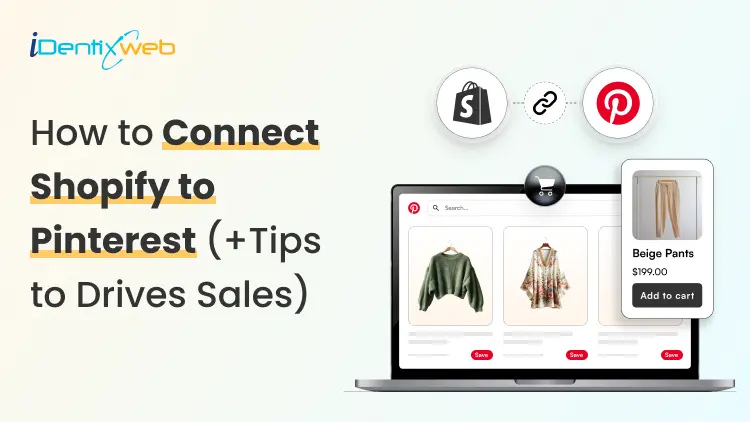
Pinterest for Shopify: How to Connect, Sync, and Sell in 2026
Start by creating a free Pinterest Business Account or converting your existing personal profile. Next, log in to Shopify, find the Pinterest app in the Shopify App Store, and select **Add app**. Follow the prompts to sign in to Pinterest and grant the necessary permissions. Once connected, finish the setup to claim your website, install the Pinterest tag, and automatically sync your Shopify product catalog with Pinterest. Do you know, according to the latest Storeleads data, Pinterest is among the top 5 social media platforms used by Shopify stores. And why not? People arrive on it searching for what they want, and a huge share of that intent is commercial. I went through the current setup end to end and checked every step against Pinterest's own documentation and Shopify's deprecation timeline. Here is what the integration does in 2026, how to link the two accounts properly, and the three or four bits of advice you need to sell. Why is Pinterest worth a Shopify store owner's time? Pinterest behaves like a visual search engine. For a new or small Shopify store, this is huge. Unbranded search is the whole opportunity for new stores. Nobody is searching for your brand yet. They are searching for the problem your product solves. The other thing worth knowing is longevity. A pin keeps surfacing in search and related pins long after you publish it. That behaviour makes Pinterest important for SEO. This is why I treat it as a channel that helps with growth over time. If you are still building your broader plan, my guide on social media marketing for Shopify stores covers how the channels fit together. What does the Pinterest for Shopify app do? The Pinterest for Shopify app is free to install, built and maintained by Pinterest Inc on the Shopify App Store. Here is what happens the moment you install & connect: Your domain gets claimed on Pinterest. No meta tag, no DNS record, no waiting. The Pinterest tag and the Conversions API get installed. You get browser side and server side tracking without customizing theme files. Your Shopify product feed connects to Pinterest. Your catalog becomes a Pinterest data source. Product Pins get generated from that feed. Price and availability stay current instead of going stale. What the Pinterest for Shopify app does not do? The app syncs data and installs tracking. It does not design pins, schedule content, write keyword rich descriptions, or build boards for you. Every store I have seen struggle on Pinterest installed the app, watched Product Pins auto generate, and then stopped. Auto generated Product Pins won’t help you get sales. How do I link my Shopify store to Pinterest? Step 1: Create a Pinterest Business account You need a Pinterest business account before connecting your store. You can either create a new business account or convert your existing personal account. Add your store name, logo, website URL and a short business description so Pinterest can clearly identify your brand. Step 2: Install the official Pinterest app Log in to your Shopify Admin and go to: Settings > Apps and sales channels > Shopify App Store Click Install, review the permissions and approve the installation. Pinterest should then appear in your Shopify Admin as an app or sales channel. Step 3: Connect your Pinterest account Open the Pinterest channel inside Shopify and click Connect Pinterest account. A Pinterest login window will appear. Log in using the account that owns your Pinterest business profile. Select the correct Pinterest business account and advertiser account, then approve the connection. Step 4: Let Pinterest claim your website The Shopify integration should automatically claim your Shopify website on Pinterest. You can check this inside your Pinterest settings under Claimed accounts or Claimed websites. Your Shopify domain should appear there after the connection is completed. Step 5: Allow your products to sync Once the accounts are connected, Pinterest will create a product catalog using the information from your Shopify store. Active Shopify products will automatically become Product Pins on Pinterest. Step 6: Update your inventory Once connected, when you update the pricing, description, images, and other details in the Shopify inventory, it will automatically get updated in the product pins. Shopify Pinterest integration: What to verify after you connect Feed timing Your Shopify product feed updates every 24 hours. Your Shopify collections sync every 48 hours and land in Pinterest as product groups. If you launched a collection yesterday and it is missing, wait another day before troubleshooting. Product groups Open Catalogs and product groups in your Pinterest business account and confirm your collections came through with the right products in them. Broken product groups make catalog sales campaigns useless later. Multiple markets If you use Shopify Markets for different countries and currencies, you can create separate Pinterest feed profiles to match. Each feed profile needs to be active and have a domain associated with it. Out of stock behaviour If a product is part of an active Pinterest campaign, Pinterest will keep promoting it even after it sells out on Shopify. Pausing that spend is on you, so update your campaigns when inventory runs down. Merchant guidelines Your site needs easy to find contact details, a shipping policy, and a refund policy. Catalogs get rejected for missing these more often than for anything to do with the products. How to add a Pinterest HTML tag to Shopify? Step 1 Log in to your Pinterest business account on desktop. Step 2 Click the chevron in the top right and select Settings. Step 3 Click Link to Pinterest in the left navigation. Step 4 Click Claim next to Websites, then copy the code under the Add HTML tag. Step 5 In Shopify, go to Online Store > Themes, click the ellipsis next to Customize, and select Edit code. Step 6 Open theme.liquid, paste the tag just above the closing </head>, and save. Step 7 Return to Pinterest, enter your store URL, and click Verify. How to add Pinterest button to Shopify so visitors pin for you The best way to add a Pinterest button to a Shopify store is to use Pinterest Save Button by RoarTheme. It is free, works with current Shopify themes, and installs without code. Types of pins that matter for Shopify stores There are basically 3 types of pins in Pinterest. Image pins Video pins Rich pins Rich pins pull metadata straight from your site so your pins stay accurate without manual editing. There are three further types of rich pins: Product, Article, and Recipe. Product Rich Pins matter most for Shopify. They keep live pricing and availability on the pin, which is what stops shoppers from clicking through to a sold out item. How does Pinterest SEO work for Shopify stores? If you treat Pinterest like a search engine, your organic reach will increase. Keywords belong in your pin titles, pin descriptions, board names, board descriptions, and your product feed metadata, because Pinterest reads all of them. This is a practical routine that I always follow: Research with Pinterest Trends and the search bar. Type a seed term into Pinterest search and read the suggested tiles that appear underneath. Those are real queries. Name boards after searches. "Small Space Living Room Ideas" is much better than"Cosy Vibes." Write pin descriptions for humans who search. Two or three sentences with the natural phrasing someone would actually type. Fix your feed metadata. Product titles and descriptions in your Shopify catalog become the text Pinterest indexes. If your titles are not strong, they won’t appear in searches. Publish fresh pins consistently. Pinterest favours new content over the same image repeatedly. This is why the old bulk repinning strategy won’t work in 2026. The same method that lifts your Google rankings lifts your Pinterest reach, and my Shopify SEO guide walks through exactly this method. Best Pinterest marketing tools for Shopify stores I just use four tools for marketing when I’m using Pinterest for Shopify stores. Pinterest Trends shows real search volume and seasonality by region, which tells you when to publish rather than what to guess. Pinterest Analytics shows saves, outbound clicks, and top pins. Pinterest Ads Manager handles campaigns and conversion reporting. The Pinterest for Shopify app does your catalog and tracking. That combination costs nothing. Get real results from Pinterest for Shopify this year Pinterest for Shopify is a two part job. The app handles the day-to-day operations. It cannot give you the reason for someone to save your PIN, and that is the half that actually decides whether the channel earns its place. If you do three things this month, make them these. Install the app and confirm the catalog and tag are live. Audit your checkout tracking. Publish ten vertical pins built around real Pinterest searches. FAQs 1. Does Pinterest integrate with Shopify? Yes. The official Pinterest for Shopify app connects your Shopify store to a Pinterest business account. It also automatically claims your website, installs the Pinterest Tag and Conversions API, syncs your product feed, and creates Product Pins. Availability may depend on the country where your business is registered. 2. How do I link my Shopify store to Pinterest? Create a Pinterest business account and advertiser account. Install the Pinterest for Shopify app from the Shopify App Store and follow the on-screen connection steps. You must be the Pinterest account owner, and you should remove any manually installed Pinterest Tag first to avoid duplicate tracking. 3. How to make money on Pinterest with Shopify? Connect your Shopify catalog to Pinterest, create keyword-optimized Pins, tag relevant products, and use organic Product Pins or Shopping Ads to send shoppers to your product pages. You earn money when Pinterest visitors complete purchases through your Shopify store. 4. How to add a Pinterest button to Shopify? The easiest option is to install a Shopify app such as Pin it: Pinterest Save Button, which adds a customizable Pinterest Save button to product and collection images without coding. You can also use Pinterest’s Save Add-On builder and manually add the generated code to your Shopify theme, but duplicate your theme before editing theme.liquid. 5. How to add a Pinterest HTML tag to Shopify? In Pinterest, go to Settings > Link to Pinterest > Claim > Websites and copy the HTML verification tag. In Shopify, open Online Store > Themes > Edit code > theme.liquid, paste the tag inside the <head> section before </head>, save the file, and return to Pinterest to verify your store URL. 6. How to claim the Shopify website on Pinterest? The easiest method is to install the Pinterest for Shopify app, which claims the connected domain automatically. For manual verification, Pinterest lets you add an HTML tag to theme.liquid or add a Pinterest TXT record to your domain’s DNS settings; note that a website can be claimed by only one Pinterest account at a time.
12 Min • 27 July 2026
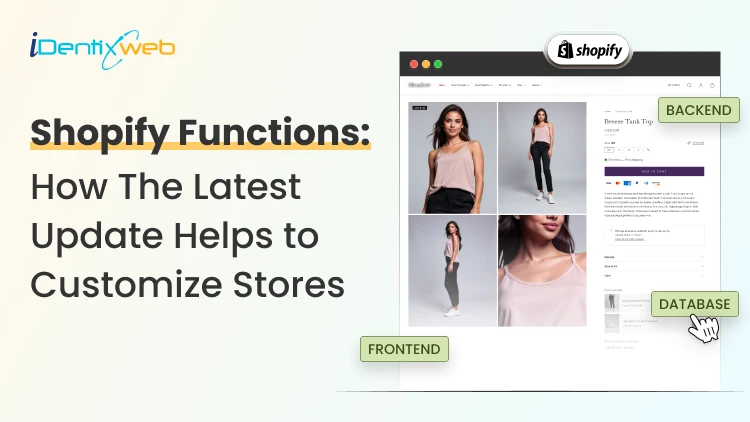
Shopify Functions: How The Latest Update Helps Merchants Customize
Shopify has completed one of its biggest checkout customization changes. Shopify Scripts stopped running on June 30, 2026, and Shopify Functions are now the main way to add custom business rules to carts and checkout. Merchants on any Shopify plan can use public apps built with Shopify Functions. This gives more stores access to advanced discounts, product bundles, delivery rules, payment controls, and checkout validation without asking merchants to manage code themselves. What are Shopify Functions? Shopify Functions are small pieces of backend logic that change how Shopify handles important parts of the buying process. A Function can tell Shopify to: Apply a discount when a cart meets specific conditions Combine several products into a bundle Hide an unsuitable shipping option Stop checkout when an order breaks a business rule Choose how an order should be routed or fulfilled The Function runs on Shopify’s infrastructure during the cart or checkout process. It receives information about the cart, applies the business rules, and sends Shopify a list of actions to perform. What is the latest Shopify Functions update? The most important current update is that Shopify Scripts are gone. Shopify stopped merchants from editing or publishing Scripts on April 15, 2026. All remaining Scripts stopped executing on June 30, 2026. Now merchants need to recreate rules using: A public app built with Shopify Functions A custom app using Shopify Function APIs This update makes the customization system easier to distribute and manage. Shopify Functions are packaged inside apps, and it follows a simple process: A customer changes their cart or moves through checkout. Shopify sends the Function the information it needs. The Function checks that information against its rules. It returns an instruction to Shopify. Shopify applies that instruction to the cart or checkout. For example, a merchant may create a tiered discount with these rules: Spend $100 and receive 10% off Spend $150 and receive 15% off Spend $200 and receive free shipping The Shopify Functions app reads the cart value and returns the correct discount. Shopify then applies it during the buying process. Functions run in a specific order. Cart transformations happen first, followed by product and order discounts, fulfillment logic, delivery rules, shipping discounts, payment changes, and checkout validation. This order matters when several apps are changing the same cart. What can merchants customize with Shopify Functions? 1. Product, order, and shipping discounts The current Discount Function API can create discounts across three areas: Products The complete order Shipping or delivery Use cases for merchants include: Tiered discounts Quantity breaks Buy X, get Y offers Customer-tag discounts Discounts for selected products or collections Shipping discounts based on cart value Discounts for products with custom properties This gives merchants more control than Shopify’s standard discount settings when the offer depends on several conditions. 2. Product bundles and cart changes Cart Transform Functions change how products appear and behave inside the cart. Apps can use them to: Merge multiple products into one bundle Expand a bundle into its individual components Add required products or services Change how bundle items are presented Build mix-and-match bundles Shopify allows Cart Transform apps on different plans. So check the app’s plan requirements instead of assuming every Cart Transform feature is available on every plan. 3. Delivery option customization Delivery Customization Functions can rename, reorder, or hide delivery options at checkout. A merchant could use these rules to: Hide express shipping for products that require preparation Place local delivery above standard shipping Hide delivery methods for particular customer groups Remove unsuitable options for specific addresses Prioritize a preferred delivery service Shopify currently allows up to 25 active delivery customization Functions on a store. Availability may still depend on the app, checkout surface, shipping setup, and the data available to the Function. 4. Payment method customization Payment Customization Functions control which payment choices customers see and how those choices are presented. They can help merchants: Hide cash on delivery for high-value orders Hide a payment option in selected countries Add payment terms for eligible B2B customers Send qualifying B2B orders for review Wallets such as Shop Pay, Apple Pay, and Google Pay have specific limitations. For example, wallets can be removed from certain checkout sections but cannot be reordered, and their branded names cannot be changed. 5. Cart and checkout validation Validation Functions prevent customers from completing an order when the cart does not meet the merchant’s rules. Examples include: Limiting the quantity of a high-demand product Requiring a minimum order amount Preventing incompatible products from being purchased together Checking a purchase order number Restricting purchases based on billing information Displaying an error message when a rule fails These validations run on Shopify’s backend. They can also apply to accelerated checkouts such as Shop Pay, PayPal, Apple Pay, and Google Pay. 6. Fulfillment and order routing Shopify Functions can help determine how an order should be fulfilled after checkout. A merchant may use them to: Prioritize a warehouse Prevent an order from being split across several locations Apply fulfillment restrictions Route orders based on stock, destination, or operational rules Choose a different fulfillment location for particular orders These features are useful for merchants with multiple warehouses, retail stores, and regional fulfillment centers. 7. Local pickup and pickup options Functions include tools for generating local pickup options, pickup-point delivery options, and local pickup charges. This can support cases where a merchant needs to: Generate pickup choices based on the customer’s location Provide pickup points from an external network Charge a fee for selected pickup services What is the Shopify Functions app? A Shopify Functions app is an app that includes one or more Shopify Functions. The app developer writes the backend logic and creates a merchant-facing interface for configuring it. The merchant can then install the app and create rules without editing the Function’s source code. For example, a discount app might allow a merchant to choose: Eligible products Customer tags Minimum quantities Discount values Campaign dates Market or country conditions The app converts those settings into configuration data that its Function can use when Shopify processes a cart. Are Shopify Functions available on all Shopify plans? Yes, it is. Public Shopify Functions apps can be used by stores on any Shopify plan, except where Shopify places a restriction on a particular API, operation, checkout feature, or app. However, merchants should still review: The app developer’s supported plans Restrictions for the specific Function operation Checkout and sales-channel compatibility Whether the app requires Shopify Plus features Limits involving subscriptions, POS, draft orders, or accelerated checkout Are Shopify functions available only on Shopify Plus? No. Shopify Functions are not available only on Shopify Plus. Stores on any plan can use approved public apps from the Shopify App Store that contain Functions. However, Plus is required for specific advanced operations. Here’s a breakdown. RequirementPlan availabilityInstall a public Functions app from the Shopify App StoreAny Shopify plan, subject to feature restrictionsBuild and install a custom app containing Shopify FunctionsShopify PlusUse advanced operations marked as Plus-onlyShopify PlusUse restricted network access for some Function targetsShopify Plus or Enterprise, depending on the API How does the latest Functions update help merchants? More customization without managing code Shopify Functions can be delivered and configured through apps. Therefore, most merchants can use advanced rules without seeing or editing the Function code. Better performance during busy sales Shopify says Functions execute in under 5 milliseconds on its WebAssembly platform. This is helpful during the busiest shopping days of the year. Know more details about the busiest shopping days of the year to prepare for 2026. Easier maintenance A Functions app can be updated and distributed by its developer. Merchants do not need to copy updated code into every store. This can make ongoing maintenance easier. More consistent backend rules Theme customizations may behave differently across online storefronts, accelerated checkout buttons, mobile apps, and other sales channels. Functions operate in Shopify’s backend, which can make business rules more reliable across supported surfaces. However, each Function API has its own compatibility table, so merchants must still verify whether it supports POS, subscriptions, draft orders, accelerated checkout, and other relevant channels. Shopify Scripts to Shopify Functions migration guide Step 1: Open the Shopify Scripts customizations report From Shopify admin: Go to Apps Open the Script Editor app (Only available till July 30, 2026) Find the Replace your Shopify Scripts banner Click Replace Shopify Scripts The report lists previously active customizations under areas such as product discounts, shipping, and payment gateways. It may also provide recommended apps and relevant Shopify Functions tutorials. Step 2: Decide which rules still matter Do not recreate every old Script automatically. For each customization, ask: Is the rule still used? Does it still support the current sales strategy? Does Shopify now provide a native feature for it? Can one app replace several Scripts? Did the Script conflict with other discounts or checkout apps? Step 3: Document the original behavior Write down the exact conditions and results for every rule you want to keep. Include: Eligible customers Eligible products Minimum cart values Quantity requirements Discount amounts Shipping conditions Payment conditions Markets and currencies Exclusions Combination rules Error messages Do not select a replacement app based only on a similar feature name. Confirm that it can reproduce the complete business rule. Step 4: Choose a public app or custom development A public app is usually suitable when the requirement involves common use cases such as: Tiered discounts Free gifts Bundles Shipping rules Payment restrictions Quantity limits Custom development may be necessary when the logic depends on proprietary workflows, unusual data, complex B2B rules, or several connected systems. Remember that a custom app containing Shopify Functions requires Shopify Plus. Step 5: Rebuild the rules Configure the replacement using the chosen Shopify Functions app or custom app. Keep the first version as close as possible to the original Script behavior. Avoid adding unrelated changes during migration because that makes problems harder to identify. Step 6: Test every important scenario Test more than one successful checkout. Cover: Eligible and ineligible customers Minimum and maximum cart values Discount combinations Different countries and currencies Mobile and desktop checkout Shop Pay and other accelerated checkouts Subscriptions Draft orders Local delivery and pickup Shopify documents different compatibility levels for each Function API. A rule that works during standard online checkout may behave differently with subscriptions, draft orders, order editing, or POS. Step 7: Monitor live orders After launch, monitor: Discount amounts Shipping charges Payment availability Checkout errors Bundle inventory Order routing Customer support tickets App execution errors Pricing and checkout logic should be treated as revenue-critical functionality. Review it after app updates, Shopify API changes, theme changes, and major campaign launches. Important Shopify Functions limitations Functions have resource limits Shopify sets limits on compiled size, memory, input size, output size, and execution instructions. Functions must be efficient because they run during key purchase steps. This means extremely complex rules may need to be simplified or split into a better data structure. App conflicts are still possible Several discount Functions can run at the same time, but they do not communicate directly with each other. Shopify evaluates its results using the discount combination settings attached to each discount. Check the combinations between discount, bundle, gift, subscription, shipping, and checkout apps before launching a major campaign. Do you need a developer to use Shopify Functions? You do not need a developer when a public Shopify Functions app already supports your use case. A developer becomes useful when: No existing app matches the rule The logic depends on custom data Several systems need to work together Your store has complex B2B requirements You are replacing heavily customized Shopify Scripts The rule affects several checkout stages You need a custom Functions app on Shopify Plus Final thoughts Shopify Functions have moved advanced commerce logic away from the old Script Editor and into a faster, app-based system. Merchants can create more relevant discounts, flexible bundles, safer checkout rules, clearer delivery options, and better payment experiences without coding. Shopify Functions are also available across Shopify plans, while custom Functions apps and some advanced capabilities remain restricted to Plus or Enterprise. Start with the business rule you need, confirm the app and plan compatibility, and test the complete customer journey before publishing it. FAQs 1. What are Shopify Functions? Shopify Functions are backend rules that customize how Shopify handles discounts, carts, delivery, payments, validation, fulfillment, and other parts of checkout. They are delivered through apps and run on Shopify’s infrastructure when customers shop. 2. What is a Shopify Functions app? A Shopify Functions app is a public or custom Shopify app that contains one or more Functions. It gives merchants an interface for configuring the Function’s rules without editing its underlying code. 3. Are Shopify Functions available on all Shopify plans? Public apps containing Shopify Functions can be installed on any Shopify plan unless the app or specific Function capability has additional restrictions. Merchants should check the app listing and Shopify API documentation for plan and checkout compatibility. 4. Are Shopify Functions available only on Shopify Plus? No. Public Shopify Functions apps can work on Basic, Grow, Advanced, and Plus plans. Shopify Plus is required for custom apps containing Shopify Functions and for some advanced operations. 5. What replaced Shopify Scripts? Shopify Functions replaced Shopify Scripts for custom discount, shipping, payment, cart, and checkout logic. Shopify Scripts stopped executing completely on June 30, 2026. 6. What is the difference between Shopify Functions and Shopify Scripts? Shopify Scripts used Ruby code in the Script Editor and were available only to Shopify Plus merchants. Shopify Functions run through apps on Shopify’s backend, and public Functions apps can be used across Shopify plans. Functions are faster, easier to maintain, and support more customization areas, while Scripts were fully discontinued on June 30, 2026.
Vineet Nair
10 Min • 21 May 2026
252 Views
Sajini Annie John
7 Min • 9 May 2026
258 Views
Sajini Annie John
2 Min • 15 May 2026
227 Views
Vineet Nair
6 Min • 5 May 2026
301 Views
Sajini Annie John
2 Min • 6 May 2026
238 Views
Vineet Nair
8 Min • 30 April 2026
275 Views
Vineet Nair
7 Min • 30 April 2026
239 Views
Sajini Annie John
3 Min • 6 May 2026
252 Views
Sajini Annie John
1 Min • 29 April 2026
253 Views
Vineet Nair
7 Min • 28 April 2026
252 Views
Vineet Nair
6 Min • 22 April 2026
243 Views
Vineet Nair
7 Min • 21 April 2026
285 Views