

Author: Dmytro Reshetchenko
Gather knowledge about the latest insights, updates, tips, and tricks in the Ecommerce industry.
5 Min • 20 March 2026
How Anua Unlocked 5X AOV Growth with iCart’s Smart Cart Features
delivery customization Challenges Solutions drive results Scale business delivery customization Challenges Solutions drive results Scale business delivery customization Challenges Solutions drive results Scale business delivery customization Challenges Solutions drive results Scale business Anua is a globally recognized Korean skincare brand known for its minimalist philosophy and focus on gentle yet effective formulations. Built on the idea of simplifying skincare routines, Anua develops products that deliver visible results while avoiding harsh or irritating components, making them suitable for sensitive skin types. Initially using a traditional full cart experience, Anua transitioned to iCart’s side cart solution in August 2025, to create a more seamless and engaging shopping journey. This shift allowed customers to easily explore complementary skincare products without disrupting their browsing flow, making it more intuitive to discover items that fit into a complete routine. By surfacing relevant recommendations directly within the cart, the brand enhanced product visibility across its range. Challenges Before implementing iCart’s side cart solution, Anua faced limitations with their existing full cart experience, which created friction in the customer journey. The traditional cart setup redirected users away from product pages, interrupting their browsing flow and reducing opportunities to explore additional products. As a skincare brand built around routines rather than single-item purchases, this made it difficult to effectively showcase complementary products and encourage customers to build complete regimens. Additionally, the lack of in-cart personalization and strategic upsell opportunities meant that customers were often unaware of related products that could enhance their skincare results. This limited the brand’s ability to increase average order value (AOV) and fully leverage its diverse product range. Anua needed a more dynamic and intuitive cart experience that could seamlessly introduce relevant recommendations while maintaining a smooth and engaging shopping journey. ❌ Cart Value Barriers Low average order value (AOV) due to single-item focus Most customers completed purchases with one primary product instead of building multi-step routines. Cart abandonment near shipping thresholds Customers were not clearly informed or motivated to reach free shipping or discount thresholds. Missed savings opportunities Customers were unaware of potential value in purchasing bundled routines or multiple complementary products. ❌ Absence of Progress-Based Incentives No free shipping or discount progress bar Customers were not motivated to increase their cart value due to lack of visible incentives. Missing tiered rewards system There were no structured milestones (e.g., “Spend more to unlock offers”), reducing upsell opportunities. ❌ Ineffective Cart UI/UX (Pre-Side Cart) Full-page cart disrupted shopping flowCustomers had to leave their browsing journey, increasing friction and drop-offs. No quick add/remove functionality Users couldn’t easily modify their cart or add suggested products without navigating away. Solution To overcome these challenges, Anua implemented iCart’s side cart solution to transform their traditional cart into a high-converting, interactive experience. By replacing the full-page cart with a seamless side cart, the brand ensured that customers could continue browsing while viewing their cart, significantly reducing friction in the shopping journey. Additionally, features like product recommendations & progress bars for free shipping and discounts motivated customers to increase their cart value. By combining personalization, incentive-driven messaging, and a user-friendly interface, Anua successfully turned their cart into a powerful revenue-driving touchpoint rather than just a checkout step. To maximize their cart effectiveness, they implemented two powerful features: ✅ Progress Bar with Multi-Reward Incentives Implemented a tiered progress bar to encourage higher cart value Customers are guided with a clear message like “Add $3.10 to unlock secret offer,” motivating them to continue adding products. Generated over $5M+ in revenue through incentive-driven cart progression Used product-based rewards to align with customer intent Instead of generic discounts, Anua incentivized purchases with relevant skincare items like Dark Spot Pads and mini serums. Built visual motivation for routine expansion As customers add products, they can clearly track progress toward unlocking multiple rewards, encouraging them to build a complete skincare routine. ✅ Product Recommendations Implemented “Frequently Bought Together” recommendations Customers adding a single product (e.g., toner) are shown complementary items like serums, moisturizers, or pads to complete their routine. Generated over 275K revenue through in-cart recommendations Encouraged full skincare regimen building Instead of isolated purchases, the cart suggests step-by-step product combinations aligned with common skincare routines. Increased product discovery at the final stage By surfacing relevant items directly in the cart, Anua ensured customers explore more of their catalog without leaving the checkout flow. Results Achieved in Last 180 Days 22932 Total Store Orders 45101 Total iCart Orders 5X iCart Generated AOV 65.70% Upsell Affected Conversion Rate These improvements reflect a clear shift in customer behavior on Anua’s store. Cart abandonment reduced as shoppers discovered complementary skincare products and felt encouraged to build complete routines. Engagement also increased, with customers interacting more with in-cart recommendations and exploring relevant product pairings. Results & Impact And...Results is Our Main Clarification By implementing iCart’s cart drawer, product recommendations, and progress bar, Anua transformed its cart into a high-performing conversion touchpoint. Shopping Experience Enhancement The improved cart experience encouraged customers to discover complementary products and understand the value of sustainable beauty routines. For instance, the clear presentation of subscription savings alongside one-time purchase options helped customers make more informed decisions about their long-term hair care needs. As Anua continues to optimize its cart experience, the brand is closely monitoring: Routine-based purchasing behavior - tracking how customers move from single items to multi-step regimens Engagement with in-cart recommendations - measuring interaction with suggested products Cart value progression - analyzing how incentives influence higher spending [related_cases_slider] Ready to Write Your Success Story? Try icart App Join successful businesses like Anua and Master your delivery scheduling Delight customers with precise timing Grow your special occasion orders Expand your delivery reach
Read Blog
9 Min • 12 August 2026
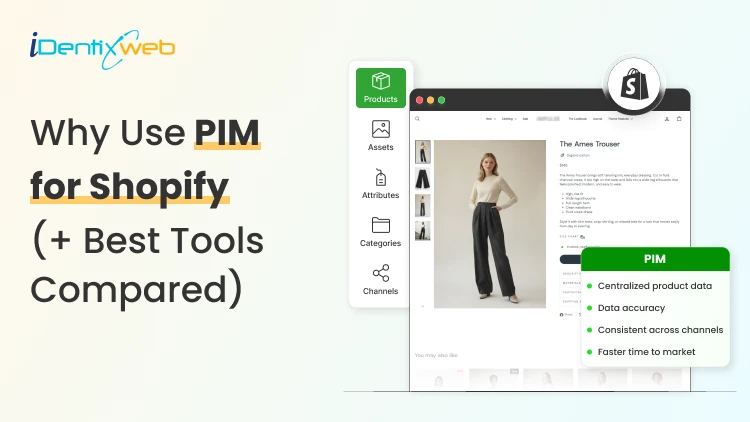
PIM for Shopify: How to Turn Product Information Into More Sales
PIM (Product Information Management) for Shopify is a centralized system that helps merchants manage, enrich, and distribute accurate product data across Shopify, marketplaces, and other sales channels. It improves data consistency, reduces missing product information, supports faster catalog updates, lowers return risks, and strengthens multi-channel selling. Popular PIM options for Shopify include Plytix, Sales Layer, Apimio, Jasper PIM, Akeneo, Salsify, inRiver, and Pimcore. Most Shopify stores lose sales because the information around their products is inconsistent or confusing to customers. A PIM for Shopify fixes that by giving you one clean source of info for every title, spec, image, and attribute, then pushing it out everywhere you sell. Better product data helps you get more revenue, fewer returns, and products that actually show up when a shopper asks an AI what to buy. I'll walk you through what a PIM really does for a Shopify store, whether you need one yet, and what the good options cost in 2026. What is a PIM for Shopify? A PIM (product information management) system is a central hub where you create, enrich, and manage all your product data. For a Shopify store, a PIM sits alongside your admin and gives clean, complete, consistent product content into Shopify and out to marketplaces, feeds, and AI channels. Shopify already stores product data. A PIM is different because it's built for scale and structure. You get flexible attribute models, validation rules that catch missing or wrong fields, and digital asset management for images and videos. The reason store owners search for a PIM is that their catalog has grown, the channels multiplied, and keeping product data accurate has become difficult. How does better product information turn into more sales? 1. Fewer returns and refunds Returns are one of the first places where inconsistent product data starts eating into margins. The National Retail Federation estimates the average retail return rate at nearly 17%, with returns costing retailers close to $850 billion annually. Accurate sizing, specifications, images, and product descriptions reduce the gap between what customers expect and what they actually receive. 2. Higher conversion and less abandonment Incomplete product information can send shoppers directly to a competitor. Akeneo found that: 70% of consumers would choose a different product when information is missing. 65% would abandon the purchase completely. This is where a Product Information Management (PIM) system becomes useful. A PIM can enforce mandatory product attributes before a SKU is published. For example, every product can be required to include: Dimensions Materials Care instructions Product specifications Multiple product images Instead of relying on someone to notice missing information manually, the system helps prevent incomplete product listings from reaching the storefront. 3. Better Visibility in AI Shopping Channels In 2026, consistent product data matters beyond your Shopify storefront. It also affects how products appear in AI-powered shopping experiences. Shopify has expanded product discovery through channels such as: ChatGPT Perplexity Microsoft Copilot Google AI Mode These systems rely heavily on structured and complete product information to understand what a product is, who it is suitable for, and when it should be recommended. A product with: A vague description, missing GTIN, limited specifications, and a few structured attributes gives an AI shopping assistant far less information to work with. For a deeper understanding of how to rank in AI engines, read my breakdown on best practices for AEO in Shopify stores in 2026. Do you actually need a PIM for Shopify yet? A lot of Shopify stores don't need a standalone PIM. If you sell a few hundred products on one or two channels and your data is manageable, Shopify's native tools should be your choice. Shopify's metafields and metaobjects are the reason. Metafields let you add structured custom fields to products, variants, collections, and more, so you can store specs, size guides, and warranty details that Shopify's default fields don't cover. Metaobjects let you build reusable content objects, like a brand or a care guide, and connect them across many products. If you're not using them yet, here are a few of my guides and articles you can go through. Shopify metafields guide How to add product metafields Shopify metaobjects guide What to look for in a PIM for Shopify? Focus on five things: How does it connect to Shopify? How flexible is its data model? How well does it handle assets? How does it syndicate to channels? How does it keep data clean? Connection comes first, and it splits into two camps. Some PIMs offer a native Shopify integration or a listed Shopify app, so product data flows straight into your store with minimal setup. Others connect through a middleware layer or a third-party connector, which works but adds a moving part to maintain. If you search "PIM for Shopify app," you're looking for that first camp, and it's the smoother path for most stores that don't have a developer on call. Check the current Shopify App Store listing and recent reviews before you commit, since integrations and pricing change often. Beyond the connection, here's what actually matters: A flexible data model and taxonomy, so you can define the exact attributes your products need and enforce them. Data validation and governance, so incomplete or malformed data can't reach your storefront. Digital asset management for images and video, ideally with variant-level control. If you want icons and trust badges on product pages, our guide on displaying images with metafields shows the native version of the same idea. Channel syndication and localization, so one enriched record can publish to Shopify, marketplaces, feeds, and AI channels in the right format each time. Automation and AI enrichment to fill gaps, generate copy, and score data quality, which saves the most tedious hours. If a tool nails those five and connects cleanly to Shopify, it'll serve you far longer than one that just has a long feature list. Best PIM for Shopify in 2026 Plytix Plytix is a common starting point for growing brands because it offers a free tier for smaller catalogs and supports unlimited users. Its paid plans scale based on SKU requirements, making it suitable for businesses that expect their catalogs to grow over time. Akeneo Akeneo is designed for businesses that need advanced product information management across large catalogs, teams, markets, and languages. Salsify Salsify combines product information management with broader product experience and syndication capabilities, making it more suitable for brands distributing product data across multiple channels. Pimcore Pimcore supports sophisticated product data models and is often considered when businesses need greater flexibility around product information, digital assets, and other connected data. Sales Layer, Apimio, and Jasper PIM Sales Layer, Apimio, and Jasper PIM target a similar segment. They are generally suited to brands that need: Centralized product information Better product data consistency Multi-channel syndication Easier catalog management Shopify integration without a complex enterprise implementation What does a PIM for Shopify actually cost in 2026? PIM pricing in 2026 runs from free to well over $50,000 a year, and the plan name matters less than your catalog complexity. Most SaaS PIMs price by the number of SKUs, users, channels, and outputs, while enterprise platforms quote custom deals you won't see without a demo. Here's the rough shape of the market, based on current published pricing and PIM cost breakdowns from vendors like Plytix and Akeneo: Free and entry SaaS tiers cover small catalogs, often up to around 1,000 SKUs, with limited features. Good for testing the idea. Mid-market SaaS plans commonly start in the few-hundred-dollars-a-month range and scale with SKU count. Plytix, for example, publishes a Pro tier starting around $499 a month for larger catalogs, and other SaaS PIMs sit in a similar band. Enterprise platforms like Akeneo, Salsify, and inRiver don't publish full pricing. Budgeting guidance from these vendors points to five figures a year and up once services are added, and first-year totals can climb much higher with implementation. PIM for Shopify Plus and high-volume catalogs For Shopify Plus and high-volume stores, a PIM shifts from optional to close to essential, because the whole reason you're on Plus is scale, and scale is where manual product data breaks. The specific wins for a PIM on Shopify Plus: One source of truth across multiple Plus storefronts and regions, so a single edit propagates everywhere instead of being redone per store. Localization at scale, with translated attributes and region-specific data flowing to the right storefront automatically. B2B and wholesale support, where different buyers need different data, pricing, and catalogs from the same underlying products. Governance and workflows, so a team of merchandisers, marketers, and suppliers can all contribute without corrupting the catalog. How to roll out a PIM the right way? To close out this blog, here's the sequence I'd follow: Audit your current data first. Pull your catalog, find the gaps, the duplicates, and the inconsistencies. You'll fix these no matter which tool you pick, so do it before you buy. Design your attribute model before importing anything. Decide the fields every product must have, the allowed values, and the rules. A governed model is what keeps a PIM clean six months later. Start with a pilot, not the whole catalog. Migrate one category or your best-sellers, get the Shopify sync working end-to-end, and confirm the data lands correctly on your storefront and channels. Assign ownership. Someone has to own product data quality, or the system slowly drifts back to the mess you were escaping. Then scale. Roll out category by category, syndicate to your channels, and layer in automation and AI enrichment once the foundation is solid. FAQs 1. What is PIM for Shopify? A PIM system for Shopify is software that centralizes, organizes, and manages product data such as titles, descriptions, specifications, images, variants, and attributes before syncing it to your Shopify store and other sales channels. It is useful for merchants with large catalogs because it helps maintain accurate, consistent product information across channels. 2. Is Shopify a PIM system? No. Shopify stores and manages product data, and its metafields and metaobjects add structured custom fields, but it lacks the multi-channel syndication of a dedicated PIM. For a single store with a small catalog, native Shopify is often enough. For large catalogs across many channels, a PIM will help. 3. What is the best PIM for Shopify? For most small and mid-sized stores, Plytix, Sales Layer, or Apimio fit well and connect to Shopify easily. For large, complex catalogs, enterprise platforms like Akeneo, Salsify, or inRiver are a better choice. 4. Do I need a PIM system for Shopify multi-channel selling? If you have thousands of SKUs, multiple variants of products, and content that is localized and sold across global markets, you need a PIM system for Shopify multi-channel selling.
5 Min • 18 July 2026
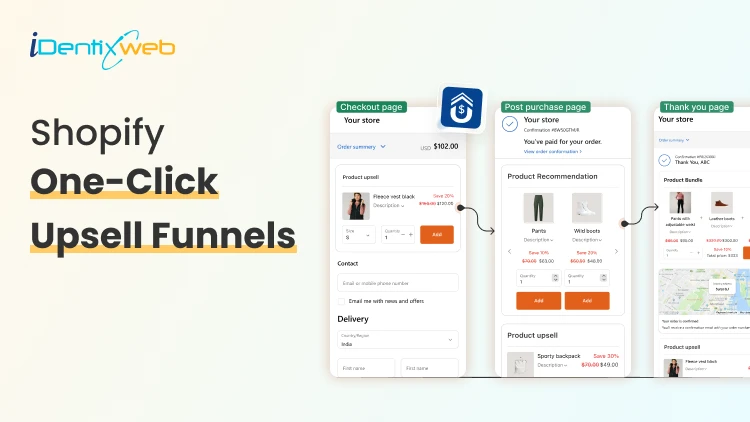
Shopify One-Click Upsell Funnels: 7 Proven Frameworks to Increase Revenue Per Order
You spend all day driving traffic to your store. The visitor lands, adds one product, checks out. Order confirmed. Thank you page. Done. That last step is where most stores quietly leave money on the table. A Shopify one click upsell fixes that. It shows the shopper one more offer right after they pay because there is no re-entering card details, no second checkout. One tap and the order grows. This post walks through 7 Shopify upsell funnel frameworks that work in 2026. What is a Shopify one click upsell? A Shopify one-click upsell is a post-purchase feature that lets customers add an additional item or upgrade to their cart after they check out, but before the final thank you page. The customer accepts with a single tap. No re-entering card info. No second checkout. 7 Proven Shopify One Click Upsell Funnels to Increase AOV Not every store needs every framework. Pick the ones that match your catalog and your average cart. 1. Complementary Product Funnel This shopify one click upsell offers a related product that matches the main purchase. A good funnel here should keep the add-on price low enough to feel like an easy yes. Example:Phone → Phone caseCamera → Memory cardCoffee maker → Coffee filters 2. Upgrade Funnel This upsell funnel should clearly explain why the upgraded version is better. It works well when the customer only needs to pay the difference and it’s best for premium product tiers. Example: Basic hoodie → premium hoodieSmall shampoo → salon-size bottle 3. Bundle Funnel This funnel turns one product into a bundle offer. It helps raise order value by giving shoppers a better deal on multiple products. This shopify bundle funnel is great for beauty, fashion, and home products. Example: Bought mascara → Offer mascara + eyeliner + primer bundle Want to create this type of shopify upsell funnel without making the post-purchase experience complicated? SellMore helps Shopify merchants build targeted funnels which you can show from checkout page to order status page. 4. The Stock-up Funnel The shopper just bought one bottle. You offer three more at a discount. Or you offer the 3-month bundle. BeeFriendly Skincare uses this exact Shopify one click upsell play. This funnel is best for products people use again and again, like skincare, coffee, supplements, or pet food. 5. The free shipping threshold funnel The shopper's order is $42. Your free shipping kicks in at $50. You offer a $12 add-on that pushes them over. They already know shipping is coming. Getting it free feels like a win. The add-on almost pays for itself in their head. This is one of the simplest funnels to run because the math is easy to explain in one sentence: "Add this and get free shipping." 6. The subscription conversion funnel The buyer paid full price. You show them the subscribe-and-save option right after. "Get this every month for 15% off." Same product, recurring order, lower price. Turn a one-time buyer into recurring revenue. 7. The category cross-sell funnel Different from a complementary add-on. This one moves the shopper into a category they haven't tried. Bought a face serum → try the eye cream. Bought running shoes → check out the recovery Conclusion A successful upsell strategy is not about showing more products; it is about presenting the right offer at the right moment. Whether you use upgrades, bundles, subscriptions, free-shipping offers, or downsells, each funnel should feel relevant and easy for the customer to accept. Start with one shopify one click upsell funnel that matches your product type and average order value. Track its acceptance rate, revenue per offer, and customer response, then improve the offer based on real performance. A simple, well-targeted funnel will usually deliver better results than multiple aggressive offers that interrupt the post-purchase experience. Frequently Asked Questions 1. What is a one-click upsell on Shopify? A one-click upsell on Shopify is an offer shown right after checkout, before the thank-you page. The shopper taps once to accept, and the item is added using the payment already on file. No re-entering card details. 2. Does Shopify have one-click upsell built in? Not out of the box. Shopify supports one-click post-purchase offers through Checkout Extensibility, but you need an app or a custom build to actually create and run the offers. Most stores use an app like SellMore to skip the code. 3. What's the difference between a one-click upsell and a thank-you page upsell? A one-click upsell shows on the post-purchase page between payment and the thank-you page one tap, no re-entry. A thank-you page upsell shows on the order confirmation page after the thank-you loads and usually requires a second checkout. Both work; the one-click version converts higher because the friction is gone. 4. How many one-click upsell offers should I show per order? One primary offer, plus one downsell if they decline. Chaining more than that starts to feel pushy and take rates fall off.
10 Min • 28 July 2026
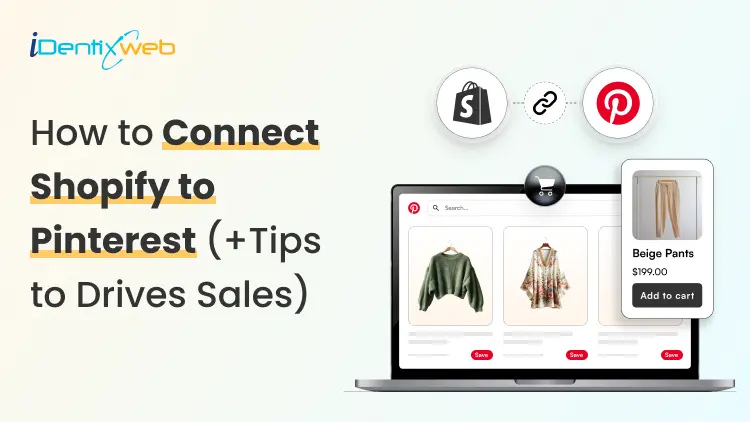
Pinterest for Shopify: How to Connect, Sync, and Sell in 2026
Start by creating a free Pinterest Business Account or converting your existing personal profile. Next, log in to Shopify, find the Pinterest app in the Shopify App Store, and select **Add app**. Follow the prompts to sign in to Pinterest and grant the necessary permissions. Once connected, finish the setup to claim your website, install the Pinterest tag, and automatically sync your Shopify product catalog with Pinterest. Do you know, according to the latest Storeleads data, Pinterest is among the top 5 social media platforms used by Shopify stores. And why not? People arrive on it searching for what they want, and a huge share of that intent is commercial. I went through the current setup end to end and checked every step against Pinterest's own documentation and Shopify's deprecation timeline. Here is what the integration does in 2026, how to link the two accounts properly, and the three or four bits of advice you need to sell. Why is Pinterest worth a Shopify store owner's time? Pinterest behaves like a visual search engine. For a new or small Shopify store, this is huge. Unbranded search is the whole opportunity for new stores. Nobody is searching for your brand yet. They are searching for the problem your product solves. The other thing worth knowing is longevity. A pin keeps surfacing in search and related pins long after you publish it. That behaviour makes Pinterest important for SEO. This is why I treat it as a channel that helps with growth over time. If you are still building your broader plan, my guide on social media marketing for Shopify stores covers how the channels fit together. What does the Pinterest for Shopify app do? The Pinterest for Shopify app is free to install, built and maintained by Pinterest Inc on the Shopify App Store. Here is what happens the moment you install & connect: Your domain gets claimed on Pinterest. No meta tag, no DNS record, no waiting. The Pinterest tag and the Conversions API get installed. You get browser side and server side tracking without customizing theme files. Your Shopify product feed connects to Pinterest. Your catalog becomes a Pinterest data source. Product Pins get generated from that feed. Price and availability stay current instead of going stale. What the Pinterest for Shopify app does not do? The app syncs data and installs tracking. It does not design pins, schedule content, write keyword rich descriptions, or build boards for you. Every store I have seen struggle on Pinterest installed the app, watched Product Pins auto generate, and then stopped. Auto generated Product Pins won’t help you get sales. How do I link my Shopify store to Pinterest? Step 1: Create a Pinterest Business account You need a Pinterest business account before connecting your store. You can either create a new business account or convert your existing personal account. Add your store name, logo, website URL and a short business description so Pinterest can clearly identify your brand. Step 2: Install the official Pinterest app Log in to your Shopify Admin and go to: Settings > Apps and sales channels > Shopify App Store Click Install, review the permissions and approve the installation. Pinterest should then appear in your Shopify Admin as an app or sales channel. Step 3: Connect your Pinterest account Open the Pinterest channel inside Shopify and click Connect Pinterest account. A Pinterest login window will appear. Log in using the account that owns your Pinterest business profile. Select the correct Pinterest business account and advertiser account, then approve the connection. Step 4: Let Pinterest claim your website The Shopify integration should automatically claim your Shopify website on Pinterest. You can check this inside your Pinterest settings under Claimed accounts or Claimed websites. Your Shopify domain should appear there after the connection is completed. Step 5: Allow your products to sync Once the accounts are connected, Pinterest will create a product catalog using the information from your Shopify store. Active Shopify products will automatically become Product Pins on Pinterest. Step 6: Update your inventory Once connected, when you update the pricing, description, images, and other details in the Shopify inventory, it will automatically get updated in the product pins. Shopify Pinterest integration: What to verify after you connect Feed timing Your Shopify product feed updates every 24 hours. Your Shopify collections sync every 48 hours and land in Pinterest as product groups. If you launched a collection yesterday and it is missing, wait another day before troubleshooting. Product groups Open Catalogs and product groups in your Pinterest business account and confirm your collections came through with the right products in them. Broken product groups make catalog sales campaigns useless later. Multiple markets If you use Shopify Markets for different countries and currencies, you can create separate Pinterest feed profiles to match. Each feed profile needs to be active and have a domain associated with it. Out of stock behaviour If a product is part of an active Pinterest campaign, Pinterest will keep promoting it even after it sells out on Shopify. Pausing that spend is on you, so update your campaigns when inventory runs down. Merchant guidelines Your site needs easy to find contact details, a shipping policy, and a refund policy. Catalogs get rejected for missing these more often than for anything to do with the products. How to add a Pinterest HTML tag to Shopify? Step 1 Log in to your Pinterest business account on desktop. Step 2 Click the chevron in the top right and select Settings. Step 3 Click Link to Pinterest in the left navigation. Step 4 Click Claim next to Websites, then copy the code under the Add HTML tag. Step 5 In Shopify, go to Online Store > Themes, click the ellipsis next to Customize, and select Edit code. Step 6 Open theme.liquid, paste the tag just above the closing </head>, and save. Step 7 Return to Pinterest, enter your store URL, and click Verify. How to add Pinterest button to Shopify so visitors pin for you The best way to add a Pinterest button to a Shopify store is to use Pinterest Save Button by RoarTheme. It is free, works with current Shopify themes, and installs without code. Types of pins that matter for Shopify stores There are basically 3 types of pins in Pinterest. Image pins Video pins Rich pins Rich pins pull metadata straight from your site so your pins stay accurate without manual editing. There are three further types of rich pins: Product, Article, and Recipe. Product Rich Pins matter most for Shopify. They keep live pricing and availability on the pin, which is what stops shoppers from clicking through to a sold out item. How does Pinterest SEO work for Shopify stores? If you treat Pinterest like a search engine, your organic reach will increase. Keywords belong in your pin titles, pin descriptions, board names, board descriptions, and your product feed metadata, because Pinterest reads all of them. This is a practical routine that I always follow: Research with Pinterest Trends and the search bar. Type a seed term into Pinterest search and read the suggested tiles that appear underneath. Those are real queries. Name boards after searches. "Small Space Living Room Ideas" is much better than"Cosy Vibes." Write pin descriptions for humans who search. Two or three sentences with the natural phrasing someone would actually type. Fix your feed metadata. Product titles and descriptions in your Shopify catalog become the text Pinterest indexes. If your titles are not strong, they won’t appear in searches. Publish fresh pins consistently. Pinterest favours new content over the same image repeatedly. This is why the old bulk repinning strategy won’t work in 2026. The same method that lifts your Google rankings lifts your Pinterest reach, and my Shopify SEO guide walks through exactly this method. Best Pinterest marketing tools for Shopify stores I just use four tools for marketing when I’m using Pinterest for Shopify stores. Pinterest Trends shows real search volume and seasonality by region, which tells you when to publish rather than what to guess. Pinterest Analytics shows saves, outbound clicks, and top pins. Pinterest Ads Manager handles campaigns and conversion reporting. The Pinterest for Shopify app does your catalog and tracking. That combination costs nothing. Get real results from Pinterest for Shopify this year Pinterest for Shopify is a two part job. The app handles the day-to-day operations. It cannot give you the reason for someone to save your PIN, and that is the half that actually decides whether the channel earns its place. If you do three things this month, make them these. Install the app and confirm the catalog and tag are live. Audit your checkout tracking. Publish ten vertical pins built around real Pinterest searches. FAQs 1. Does Pinterest integrate with Shopify? Yes. The official Pinterest for Shopify app connects your Shopify store to a Pinterest business account. It also automatically claims your website, installs the Pinterest Tag and Conversions API, syncs your product feed, and creates Product Pins. Availability may depend on the country where your business is registered. 2. How do I link my Shopify store to Pinterest? Create a Pinterest business account and advertiser account. Install the Pinterest for Shopify app from the Shopify App Store and follow the on-screen connection steps. You must be the Pinterest account owner, and you should remove any manually installed Pinterest Tag first to avoid duplicate tracking. 3. How to make money on Pinterest with Shopify? Connect your Shopify catalog to Pinterest, create keyword-optimized Pins, tag relevant products, and use organic Product Pins or Shopping Ads to send shoppers to your product pages. You earn money when Pinterest visitors complete purchases through your Shopify store. 4. How to add a Pinterest button to Shopify? The easiest option is to install a Shopify app such as Pin it: Pinterest Save Button, which adds a customizable Pinterest Save button to product and collection images without coding. You can also use Pinterest’s Save Add-On builder and manually add the generated code to your Shopify theme, but duplicate your theme before editing theme.liquid. 5. How to add a Pinterest HTML tag to Shopify? In Pinterest, go to Settings > Link to Pinterest > Claim > Websites and copy the HTML verification tag. In Shopify, open Online Store > Themes > Edit code > theme.liquid, paste the tag inside the <head> section before </head>, save the file, and return to Pinterest to verify your store URL. 6. How to claim the Shopify website on Pinterest? The easiest method is to install the Pinterest for Shopify app, which claims the connected domain automatically. For manual verification, Pinterest lets you add an HTML tag to theme.liquid or add a Pinterest TXT record to your domain’s DNS settings; note that a website can be claimed by only one Pinterest account at a time.
Dmytro Reshetchenko
December 28, 2023
5267 Views