






Shopify is not the real reason most online stores struggle. Store failure usually happens when the basics are weak, such as poor niche selection, low-margin products, a low-trust storefront, shipping issues, weak customer service, poor theme optimization, and a lack of marketing. The platform can support growth well, but long-term results depend on how well the store is planned, presented, and managed.
Starting an online store will be a dream for newbies, but many of them wonder why Shopify is bad for so many of them.
According to StoreLeads, there are nearly 2.9 million live Shopify stores worldwide as of July 2026, and Shopify merchants generated $100.7 billion in GMV in Q1 2026 alone (Shopify's Q1 2026 SEC filing). With that many stores competing for attention, it's fair to ask why Shopify stores fail and what the real Shopify success rate looks like.
Here's the honest answer: Shopify has never published an official success or failure rate for its stores, and no independent research body has either. The "90–95% fail" figure isn't backed by a named study.
I know that you don't want to be amongst those who fail in their eCommerce business.
This is the reason why I am writing this blog for you so that at least there will be a 1% decrease in the failure chart. Don't worry, this blog will give you all the answers along with a few tips to avoid the mistakes that lead your store to fail.
Why Shopify is bad? Actual reasons merchants think
While Shopify is popular, some people on the other side think that it might not be suitable for their business needs. They even ask, 'Is Shopify Legit?'
Here are some reasons people think why Shopify is bad for their business:
Pricing
High cost is something you will read in many Shopify reviews. Shopify has subscription fees, and due to the tiered pricing structure, some small businesses can't afford them. For some merchants, the basic plan might be affordable, but as their stores grow, the costs can add up.
To address this issue, Shopify offers a Shopify 1 dollar trial. This makes it easier for beginners to try the platform.
As of 2026, Shopify's core plans run Basic ($39/month), Grow ($105/month), and Advanced ($399/month). Shopify Plus, built for larger merchants, starts at $2,300+/month.
On top of the subscription, stores that skip Shopify Payments pay an added transaction fee. 2% on Basic, 1% on Grow, 0.6% on Advanced. This goes away once you switch to Shopify's own payment processor.
App dependency
Stores must install Shopify apps to extend their functionality or add more features. Relying on these third-party apps can increase your store's monthly expenses.
Data hosting
Shopify is a hosted platform, so you will not have full control over the website server. So, sometimes, this can be a limitation for merchants who have specific server requirements.
Learning curve
Some Shopify reviews point out that the setup and learning processes can be complex for those with a non-technical background. So, because of all these reasons, some people wonder why Shopify is bad and step back from using Shopify.
What is the Shopify success rate now?
What I can say with real numbers:
- Shopify now hosts nearly 2.9 million live stores worldwide (Source: StoreLeads, July 2026), up from about 2.4 million just two years earlier.
- Shopify merchants generated $100.7 billion in GMV in Q1 2026 alone, and cumulative merchant sales on the platform have crossed $1.7 trillion since Shopify's founding (Source: Shopify Q1 2026 investor update).
- U.S. Bureau of Labor Statistics data shows about 22% of new U.S. businesses close within their first year, and roughly half close within five years (Source: Commerce Institute). Shopify store success rate tends to follow this same general small-business pattern rather than a platform-specific one.
In practice, your store's success rate depends on niche, product margins, and marketing budget.
Is Shopify bad for SEO?
No, Shopify is not bad for SEO. It handles many technical SEO basics automatically, including canonical tags, SSL certificates, sitemap.xml and robots.txt files.
Shopify-supported themes also include structured data that helps search engines understand important product information such as price and availability.
You can edit the page title, meta description and URL handle for products, collections, pages and blog posts. Shopify also lets you add image alt text, create URL redirects and submit your sitemap through Google Search Console. These features give most store owners enough control to build a strong SEO foundation without editing complex code.
The problem is that Shopify does not optimize the entire store for you.
A poorly coded theme, unnecessary apps or custom code can create missing title tags, duplicate SEO elements and slower pages. Shopify’s own documentation notes that apps and theme customizations can sometimes interfere with title tags and H1 headings.
From my experience working with Shopify stores, most SEO problems come from the way the store is built and managed. Thin product descriptions, copied supplier content, weak collection pages, poor internal linking, oversized images and too many app scripts can all make it harder to rank.
Why Shopify stores fail?
Are you also wondering why Shopify stores fail or why Shopify is bad? Just like any other business, online stores on Shopify can also fail sometimes, and because of that, Shopify's success rate can also go down.
Here are some of the common reasons to know why Shopify stores fail:
Lack of buying options
Being an online store the very first step to make sure is about the shopping experience for your customers.
If your store doesn't provide any customization options, then your customers will go elsewhere. They will look at other stores that offer more customized buying options.
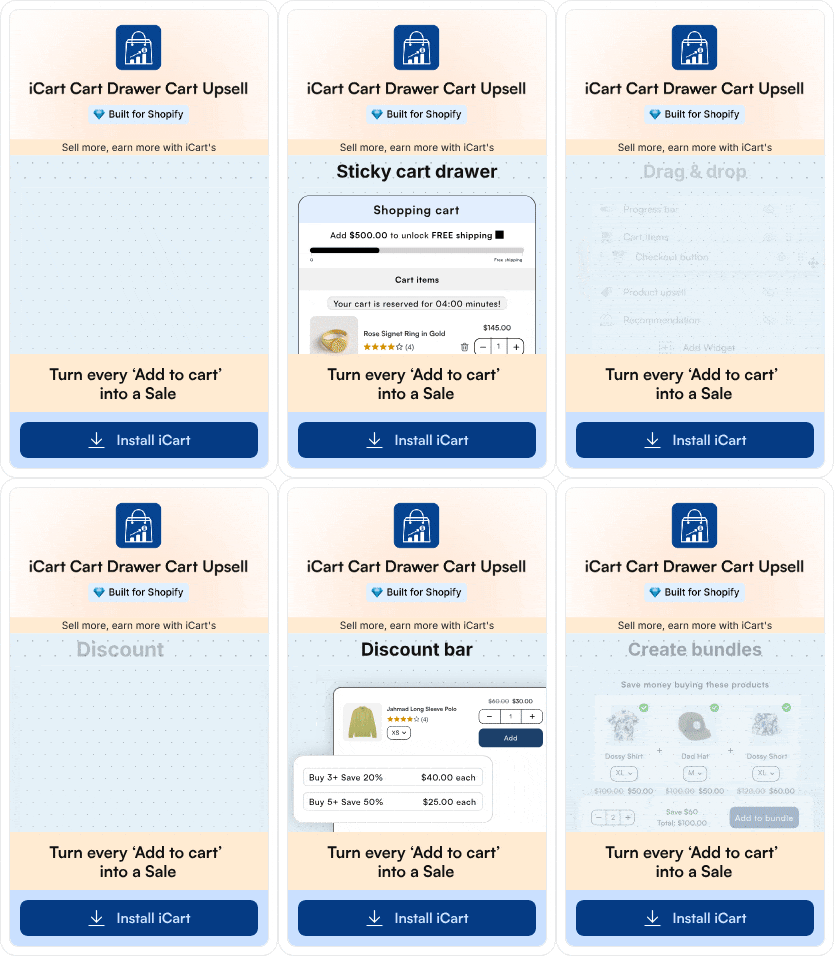
So to avoid this, you can offer special discounts, upsell and cross-sell items, product recommendations & bundles, etc.
To do this you don't need to worry of applying as there is an amazing all-in-one Shopify app for you called iCart Cart Drawer Cart Upsell for you.
Wrong dropshipping niche

One of the main reasons for the failure of your Shopify store. People just don’t have the patience to understand their niche before they start opening stores. You should invest your time in niche research if you want to achieve your long-term goals.
I will tell you the main mistake that people make every time. They look for the trending niche and jump into it. I think this is the main reason why most of the Shopify store fails. Those niches might not have a large audience.
Remember, you are forgetting about your groundwork that will lead to success. Spend more time identifying your niche.
No one can help you in identifying your niche; instead, you should find it by yourself. A few of the niches are gardening, sports, fashion, etc.
Try to find a niche in which you can move forward, i.e. which has less competition and a large audience. Analyse your Shopify data for better research.
Choice of bad products
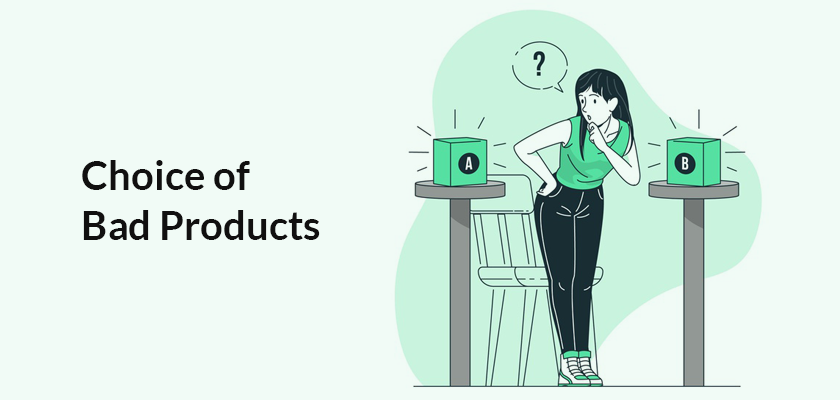
Although you may have chosen the right niche until and unless there is no success or growth in your business if you don’t choose the right products on your store that people want.
If you want your store to be unique then sell products something unique which leads to a wow factor. This wow-factor contains few things like security, love, etc.
You need to be customer-centric for some time to understand their need for products that they will be in search of and what they like to buys. An e-commerce quiz can help in gathering information about products your customers want and need.
Product margin is going down
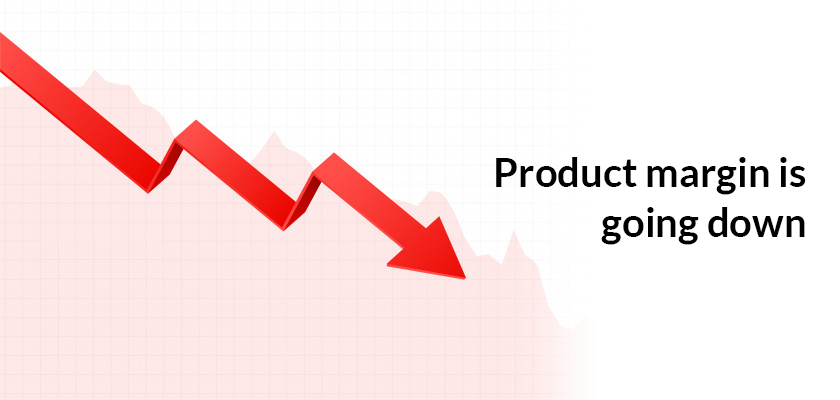
Lots of people afraid to keep their margins high because they think that who would buy this for high margins. Remember that low margins lead you to failure, not a success.
But in a case like if you are selling the product with a low margin and there are no ways to improve it then change the product instead of thinking why Shopify is bad.
To quickly know which product margin is going down, try Shopify analytics tools like TrueProfit. This would be simple for you.
Lack of mobile application for users
Almost most of the eCommerce sales are gained completely on mobile devices. As mobile users are increasing nowadays, you should offer your customers Shopify Mobile Apps so that they can easily buy their favourite products from their mobile phones.
Low-quality shop
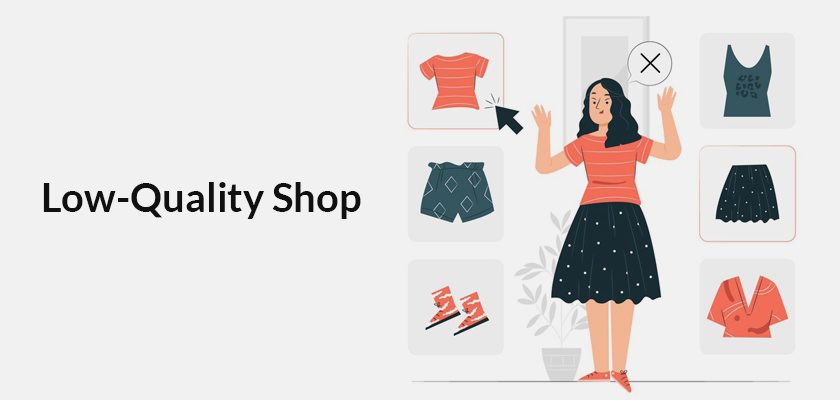
Just imagine that you are searching for cool toys or pets and if you reach that site but notice that the spelling is incorrect. Apart from that, the images are of low quality and fonts vary on each page. Obviously, you will think that it is an impostor store or it’s a fraud store.
Remember that this type of issue can lead to a low trust of your valuable customers. This leads to the failure of your newly started store.
Customers are not returning back
Customers don’t come is another reason why Shopify stores fail. If they had a great experience they will surely come back to you and may not if the experience was negative.
To improve customer return rate and to win their hearts provide services that satisfy their requirements.
And in any case, they may contact you for any support then try to reply to them at the earliest. Don’t wait for 2-3 days to reply to them.
Problem in shipping

The shipping problem is the second biggest reason for store failure. It often happens with your suppliers that sometimes they are so overloaded that orders get skipped or missed.
So personally, I would recommend you to sell products that are more demand in the market and those products which customers can't get from the local store.
Poor customer service
The most important thing is attracting new customers to our store and to offer them great services with the highest satisfaction. Create an FAQ page, so that they can get their queries cleared.
Make it easy for customers to contact you. Give them 24/7 customer support.
Make sure that every time they come to you with questions, reply to them at the earliest and be polite to them. By doing these things you can avoid the problem of poor customer service.
Poor optimization of your Shopify theme
Most of the Shopify stores fail due to a lack of conversion tactics and not gaining more sales. From my personal experience, I would suggest the Booster Theme as it will help you to improve conversions.
This theme is very simple and elegant which is designed to be highly optimized for improving sales. Why don’t you go for Booster Theme instead of using a free theme?
Lack of marketing
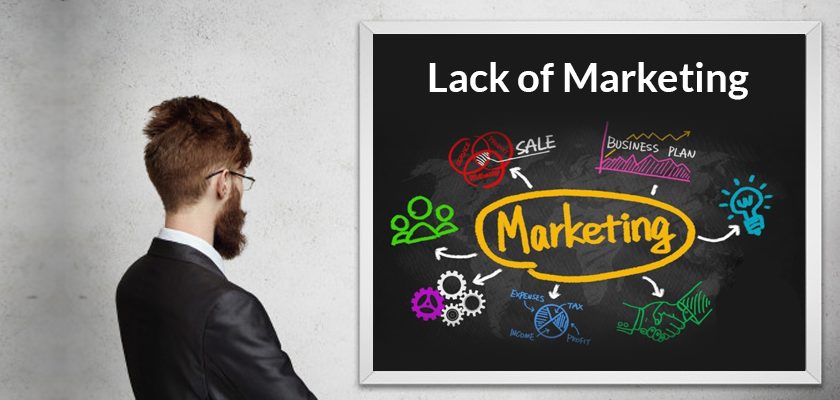
No other way is better than promoting your store by social media marketing. I have seen a lot of people giving youtube ads, Facebook ads, posting stories on Instagram, etc.
All that they are doing in this is promoting their brand and attracting new visitors to their store. All you have to do is to get your visitors converted into valuable customers.
Why Shopify is bad? It’s not but...
No ecommerce platform is bad until you sign up to something that's not a part of your business goal.
If you read Shopify reviews carefully, you will get one thing clear: Stores fail when fundamentals slip.
Understand the above-mentioned steps and avoid doing all these pieces of stuff for the success of your store. Start selling unique products that are in demand and be a part of the history of success in the ecommerce world.
FAQs
1. Is Shopify bad?
No, Shopify is not a bad ecommerce platform. It is a reliable hosted solution with built-in tools for storefront design, payments, inventory, order management and multichannel selling. But it may not suit businesses that need complete control over their hosting or backend.
2. How does Shopify work?
Shopify lets you create an online store, add products, choose a theme, connect payment methods and configure shipping without managing your own hosting. When customers place orders, you can process payments, update inventory, issue refunds and manage fulfilment through the Shopify admin.
3. Why is Shopify bad?
Some merchants dislike Shopify because subscription, premium theme and app costs can add up as their store becomes more complex. Shopify will also charge third-party transaction fees when an external payment provider is used, while advanced checkout customization can require apps, development work or Shopify Plus.
4. What percent of Shopify stores fail?
US government data shows one-year survival rates for new business establishments have ranged from 71.4% to 84.6%. There’s no official Shopify estimate, but basic industry standards have a 90 to 95% failure rate.
5. Is Shopify worth it?
Shopify is worth it for merchants who want an easy-to-manage store, secure hosting, integrated payments and access to more than 16,000 apps. The Basic plan currently costs $39 per month or $29 per month when billed annually in the US. Merchants should also budget for payment processing, themes and any paid apps they need.
6. Is Shopify bad for SEO?
No, Shopify is not bad for SEO because it automatically provides canonical tags, SSL security, sitemap.xml, robots.txt and structured data support. However, rankings still depend on your content, site speed, internal linking and technical setup. Poorly coded themes or too many apps can reduce performance.

About the author
Sajini Annie John
Meet Sajini, a seasoned technical content writer with a passion for e-commerce and expertise in Shopify. She is committed to helping online businesses to thrive through the power of well-crafted content.