



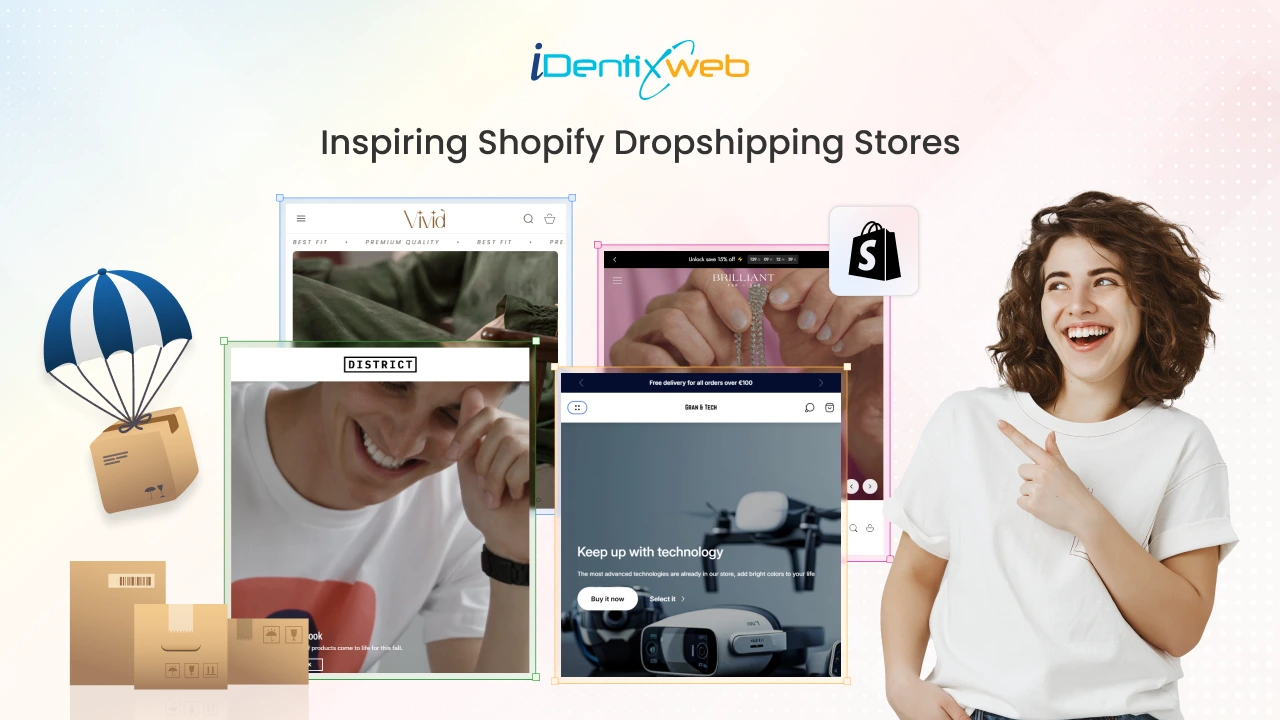
Shopify is a powerhouse e-commerce platform, and when combined with dropshipping, it becomes a golden opportunity for entrepreneurs worldwide. Dropshipping allows store owners to sell products without holding inventory or managing fulfillment, making it a popular business model for new and experienced entrepreneurs alike.
This article explores the best Shopify dropshipping website examples, shares dropshipping success stories, and provides insights into what makes a store successful.
Whether you're just starting or looking to refine your existing business, these examples and tips will guide you in the right direction.
Let's start with a few tips:
Tips for building a successful Shopify dropshipping store
1. Find reliable suppliers
Finding reliable suppliers is crucial to running a successful Shopify dropshipping store. The best stores source products from reputable suppliers who can provide quality goods and timely shipping.
2. Choose the right products
Your product selection can make or break your store. Successful Shopify stores that dropship choose high-demand products that offer good margins. Consider seasonal trends, niche markets, and customer preferences when selecting products.
3. Optimize your Shopify store
Your Shopify store design should be user-friendly and optimized for conversions. A clean, easy-to-navigate site with clear CTAs (calls to action) can significantly improve your store’s performance.
4. Market your store
Marketing is the backbone of any dropshipping business. Use social media, email marketing, and paid ads to reach your target audience. Influencer partnerships and content marketing can also play a huge role in driving traffic and conversions.
Let's look at some top Shopify dropshipping store examples:
Top Shopify dropshipping store examples
Many successful Shopify dropshipping stores have built their empires using creative marketing strategies, excellent product curation, and seamless customer service.
1. Notebook Therapy
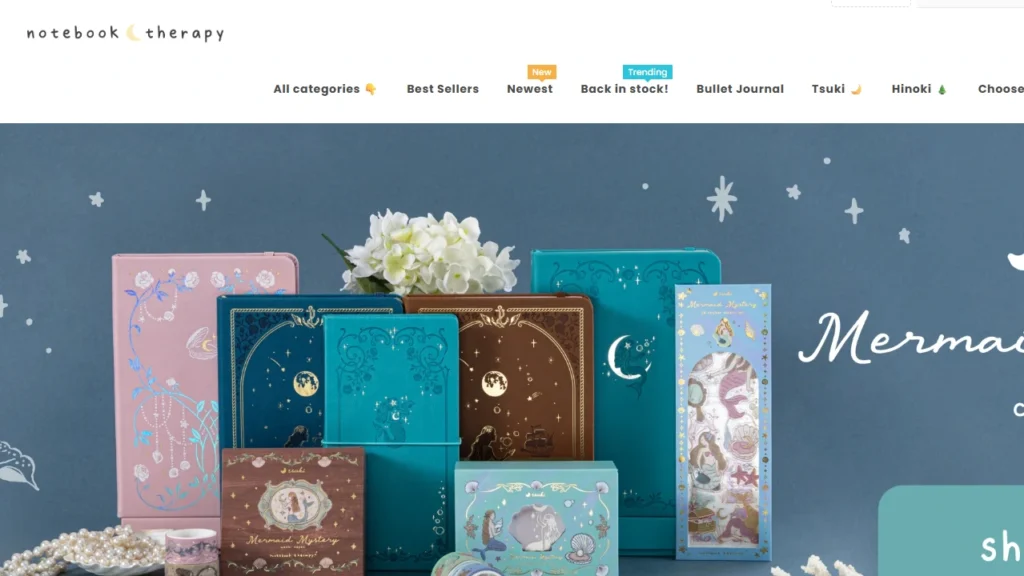
Notebook Therapy sells Japanese and Korean-inspired stationery: bullet journals, pens, pencil cases, tote bags, and phone cases, shipped free worldwide. It is the clearest proof that a dropshipping store does not have to look like a dropshipping store.
The site is calm, pastel, and beautifully consistent, and its own "Tsuki" branded lines make it feel like a real lifestyle label rather than a reseller.
Why it works: A tight aesthetic, over a million Instagram followers, and an active blog full of journaling inspiration. The lesson is that a low-cost, commodity product like stationery can become a premium brand through nothing more than consistent visual identity and community.
2. Meowingtons
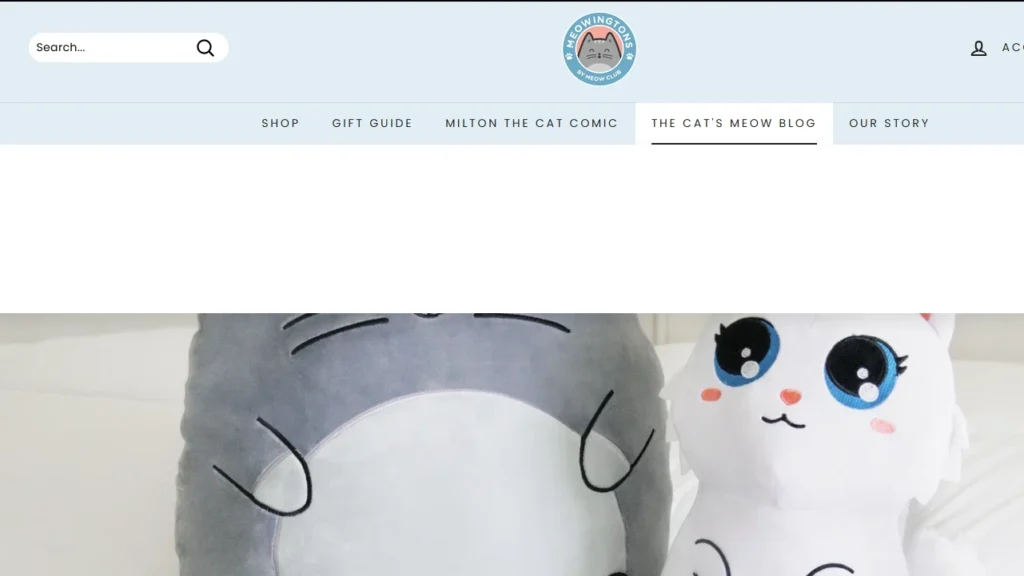
Meowingtons is cat-lover heaven, selling cat-themed apparel, accessories, home decor, and pet furniture.
What sets it apart is the storytelling. It runs a brand mascot, Milton the Cat, with a webcomic that captures email subscribers and fuels shareable content, and it ties purchases to cat rescue with a "You shop. We give. They purr." angle.
Why it works: a laser-focused emotional niche plus heavy content and user-generated content, so it never reads like a generic catalog. The lesson is that when you understand one audience deeply, community does your marketing for you.
3. Pet Clever
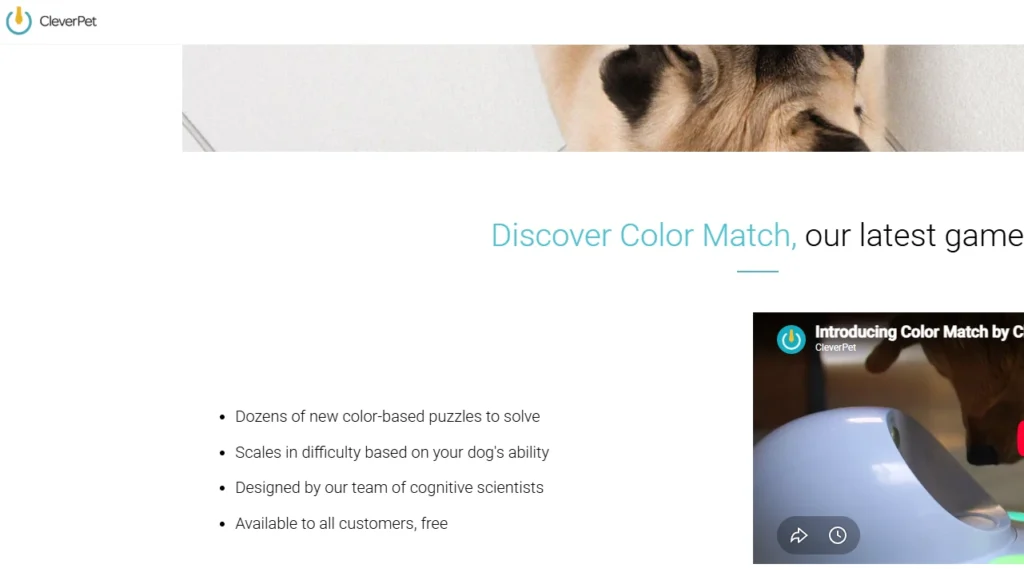
Pet Clever focuses on dog owners and problem-solving pet products, and it is a masterclass in conversion-rate optimization.
Real-time purchase notifications pop up as you browse, and clicking one unlocks a discount. A banner pushes storewide savings and free-shipping thresholds, product pages carry payment logos and tabbed guarantee and shipping details, and the cart page leans on trust badges plus best-seller and related-item upsells.
Why it works: it removes hesitation at every step of the funnel. The lesson is that clean, aggressive CRO on your product and cart pages can lift revenue without a single extra visitor.
4. Warmly
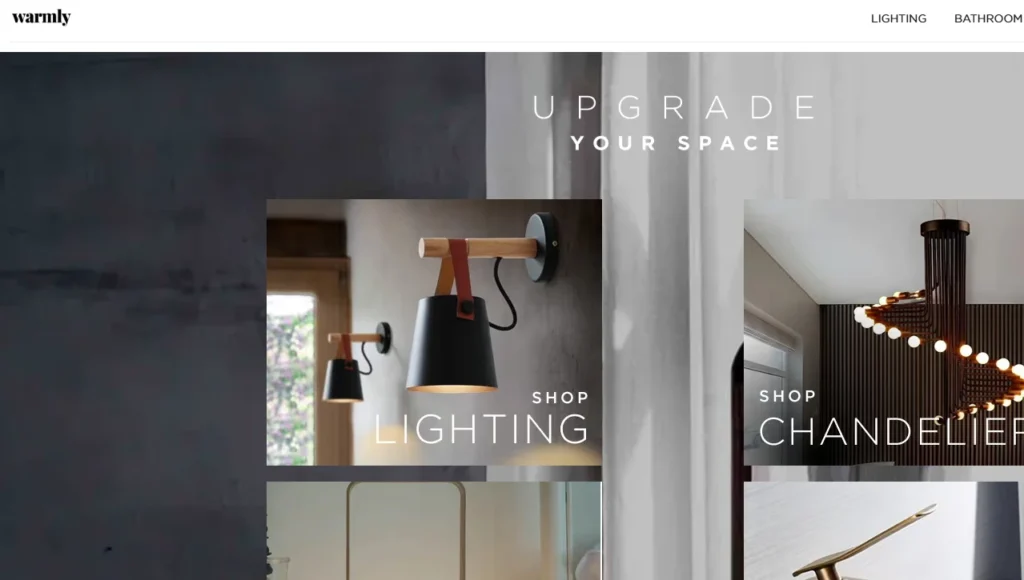
Warmly sells modern, minimalist home decor and lighting with premium positioning, and Pinterest drives a huge share of its traffic.
It is one of the most frequently cited home decor dropshipping stores for good reason: the storefront looks like a high-end interior design brand, which lets mid-priced items feel luxurious.
Here is the useful nuance. Warmly started on the classic overseas-warehouse dropshipping model and has since moved toward a more branded, hybrid inventory setup as it grew.
The lesson runs two ways: high-ticket dropshipping works when you sell a whole room mood rather than a single lamp, and a dropshipping store can absolutely graduate into a genuine brand.
5. Sage & Sill
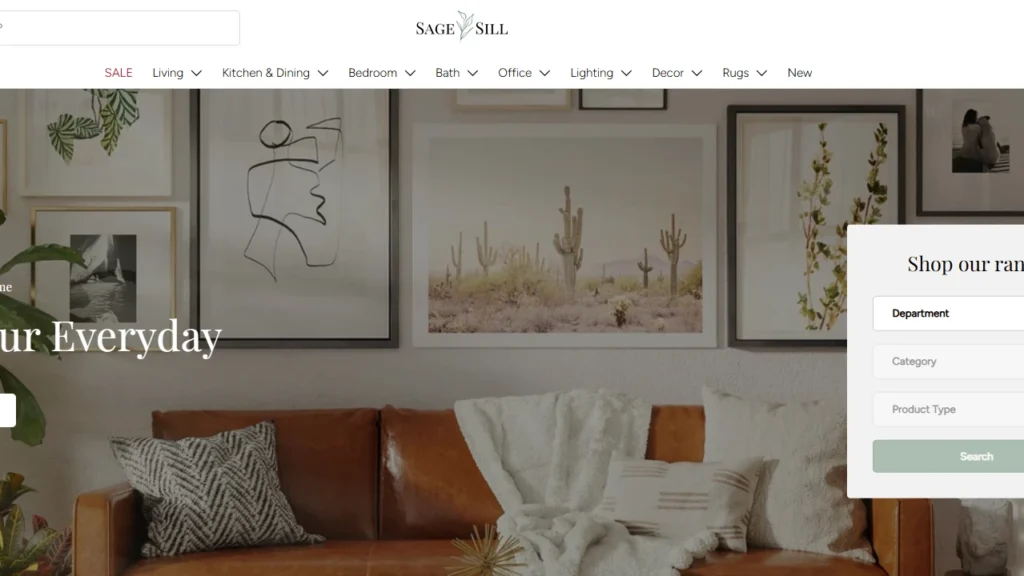
Sage & Sill is a plant and botanical home decor store selling planters, propagation stations, and greenery-themed accessories, aimed at plant parents and design lovers. Pinterest is again the biggest traffic driver, and the store borrows credibility with a "Featured in" row of press logos from outlets like TIME and House Beautiful.
Why it works: strong social proof, customer photo reviews, "Frequently bought together" suggestions, and a green-shipping-protection upsell all reduce the hesitation of buying fragile goods online. The lesson is that press logos and real customer photos build the trust a visual niche needs.
6. Burga
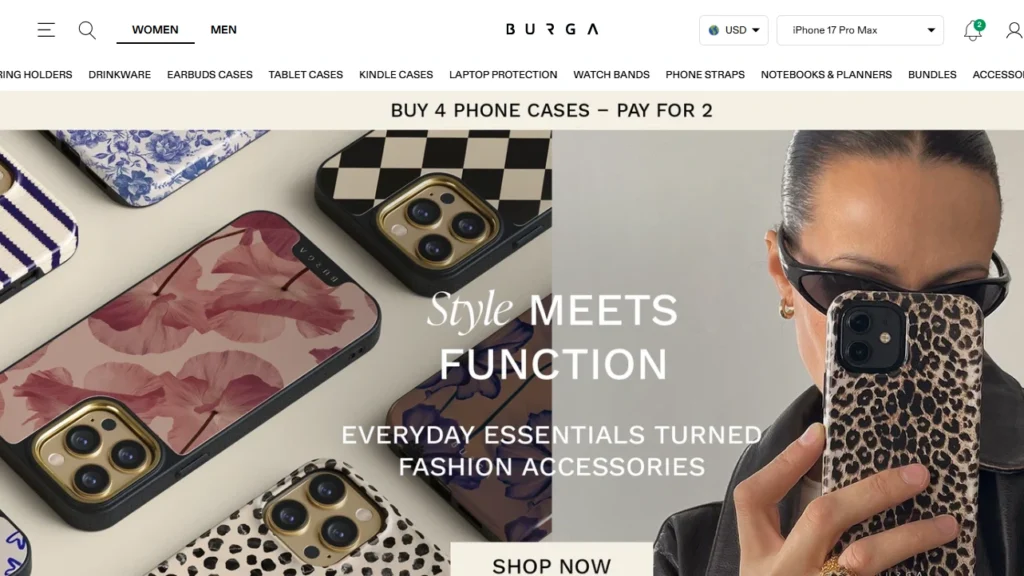
Burga sells phone cases and tech accessories (screen protectors, laptop and iPad cases, watch bands, earbud cases) and positions them as fashion rather than protection.
With hundreds of designs, you browse by "vibe" instead of by phone model, matching-accessory upsells appear at add-to-cart, and an influencer gallery shows the products styled in real life.
Why it works: a phone case rarely breaks, but style always changes, which drives repeat purchases as customers buy new designs. The lesson is that turning a commodity into a fashion category is how you win a crowded niche. Brand beats product.
7. Pillow Slides

Pillow Slides sells cushioned "cloud" recovery slides and positions them around comfort and foot-pain relief. The store exploded through short-form video on TikTok. On-site, it uses a priority-processing shipping upsell, an exit-intent popup that asks whether you are shopping for foot pain, plantar fasciitis, or everyday comfort before revealing a discount, plus Afterpay and "buy two" bundle offers.
Why it works: it took a generic viral product and gave it a specific, problem-solving angle. The lesson is that a hero product plus a strong short-form video engine can scale fast, as long as you keep the positioning sharp.
8. Aesthentials
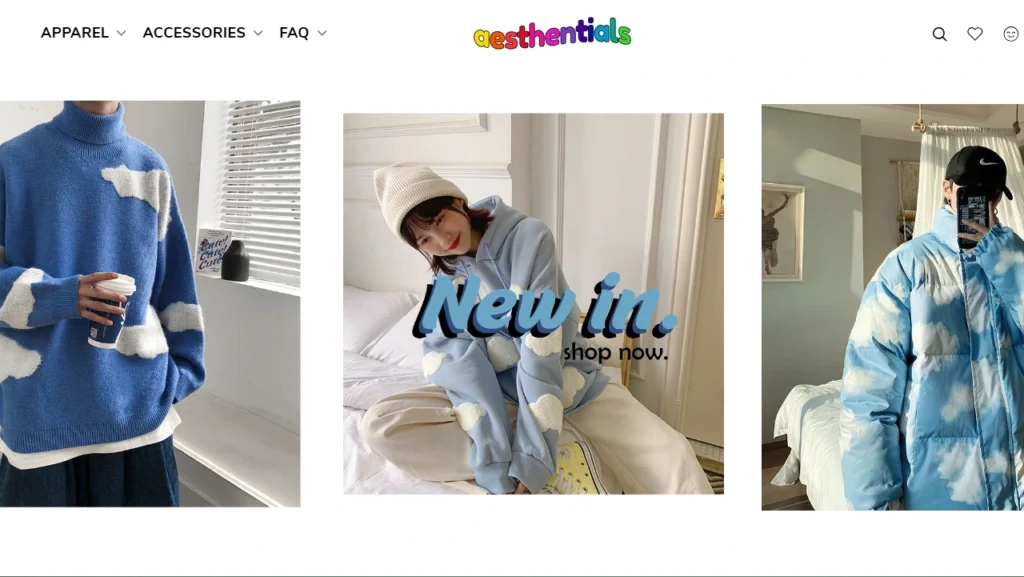
Aesthentials sells Gen-Z "aesthetic" apparel and accessories rooted in Instagram and Tumblr youth culture, with more than a thousand products, a location and currency selector, and giveaway popups. Its traffic has long been driven by YouTube influencers it has dressed since 2017, and it has thousands of verified reviews plus an active community.
Why it works: the store is built around identity, so shoppers buy to express themselves. The honest lesson is that even a strong niche brand has to keep refreshing its catalog and creative to hold its audience, so treat it as a lesson in community-building rather than a set-and-forget model.
9. TumblerBlend
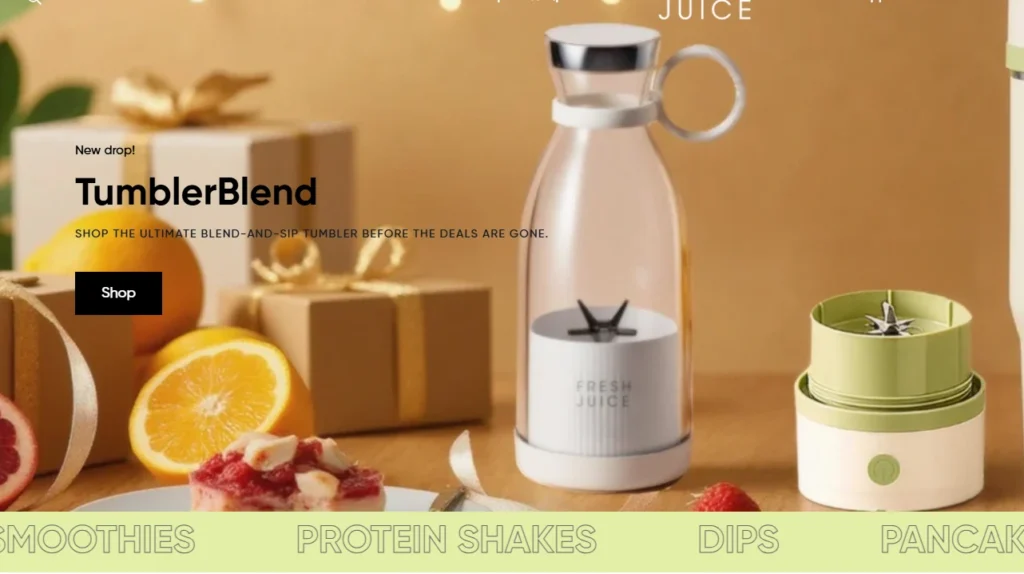
TumblerBlend is a classic one-product dropshipping store built around a portable USB blender. Everything points at a single hero product: a focused landing page, benefit-led copy, demonstration videos, and TikTok-driven traffic.
Why it works: the product has an obvious "wow" moment and a clear everyday use case, which is exactly what the one-product model needs. The lesson is that a single strong product can carry a store, provided you keep testing creatives and offers so it does not fade.
10. The Korean Fashion
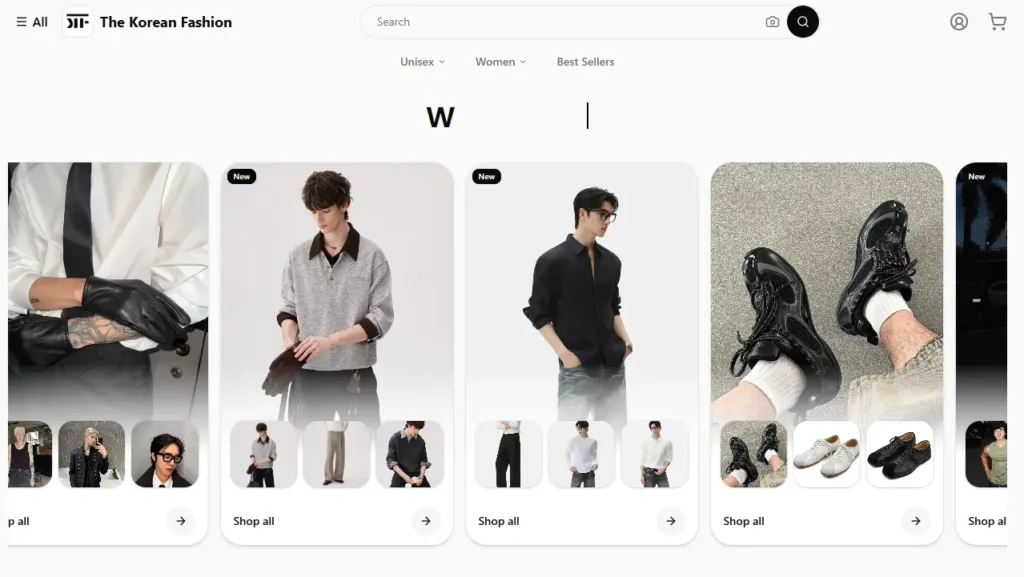
The Korean Fashion brings Korean fashion to global shoppers and delivers a premium retail experience despite running on a dropshipping model.
It has a rewards program, wishlists, detailed order tracking, and a currency selector supporting more than 20 options, with lifestyle photography featuring Korean models and influencers.
Why it works: it directly tackles the friction of cross-border shopping with detailed sizing, in-page customer questions, and a "$7 off" lead-capture tab. The lesson is that when you remove the friction of currency, sizing, and tracking, a dropshipping store stops feeling like one.
11. Subtle Asian Treats

I selected Subtle Asian Treats because it shows how a dropshipping store can move beyond selling random trending products and build around a clear niche.
The store focuses heavily on kawaii products and plush toys, especially its bubble tea-themed products. Shopify has also featured co-founder Tze Hing Chan as a dropshipping success story, reporting that he made $19,000 in profit in two months after finding traction with bubble tea plush toys.
What makes the store worth studying is how much attention it gives to branding and the shopping experience. Instead of looking like a generic supplier catalogue, it uses its own product presentation, niche-focused messaging, clear product descriptions, and visible shipping information. For anyone starting a Shopify dropshipping business, Subtle Asian Treats is a good example of how choosing the right niche and building a recognizable brand around it can make the store feel far more trustworthy.
Dropshipping Success Stories: Turning Ideas into Profitable Businesses
1. The Story of Oberlo
Oberlo is one of the best success stories of dropshipping on Shopify. The platform enables Shopify store owners to easily find products to sell, handle the logistics, and improve sales. As one of Shopify's most successful apps, Oberlo helped countless entrepreneurs build their stores, making dropshipping more accessible.
Key to Success: Simplified product sourcing and fulfillment process, ease of use, and integration with Shopify.
2. Beardbrand
Beardbrand started as a Shopify dropshipping store selling beard care products. Initially, the store faced challenges in differentiating itself from competitors, but by focusing on a niche audience and creating high-quality content, Beardbrand saw massive success.
Key to Success: Targeting a specific market, high-quality content marketing, and a strong focus on customer satisfaction.
Final Thoughts: Shopify Dropshipping Store Examples That Achieved Success
In this article, we've shared 10+ successful Shopify dropshipping store examples across various niches. These stores offer great inspiration for starting your own Shopify dropshipping business!
Ready to launch your store? Start now and turn your dream into reality!
These examples show how finding the right niche and leveraging Shopify’s powerful platform can lead to success. Whether you're into eco-friendly products, fashion, or wellness, use these strategies to inspire your own Shopify dropshipping store!
FAQs
1. What is a Shopify dropshipping store?
A Shopify dropshipping store is an online store built on Shopify that sells products without keeping any inventory. When a customer places an order, a third-party supplier ships the item to them, so you never buy stock upfront or handle fulfillment yourself. Most owners connect a sourcing app like DSers, Zendrop, or CJdropshipping to import products and automate order fulfillment.
2. How to start a successful Shopify dropshipping store?
Start by picking a focused niche and validating a product that solves a clear problem. Open a Shopify account. Shopify gives you a 3-day free trial with no credit card. This is followed by $1 per month for your first three months. This is enough time to build and soft-launch before you spend real money. Connect a supplier app, build conversion-focused product pages with reviews and video, and put your budget behind one traffic channel.
3. How to find Shopify dropshipping stores?
The fastest way is a Shopify spy extension like Koala Inspector, which reveal a store's theme, installed apps, best-selling products. You can also spot dropshipping stores by their tells: generic product photos that trace back to sites like AliExpress, long shipping windows in the policy pages, and heavy ad activity you can check in the Meta Ad Library.

About the author
Bhavesha Ghatode
Explore Content with Bhavesha, a passionate and dedicated technical content writer with a keen understanding of e-commerce trends. She is committed to sharing valuable insights, practical assets, and the latest trends that can help businesses thrive in a competitive environment.