



Dropshipping for beginners can look simple from the outside, but I have seen many new store owners struggle because they start without a proper plan.
The model is easy to understand: you sell products online, your supplier handles inventory and shipping, and you focus on building the store, marketing, and customer experience.
If I were starting a dropshipping business today, I would first choose a focused niche, check product demand, verify suppliers, build a trustworthy store, and only then start marketing.
In this guide, I’ll walk you through how dropshipping works, how to choose products, how to find suppliers, how to set up your Shopify store, and what mistakes I would avoid as a beginner.
What is Dropshipping?
Dropshipping is a business in which the store owner doesn't have to keep the stock of products. Instead, they need to buy inventory from a wholesaler based on customer order requirements.
The main difference between dropshipping and the standard retail model is that the seller does not own stock. Instead, the seller acquires inventory from a third party, typically a wholesaler or manufacturer, as needed to fulfill orders.
How Does Dropshipping Work?
Dropshipping works in a simple order flow:
- A customer visits your online store and places an order.
- You receive payment from the customer.
- The order details go to your dropshipping supplier.
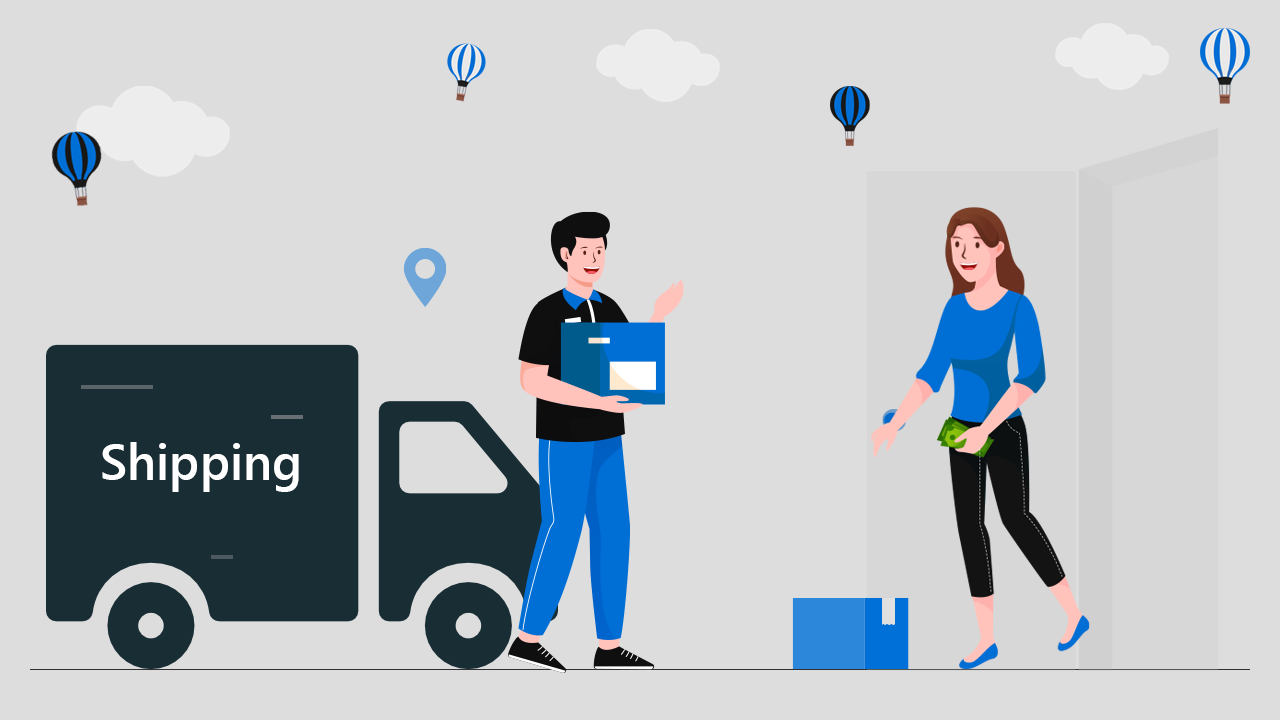
- The supplier packs and ships the product directly to the customer.
- You keep the profit after subtracting product cost, shipping cost, transaction fees, app costs, and marketing expenses.
For beginners, the main benefit is that you do not need to buy inventory upfront. The main challenge is that you must depend on suppliers for product quality, shipping speed, and order fulfillment.
Is Dropshipping Still Profitable in 2026?
Yes, dropshipping can still be profitable in 2026, but only when you treat it like a real ecommerce business. Beginners usually fail when they pick random products, copy supplier descriptions, ignore shipping times, or run ads before their store is ready.
A profitable dropshipping store needs:
- A focused niche
- Reliable suppliers
- Clear product benefits
- Realistic shipping timelines
- Strong product pages
- Good customer support
- A marketing plan beyond just paid ads
The goal is not to sell everything to everyone. The goal is to find a product people already want, position it better than competitors, and create a buying experience customers can trust.
Here's a detailed breakdown of dropshipping success rate in 2026.
How Do I Start Dropshipping for Beginners? (My 8-step Process)
Starting a dropshipping business isn’t difficult. But there are several steps you’ll need to follow to get started.
1) Find a product or niche that interests you
A niche is the specific category you focus on, like fitness gear, pet products, skincare tools, or home office accessories.
What to do:
- Choose a niche you can create content for consistently (videos, tips, product demos).
- Aim for products that solve a clear problem or feel like a “nice upgrade.”
- Use Google Trends and TikTok/Instagram search to see what people are already buying and talking about.
Here's a complete breakdown of best dropshipping products for beginners in 2026
2) Choose products that are actually “dropship-friendly”
Not every product works well for dropshipping. Some items break easily, get returned often, or take too long to ship.
Your early goal is to pick products that are easy to deliver and easy to explain.
What to look for:
- Lightweight and not fragile
- Clear benefits you can show in a short video.
- Doesn’t require complex sizing.
- Looks better than “cheap marketplace” listings.
Beginner tip: Start with 5–15 products, not 200. A smaller store looks more focused and feels more trustworthy.
3) Research competitors before choosing products
Before adding products to your store, study other stores in your niche. This helps you understand pricing, product presentation, offers, shipping claims, and marketing angles.
Check:
- What products they promote most
- How they write product descriptions
- What offers they use, like free shipping or bundles
- Their customer reviews and complaints
- Their delivery and return policies
- Their social media ads and organic content
This step helps beginners avoid selling products blindly.
4) Identify potential suppliers
Suppliers handle packaging and shipping, so you need partners who ship fast, communicate well, and keep product quality consistent.
You can find suppliers on AliExpress, Spocket, or use Printful if you want print-on-demand products.
What to check before selling a product:
- Shipping time to your main target country.
- Supplier ratings and recent reviews (not just overall rating).
- Return/refund policy and how they handle damaged items.
- Product photos and variants (are they accurate and consistent?)
For exmaple, if you are planning to start in the fashion niche, dropshipping clothing suppliers matters because sizing, quality, and delivery speed directly affect returns.
5) Set up your store
You can use Shopify or Wix, but Shopify is more common for dropshipping and has more apps and integrations. Your store’s job is simple: make shoppers feel safe buying from you.
You do not need to read any Shopify dropshipping guide. Our tutorial covers all the basics.
Must-have pages and basics:
- A clean homepage with a clear niche message.
- Strong product pages (good images, clear benefits, shipping details).
- Policy pages: Shipping, Returns, Privacy, Terms.
- About + Contact page (email and a simple contact form).
Product descriptions should focus on:
- What problem it solves
- Who it’s for
- What’s included
- Delivery timeline and returns
6) Handle finances the right way
Even if you start small, treat it like a real business. Decide your basics early so payments and taxes don’t become a mess.
What to set up:
- A payment gateway (like Shopify Payments or PayPal where available).
- A separate bank account for business income/expenses if possible.
- Pricing rules: product cost + shipping + transaction fees + profit margin.
If you are in Shopify, I would not overcomplicate store design. Start with a clean, fast, and conversion-friendly theme. Here are some best Shopify themes for dropshipping you can consider.
I have also created a complete breakdown of the best dropshipping apps for Shopify merchants in 2026.
7) Market it using short-form content
For dropshipping beginners, TikTok, Instagram Reels, and YouTube Shorts are great because you can get views without having a big budget. Your goal is to create content that looks like a real person showing a real product.
A strong Social Media Strategy for your e-commerce website will drive traffic, engage customers, and boost sales for your store.
Content ideas that work well:
- Problem → product solution demo
- “3 reasons this helps with ___”
- Before/after or reaction-style videos
- Unboxing and “how it works” clips
- Comparison videos (old way vs better way)
8) Launch, test, and improve
A lot of people delay launching because they want everything perfect. In dropshipping, you learn by testing. Launch with a clean store, a few strong products, and a content plan, then use data to decide what to improve.
What to track:
- Add-to-cart rate
- Checkout conversion
- Refund/return reasons
- Which videos bring traffic that actually buys?
A simple testing approach:
- Test 3–5 products first.
- Make 10–20 short videos per product over time (different hooks, angles, demos).
- Keep what works, remove what doesn’t, and repeat.
How Much Does It Cost to Start Dropshipping?
You can start dropshipping with a lean budget, but it is not completely free if you want to build a serious store.
Typical dropshipping for beginner costs include:
| Cost Area | What It Covers |
|---|---|
| Domain | Your store domain name |
| Shopify plan or trial | Store setup and ecommerce features |
| Product samples | Testing product quality before selling |
| Apps/tools | Reviews, email, upsell, SEO, tracking, and product import tools |
| Branding | Logo, product images, banners, and basic design |
| Marketing | Organic content, influencer testing, or paid ads |
| Transaction fees | Payment gateway and platform-related charges |
A beginner should start small, test a few products, and avoid spending heavily on ads until the store, product page, and supplier process are ready.
Tips for Success in Dropshipping for Beginners
Order samples for products
Order at least one sample before you sell, so you can check quality, packaging, and how the product actually looks in real life. Use what you learn to fix your product page expectations and reduce refunds.
Understand shipping
Pick suppliers with clear delivery timelines and tracking, especially for your main target country. If shipping feels slow or uncertain, customers will blame your store, not the supplier.
Focus on customer service
Set a simple process for returns, refunds, and damaged items before you start running marketing. Reply fast, stay consistent with your policy, and keep templates ready for common complaints.
Prioritize speed
Don’t spend weeks researching one product. Test faster with a few products and different content angles, then double down on what gets clicks and sales.
Common Dropshipping Mistakes Beginners Should Avoid
Many beginners fail because they rush the setup and start marketing before the store is ready.
Avoid these mistakes:
- Selling too many random products
- Choosing products only because they are trending
- Not ordering product samples
- Using supplier descriptions without rewriting them
- Hiding shipping timelines
- Running ads before fixing product pages
- Ignoring customer support
- Not tracking profit margins
- Depending only on one supplier
- Not optimizing the cart and checkout experience
How to Find a Good Dropshipping Supplier?
A dropshipping supplier is key to success in this business. Here's how you find the best ones.
- Search on internet: Utilize search engines like Google to find potential dropshipping suppliers.
- Search B2B marketplaces: Explore business-to-business (B2B) marketplaces like Alibaba, Global Sources, or Wholesale Central. These platforms connect retailers with manufacturers and wholesalers offering dropshipping services.
For example, Alibaba's dropshipping section allows you to filter suppliers based on their dropshipping capabilities.
- Ask around in Facebook groups: Engage with niche-specific Facebook groups related to your industry or product category. Members often share their experiences and recommendations for reliable dropshipping suppliers.
For instance, if you're interested in pet products, join pet owner communities where members may recommend trustworthy pet product suppliers who offer dropshipping services.
- Attend trade shows: Attend industry trade shows and exhibitions to network with potential dropshipping suppliers. These events provide opportunities to meet suppliers in person, discuss business partnerships, and negotiate terms.
Consider using a free digital business card maker to create professional business cards for networking at these events.
For example, attending a fashion trade show can allow you to connect with clothing manufacturers willing to dropship their products.
- Check out directories of drop shippers: Explore online directories specifically curated for dropshipping suppliers, such as SaleHoo or Worldwide Brands. These directories provide lists of pre-vetted suppliers offering dropshipping services across various product categories.
For example, SaleHoo's directory includes suppliers verified for reliability and product quality, making it easier to find suitable partners for dropshipping.
Pros of Dropshipping
Easy to Start
Because of low overhead, all you need is a website and a payment processor, and you can start selling. You don’t need to worry about many things like managing warehouse, package, and shipping, inventory tracking, inbound shipments, managing stock level, etc.
Low Barrier to Entry
With dropshipping, you don't have to worry about warehouse management or payments. You also don’t have to purchase inventory in bulk, which takes up valuable cash and can leave you with unsold stock.
Low Overhead
You don’t have to purchase the inventory. This makes it very easy for a small business to start selling products online without having to invest thousands in inventory upfront.
Flexibility
Dropshipping gives you the ability to test new product ideas without making a large investment upfront or adding additional workload. You can also quickly adapt to changes in customer demand by adding or removing items from your product line as needed.
Scalability
Dropshipping allows you to scale your business almost without limit since there is no direct relation between inventory and sales volume. This makes it easier to forecast sales and profits since you will know all of your fixed costs up front.
Cons of Dropshipping
Low Profit Margins
Due to the numerous middlemen involved in the dropshipping process, product costs tend to be higher than if you were to order wholesale from the manufacturer or distributor. You must account for your costs when setting retail prices, which can negatively affect your profit margins.
Competition
You may have to compete with other sellers. Because dropshipping is so easy to start, there are a lot of people doing it. If there are not, in some cases that might not get any issues. There are likely many people dropshipping the same products as you. As a result, pricing may be competitive, and you may have to fight for your share of customers.
No Control Over Shipping
The biggest problem with dropshipping is that the supplier is doing the fulfillment for you, and that can lead to major problems. Since you don’t have direct communication with the supplier you won’t be able to gauge shipping times and quality. This can cause customer service problems if items arrive late or in poor condition.
Less Control Over the Customer Experience
When you don’t fulfill orders yourself, you lose some control over the customer experience. It could be packing materials and shipping speed. The best way to deal with this is by choosing suppliers that offer fast delivery times and high-quality products and packaging so that, even if something goes wrong, customers won’t blame you for it.
There's No Better Time Than Now for Dropshipping
I hope this dropshipping guide has given you a good overview of the potential benefits and challenges of this business, so that you can then decide whether or not you’ll want to pursue this business model.
If so, I wish you good luck! To anyone just starting out, always remember this: if you can stay motivated, supported, and focused on doing what it takes to succeed, then you will pull through to become a successful entrepreneur one day.
Dropshipping for Beginners FAQs
1. Can I make money from dropshipping?
Yes, you can make money from dropshipping if you pick products people actually want, price them with healthy margins, and market them consistently. Most profit comes from getting your offer, product page, and content right.
2. Can I dropship as a beginner?
Yes, dropshipping is beginner-friendly because you don’t need to hold inventory upfront. Start with a focused niche, a small product catalog, and simple marketing (short-form videos).
3. How much should you invest in dropshipping?
You can start lean, but you still need a budget for your store, apps/tools, samples, and some marketing tests. Many beginners start with a few hundred dollars to cover setup plus testing, then reinvest profits as they find winning products.
4. Does dropshippers fail?
A lot of dropshippers fail, mainly because they sell low-quality products, ignore shipping expectations, or run ads before their store is ready.
5. How to find dropshipping suppliers?
Use platforms like AliExpress, Spocket, and Printful (for print-on-demand), then vet suppliers based on reviews, shipping times to your target country, and communication.

About the author
Sajini Annie John
Meet Sajini, a seasoned technical content writer with a passion for e-commerce and expertise in Shopify. She is committed to helping online businesses to thrive through the power of well-crafted content.