

Shopify Themes
Gather knowledge about the latest insights, updates, tips, and tricks in the Ecommerce industry.
5 Min • 29 April 2026
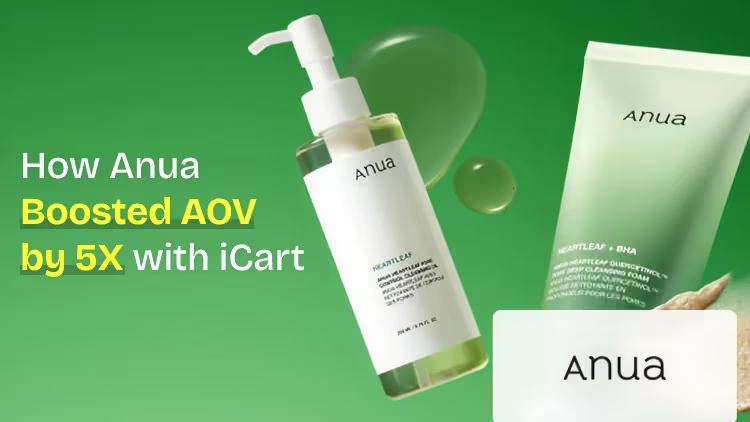
How Anua Unlocked 5X AOV Growth with iCart’s Smart Cart Features
delivery customization Challenges Solutions drive results Scale business delivery customization Challenges Solutions drive results Scale business delivery customization Challenges Solutions drive results Scale business delivery customization Challenges Solutions drive results Scale business Anua is a globally recognized Korean skincare brand known for its minimalist philosophy and focus on gentle yet effective formulations. Built on the idea of simplifying skincare routines, Anua develops products that deliver visible results while avoiding harsh or irritating components, making them suitable for sensitive skin types. Initially using a traditional full cart experience, Anua transitioned to iCart’s side cart solution in August 2025, to create a more seamless and engaging shopping journey. This shift allowed customers to easily explore complementary skincare products without disrupting their browsing flow, making it more intuitive to discover items that fit into a complete routine. By surfacing relevant recommendations directly within the cart, the brand enhanced product visibility across its range. Challenges Before implementing iCart’s side cart solution, Anua faced limitations with their existing full cart experience, which created friction in the customer journey. The traditional cart setup redirected users away from product pages, interrupting their browsing flow and reducing opportunities to explore additional products. As a skincare brand built around routines rather than single-item purchases, this made it difficult to effectively showcase complementary products and encourage customers to build complete regimens. Additionally, the lack of in-cart personalization and strategic upsell opportunities meant that customers were often unaware of related products that could enhance their skincare results. This limited the brand’s ability to increase average order value (AOV) and fully leverage its diverse product range. Anua needed a more dynamic and intuitive cart experience that could seamlessly introduce relevant recommendations while maintaining a smooth and engaging shopping journey. ❌ Cart Value Barriers Low average order value (AOV) due to single-item focus Most customers completed purchases with one primary product instead of building multi-step routines. Cart abandonment near shipping thresholds Customers were not clearly informed or motivated to reach free shipping or discount thresholds. Missed savings opportunities Customers were unaware of potential value in purchasing bundled routines or multiple complementary products. ❌ Absence of Progress-Based Incentives No free shipping or discount progress bar Customers were not motivated to increase their cart value due to lack of visible incentives. Missing tiered rewards system There were no structured milestones (e.g., “Spend more to unlock offers”), reducing upsell opportunities. ❌ Ineffective Cart UI/UX (Pre-Side Cart) Full-page cart disrupted shopping flowCustomers had to leave their browsing journey, increasing friction and drop-offs. No quick add/remove functionality Users couldn’t easily modify their cart or add suggested products without navigating away. Solution To overcome these challenges, Anua implemented iCart’s side cart solution to transform their traditional cart into a high-converting, interactive experience. By replacing the full-page cart with a seamless side cart, the brand ensured that customers could continue browsing while viewing their cart, significantly reducing friction in the shopping journey. Additionally, features like product recommendations & progress bars for free shipping and discounts motivated customers to increase their cart value. By combining personalization, incentive-driven messaging, and a user-friendly interface, Anua successfully turned their cart into a powerful revenue-driving touchpoint rather than just a checkout step. To maximize their cart effectiveness, they implemented two powerful features: ✅ Progress Bar with Multi-Reward Incentives Implemented a tiered progress bar to encourage higher cart value Customers are guided with a clear message like “Add $3.10 to unlock secret offer,” motivating them to continue adding products. Generated over $5M+ in revenue through incentive-driven cart progression Used product-based rewards to align with customer intent Instead of generic discounts, Anua incentivized purchases with relevant skincare items like Dark Spot Pads and mini serums. Built visual motivation for routine expansion As customers add products, they can clearly track progress toward unlocking multiple rewards, encouraging them to build a complete skincare routine. ✅ Product Recommendations Implemented “Frequently Bought Together” recommendations Customers adding a single product (e.g., toner) are shown complementary items like serums, moisturizers, or pads to complete their routine. Generated over 275K revenue through in-cart recommendations Encouraged full skincare regimen building Instead of isolated purchases, the cart suggests step-by-step product combinations aligned with common skincare routines. Increased product discovery at the final stage By surfacing relevant items directly in the cart, Anua ensured customers explore more of their catalog without leaving the checkout flow. Results Achieved in Last 180 Days 22932 Total Store Orders 45101 Total iCart Orders 5X iCart Generated AOV 65.70% Upsell Affected Conversion Rate These improvements reflect a clear shift in customer behavior on Anua’s store. Cart abandonment reduced as shoppers discovered complementary skincare products and felt encouraged to build complete routines. Engagement also increased, with customers interacting more with in-cart recommendations and exploring relevant product pairings. Results & Impact And...Results is Our Main Clarification By implementing iCart’s cart drawer, product recommendations, and progress bar, Anua transformed its cart into a high-performing conversion touchpoint. Shopping Experience Enhancement The improved cart experience encouraged customers to discover complementary products and understand the value of sustainable beauty routines. For instance, the clear presentation of subscription savings alongside one-time purchase options helped customers make more informed decisions about their long-term hair care needs. As Anua continues to optimize its cart experience, the brand is closely monitoring: Routine-based purchasing behavior - tracking how customers move from single items to multi-step regimens Engagement with in-cart recommendations - measuring interaction with suggested products Cart value progression - analyzing how incentives influence higher spending [related_cases_slider] Ready to Write Your Success Story? Try icart App Join successful businesses like Anua and Master your delivery scheduling Delight customers with precise timing Grow your special occasion orders Expand your delivery reach
Read Blog
6 Min • 27 March 2026
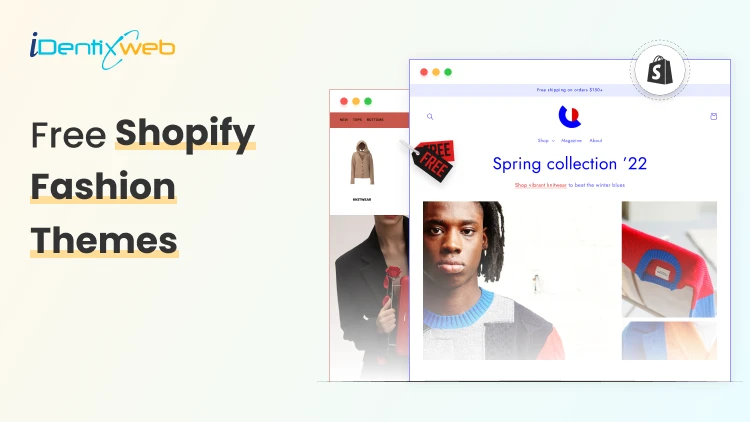
7 Free Shopify Fashion Themes For Modern Clothing Stores
If you’re launching or redesigning a fashion brand, choosing the right theme is one of the most critical UX and conversion decisions you will make. The right Shopify fashion themes combine strong visual storytelling, mobile-first layouts, and high-performance architecture. Powered by Shopify, modern clothing brands can access several high-quality free themes that rival premium templates in design and flexibility. Why Shopify Fashion Themes Matter for Modern Apparel Brands Fashion Shopify themes play a critical role in shaping how customers experience your brand, browse collections, and ultimately make purchasing decisions. Modern apparel brands operate in a highly visual and competitive market. Unlike generic eCommerce templates, purpose-built fashion Shopify themes are designed to highlight high-resolution imagery, support lookbooks, showcase seasonal collections, and tell a cohesive brand story. For clothing stores on Shopify, the right theme influences: Brand credibility and perceived value User experience and site navigation Mobile shopping performance Conversion rates and average order value Top Features to Look for in Shopify Clothing Themes When comparing Shopify Fashion Themes, certain features directly impact performance and conversions. Selecting a theme isn’t just a design decision; it’s a strategic move that directly influences how modern apparel brands attract, engage, and convert customers online. 1. High-Impact Visual Layouts 2. Advanced Product Filtering 3. Mobile-First Design 4. Conversion-Boosting Features 5. Customization Without Code 6. Speed & Performance Optimization 7 Free Fashion Shopify Themes 1. Fabric Fabric is part of Shopify’s new Horizon theme suite built with large image grids and media blocks that spotlight products and lifestyle visuals. It’s ideal for modern shopify fashion themes where visual storytelling is central, and product photography is a competitive advantage. Best for: Apparel brands that rely heavily on product imagery and lifestyle visuals. Why it stands out: Edge-to-edge media blocks that make products pop. Large image grids for visual storytelling. Mega-menu support for easy catalog navigation. Flexible layout blocks (no coding needed). Built to handle diverse product categories. 2. Spotlight Spotlight is a free, stylish theme designed to “shine a light” on your products with a clean layout and efficient buyer journey. It supports flexible sections, enhanced navigation (mega menus, sticky headers), filtering, and other merchandising elements that help clothing stores present items clearly and convert more visitors into buyers. Best for: Fashion brands that want a simple but compelling storefront that gets started fast. Why it works: Designed for clear product display and browsing. Clean layout with emphasis on shoppability. Great support for medium to large catalogs. Works well with product filters and navigation. Good compatibility with Shopify’s visual editor. 3. Colorblock Colorblock is another free Shopify theme focused on strong contrasts, modern typography, and graphic layouts. It’s visually expressive and works especially well for fashion shopify themes targeting a younger audience or brands with bold product ranges. Best for: Trendy apparel brands and streetwear stores aiming for high-energy, visually striking layouts. Key points: Graphic, high-contrast sections that draw attention. Strong typography and color swatches. Great visual merchandising tools for lookbooks. Works especially well with large catalogs. Customization without code. 4. Ritual Ritual comes from the Horizon collection and offers a more editorial, magazine-inspired aesthetic with refined typography and luxury-leaning design elements. It includes advanced merchandising features like product badges, swatches, lookbooks, and enhanced filtering, useful for boutique or high-end fashion stores. Best for: Premium clothing brands and curated fashion labels that emphasize storytelling and refined visuals. Notable features: Editorial magazine-like layouts. High-impact visuals with refined section styling. Product badges & promo banners to boost marketing. Enhanced product discovery (filtering, sorting). Lookbook and storytelling elements included. 5. Horizon Horizon itself (the base theme in the new series) provides a minimalist yet powerful framework that’s highly flexible for customization. Its clean layouts and modular structure make it a solid choice for almost any shopify clothing themes use case from apparel startups to niche fashion boutiques. Best for: Brands seeking a blank-canvas, performance-optimized theme that can be tailored to fit any style. Why choose it: Clean, flexible layout that suits many brand aesthetics. Designed for performance and speed. Bold imagery and typography that elevate product visuals. Easy to customize via block-based editor. Built for scalability across store sizes. 6. Heritage Heritage blends editorial storytelling with tactile visual layouts. Its asymmetrical galleries and immersive sections are designed to help brands convey brand philosophy and craftsmanship, making it suitable for clothing stores that sell heritage-inspired or artisanal apparel. Best for: Fashion shops emphasizing craftsmanship, brand narrative, and rich imagery. Standout elements: Asymmetrical galleries for editorial style. Strong immersive storytelling sections. Highlight product texture and craftsmanship. Enhanced filtering and navigation. Works well for boutique and artisan clothing stores. 7. Rise Rise is a free, versatile theme that scales well with both small and large catalogs. It supports rich brand storytelling sections, slideshows, and user-friendly features like product filtering and recommended products all while maintaining a simple, uncluttered user experience. Best for: Clothing stores on Shopify that need a balance of clarity, ease of use, and catalog flexibility. Why it’s popular: Clean and readable product pages. Flexible layout options for collections. Easy to navigate across multiple categories. Great for stores with varied clothing lines. Polished look without heavy custom work. Conclusion Your website is often the first impression customers have of your brand. A well-designed theme helps you present your products clearly, build trust, and make shopping easy. For fashion brands, strong visuals, smooth navigation, and fast performance are essential. When selecting a theme, focus on what fits your brand style, product range, and future growth plans. Look for layouts that highlight your collections, work well on mobile devices, and offer simple customization options. The right choice will not only make your store look professional but also create a better shopping experience that encourages customers to explore and buy. Frequently Asked Questions 1. What are Shopify fashion themes? Shopify fashion themes are website templates designed specifically for apparel and clothing brands. They focus on strong visuals, clean layouts, and features that make it easier to showcase collections and sell fashion products online. 2. Are free Shopify themes good for clothing stores? Yes, many free themes offer professional design, mobile responsiveness, and essential selling features. They are a great option for new or small clothing stores starting out. 3. How do I choose the right theme for my fashion brand? Consider your brand style, product range, and target audience. If you sell bold streetwear, choose a theme with strong typography and large visuals. If you run a luxury boutique, go for a clean and elegant layout. 4. Can I customize a Shopify theme without coding? Yes. Shopify provides a drag-and-drop editor that allows you to change colors, fonts, sections, banners, and layouts without technical skills.
6 Min • 22 September 2025
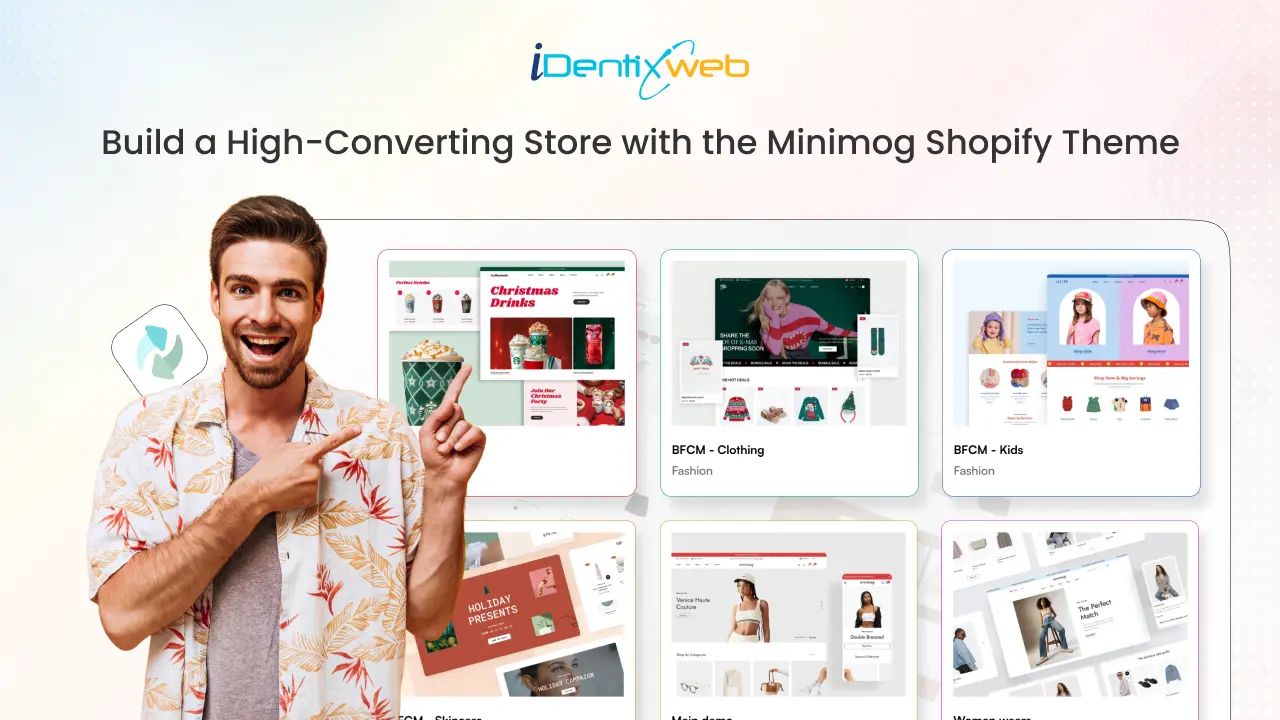
Minimog Shopify Theme Review: Features, Pros, and Cons
As more businesses transition online, store owners are constantly looking for a theme that offers both flexibility and the functionality needed to manage their stores efficiently. The Minimog Shopify theme has emerged as a go-to option for many merchants due to its sleek design, powerful features, and flexibility. If you're considering the Minimog theme for your ecommerce store, let’s dive into its features, key benefits, and potential downsides to help you decide if it's the right choice for your business. What You Need to Know About the Minimog Shopify Theme The Minimog Shopify theme is designed to meet the needs of a variety of businesses. Its clean and modern design makes it ideal for e-commerce stores across multiple industries, including fashion, electronics, furniture, beauty, and more. The theme offers extensive customization options, allowing store owners to tailor the store's appearance and functionality to their specific needs. Minimog provides over 85+ high-converting demos, allowing you to launch your store quickly and efficiently. Whether you're in clothing, fashion, art, or photography, Minimog has a demo tailored to your industry, ensuring you get the perfect start for your online business. Why Minimog is a Great Choice: 12,000+ sales 4.97 star rating with over 700+ reviews Trusted by 4,000+ Shopify merchants Minimog Shopify Theme Pricing & What’s Included The Minimog Shopify theme is priced at $88, a reasonable price for businesses looking to take their online stores to the next level without breaking the bank. The price includes: The theme file 6 months of support (extendable for an additional $27.38 for another 12 months) Access to demo content Lifetime updates Note: The Minimog theme is fully responsive, ensuring that your store performs well on all devices, including desktop, mobile, and tablets. It’s compatible with all major browsers like Chrome, Safari, and Firefox. Who Should Use the Minimog Shopify Theme? Fashion & Apparel Retailer If you're running a fashion or clothing store, Minimog provides modern, stylish layouts that can showcase your products beautifully. It’s designed to display your apparel and accessories in a visually appealing way. Want to start your own online clothing business? Our step-by-step guide will walk you through everything you need to know. Start an Online Clothing Business. Electronics & Gadgets Retailers With its product image zoom and detailed product pages, Minimog is an excellent choice for electronics stores where high-quality visuals and product information are crucial. Beauty & Health The theme’s clean design, product pages, and stunning imagery make it a great choice for beauty, skincare, and wellness brands that want to engage customers with their products. Home Decor & Furniture For stores selling furniture and home goods, the ability to display large images and detailed product descriptions makes Minimog a solid choice for showcasing your offerings. Key Features of the Minimog Shopify Theme Minimog comes packed with features that enhance both the user and store owner experience: Responsive DesignEnsures that your store is mobile-friendly and looks great on any device. Multiple Layout OptionsChoose between grid, list, or masonry layouts to match your brand's aesthetic. Advanced Product Filtering Allows customers to filter products by price, size, color, and more, making it easier to navigate through your inventory. Customizable Mega MenuA dynamic navigation menu that can display dropdowns with images, labels, and links for better navigation. Product SwatchesDisplay product variations (color, size) in an engaging way with product swatches. Product Quick ViewLet customers quickly view product details without leaving the current page. AJAX Add to CartQuick, seamless addition of products to the cart without reloading the page. Customizable Homepage SectionsEasily modify the homepage layout to feature your products, promotions, and other important content. SEO OptimizedBuilt with SEO best practices to help your store rank higher in search engines. Customizable Color SchemesChange the theme's colors to align with your brand’s visual identity. Product ReviewsIntegrates product reviews directly on the product page, helping build customer trust and boost conversion rates. Social Media IntegrationConnect your store with social media platforms to drive more traffic and increase your store's visibility. Newsletter PopupGather leads and build your email list with a customizable newsletter popup. Advanced BloggingEngage your audience and improve SEO through the built-in blogging platform. Looking to boost sales on your Shopify store? Discover our guide on building a high-converting Shopify store that transforms visitors into loyal customers. How to Install the Minimog Theme on Your Shopify Store Here’s how you can quickly get the Minimog theme up and running on your Shopify store: 1. Purchase the Minimog Theme Go to ThemeForest: Visit the ThemeForest website. Search for Minimog Shopify Theme: In the search bar, type “Minimog Shopify theme” and select it from the results. Choose the License: Pick the regular license (priced at $88), which includes the theme file, 12 months of support, and lifetime updates. Finalize Your Purchase: Create an account (if you don't have one) and follow the steps to complete your purchase. Download the Theme: After purchasing, go to your ThemeForest account, find the Downloads section, and download the theme file. 2. Install the Theme Log into your Shopify account. Go to Online Store > Themes in your dashboard. Click Upload Theme and select the downloaded theme file. After the upload, click Actions > Publish to make the theme live on your store. Pros and Cons of the Minimog Shopify Theme Pros Fully responsive, works across all devices Multiple layout and customization options Built-in product swatches, quick view, and advanced filtering SEO optimized for better search engine rankings User-friendly for both beginners and experienced developers Regular updates and excellent support Cons As a premium theme, it comes at a higher cost compared to free or basic paid themes Some advanced customization features may require knowledge of CSS or coding Limited support for third-party app integrations (though this is being improved) Conclusion: Should You Choose the Minimog Shopify Theme? The Minimog Shopify theme is a fantastic option for merchants who need a flexible, feature-rich theme that doesn’t compromise on aesthetics. It’s perfect for a wide range of industries, including fashion, electronics, beauty, and home decor. With its customization options, user-friendly interface, and strong performance, Minimog is ideal for those looking to create a professional, high-performing Shopify store. Explore More Shopify theme options to grow your online store below. Prestige Shopify theme review Empire Shopify theme review Impact Shopify theme review Impulse Shopify theme review Ella Shopify theme review Symmetry Shopify theme review Warehouse Shopify Theme Focal Shopify Theme Shopify Pipeline Theme FAQs Minimog Shopify Theme 1. What industries is the Minimog theme best suited for?Minimog is perfect for a variety of industries, including fashion, beauty, electronics, and home decor, thanks to its modern design and customizable features. 2. Is customer support included in the Minimog theme?Yes, the theme comes with 6 months of support included. Additional support can be purchased if needed. 3. Can I customize the Minimog theme?Yes, you can fully customize the theme, including layout changes, color schemes, fonts, and advanced options like custom CSS. 4. Is the Minimog Shopify theme responsive?Yes, Minimog is fully responsive, ensuring that your store looks great on any device. 5. Is Minimog theme free?No, Minimog is a premium Shopify theme available for purchase.
9 Min • 19 February 2026
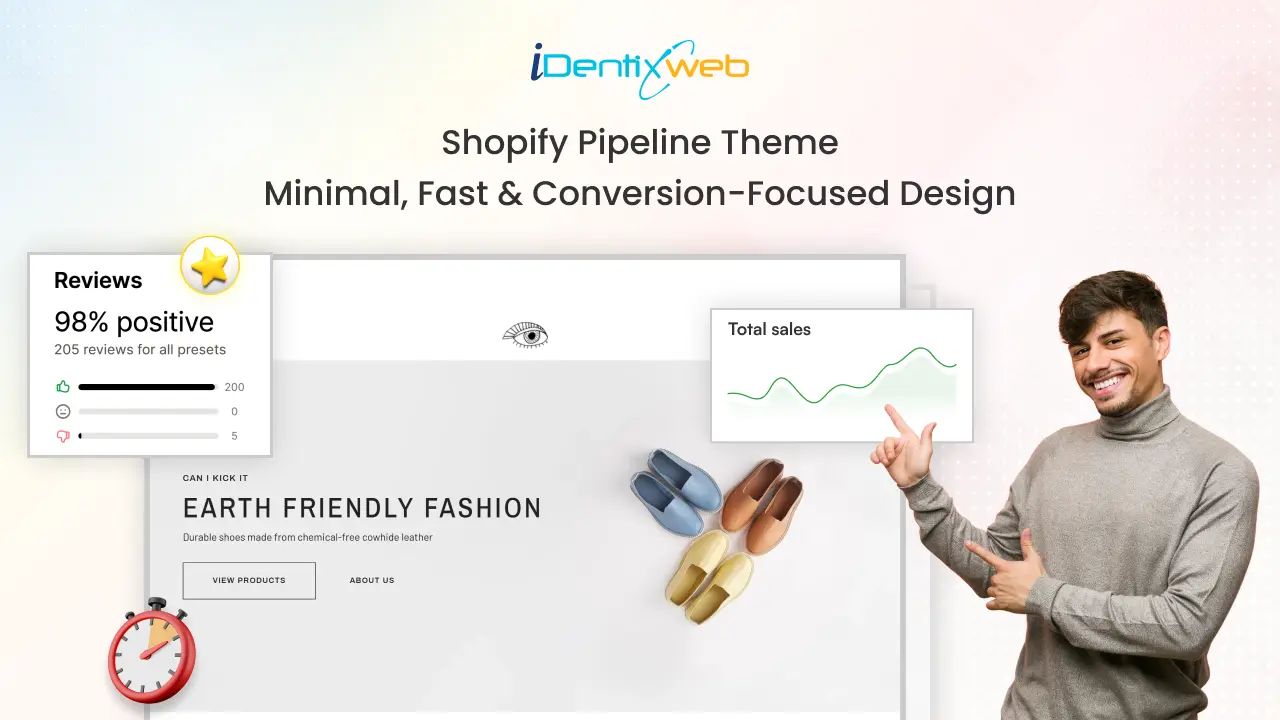
Is the Shopify Pipeline Theme the Right Choice for Your Store?
Your Shopify theme is more than just a design choice, it defines the look, feel, and performance of your online store. One theme that has gained popularity among minimalistic and modern brands is the Pipeline Theme Shopify. In this review, we’ll break down its features, pros & cons, ideal use cases, and expert tips so you can decide if it’s the best Shopify theme for your business. Shopify Pipeline Theme Overview The Pipeline Shopify Theme is a premium Shopify theme designed for merchants who value simplicity, speed, and a mobile-first shopping experience. It’s widely used by fashion, lifestyle, and wellness brands that want to create a sleek online store with high-quality visuals and minimal distractions. Shopify Pipeline Theme Pricing The Pipeline is a paid premium theme available on the Shopify Theme Store. Here’s a breakdown of its pricing details: Price: $360 USD (one-time purchase) Free Trial Available: You can install and test the theme before buying, pay only when you publish it live on your store. One-Time Payment: No monthly subscription; a single payment covers unlimited usage. License: Valid for one store only (you’ll need to repurchase if you want to use it on another store). Free Updates: Future updates from the theme developer are included in your purchase. Support: Free support is provided by the theme developer for installation and troubleshooting. Who Should Use the Pipeline Shopify Theme? The Pipeline Shopify Theme is not a one-size-fits-all solution; it's specifically built for brands that want a clean, visual-first shopping experience. Here’s who will benefit the most: Fashion & Apparel BrandsPipeline’s minimal design helps products like clothing, footwear, and accessories stand out. The large imagery sections allow you to showcase collections in a modern, editorial style. Lifestyle & Wellness StoresIdeal for businesses selling skincare, fitness gear, supplements, or wellness products. The calm and clean layout complements health-focused branding and storytelling. Brands Focused on Storytelling + VisualsPipeline supports blogs, lookbooks, and lifestyle photography, making it perfect for brands that want to tell their story through design and content. Home Décor & Minimalist Product StoresWith its focus on visuals and white space, Pipeline works well for home décor, furniture, or minimalist product lines where product photography needs the spotlight. If you offer scheduled delivery or pickup (common for wellness boxes, fresh products, or made-to-order items), add Stellar Delivery Date & Pickup to your store. This local delivery and pickup Shopify app, lets customers choose a delivery date or pickup slot at checkout, which reduces support tickets and helps you plan fulfillment. Demos of the Shopify Pipeline Theme One of the strengths of the Pipeline Shopify Theme is its flexibility, thanks to multiple demo styles. Each demo offers a unique layout and design approach while maintaining the theme’s signature clean and minimal aesthetic. Here’s an overview: 1. Pipeline – The Classic Demo This is the original version, designed with simplicity and balance in mind. It features large imagery, clear typography, and a smooth flow that keeps the focus on products. Best for: Fashion boutiques, apparel, accessories, and lifestyle stores. Why choose it: A timeless, minimal design that works well for almost any brand that values clean aesthetics and product-centered layouts. 2. Pahoa – Bold & Modern The Pahoa is built with bold layouts and striking imagery, perfect for brands that want to make a strong visual statement. It emphasizes storytelling and lifestyle photography. Best for: Activewear, sports gear, modern fashion, or adventurous lifestyle products. Why choose it: Its edgy and dynamic design style helps you grab attention while still keeping navigation simple and intuitive. 3. Petra – Elegant & Minimalist The Petra offers a more refined and elegant take on this theme. With softer layouts, subtle tones, and a highly polished appearance, Petra is perfect for luxury-focused brands. Best for: High-end clothing, jewelry, beauty, wellness, and luxury accessories. Why choose it: A sleek, minimalist design that complements premium or luxurious products, making them appear even more exclusive. 4. Phantom – Creative & Visual-First The Phantom is highly visual, designed for brands that rely heavily on photography and creative content. It blends strong imagery with storytelling, offering a unique and immersive experience. Best for: Art, design-driven products, home décor, and brands with strong lifestyle photography. Why choose it: It’s ideal if your brand identity revolves around creativity, visuals, and storytelling, offering a distinctive shopping experience Key Features of the Pipeline The Pipeline Shopify Theme offers a powerful set of features designed to deliver a clean, modern, and high-performing store. Here’s an overview of its standout functionalities: Clean & Minimal Design This theme's layout emphasizes visual storytelling with generous white space, bold imagery, and sleek typography. Perfect for brands that want a polished, editorial look. Mobile-First Performance Optimized for mobile shopping, the theme ensures fast loading and smooth navigation on smartphones and tablets, reducing cart abandonment from mobile users. Speed Optimization This theme is lightweight and built for performance, improving SEO rankings and creating a better shopping experience with reduced bounce rates. Advanced Filtering Options Customers can refine searches by size, color, product type, or tags, making it easier to browse large collections efficiently. Mega Menu Support The theme includes a mega menu feature, allowing merchants to display multiple collections, featured products, or promotions in a structured drop-down menu. Boost Your Shopify Store Navigation! Check out our Shopify Mega Menu Examples to see how top stores organize products, improve user experience, and drive sales. Advanced Search Functionality This Shopify theme provides a predictive search bar that shows product suggestions in real-time, helping customers find what they need quickly. Customizable Sections With Shopify’s drag-and-drop editor, you can easily adjust layouts, banners, and product displays without coding knowledge. Content-Driven Layout Ideal for blogs, lookbooks, and lifestyle photography, Shopify Pipeline helps brands create a storytelling experience that connects with customers beyond just products. Multi-Level Navigation Supports multi-tier navigation menus, ensuring customers can browse through categories smoothly, even with larger inventories. Quick View & Quick Buy Shoppers can preview product details or add items to their cart directly from collection pages, improving convenience and speeding up the buying process. It makes it easy for shoppers to add fast with Quick Buy, but the cart is where you can increase order value. With iCart Cart Drawer Cart Upsell, you can turn your cart drawer into a conversion layer using in-cart upsells, bundles, and a progress bar (like free shipping goals) without changing your theme layout. Pros and Cons of the Pipeline Theme Pros Minimal and professional design that keeps focus on visuals Fast loading speed for better SEO and user experience Highly responsive and mobile-friendly layout Easy customization using Shopify’s drag-and-drop editor (no coding required) Advanced filtering and predictive search for smoother navigation Built-in mega menu for structured and organized product browsing Quick view and quick buy options to simplify shopping Content-friendly layouts that support blogs, lookbooks, and storytelling Cons Limited built-in marketing tools compared to other premium Shopify themes Premium pricing ($360) may not suit new merchants on a budget Works best for visual-driven brands (less suitable for bulk catalog stores) Requires third-party apps for advanced sales features like upsells or free gifts Single license use, needs repurchase for multiple stores How We Can Help You Get the Best Out of Pipeline Buying the theme is only half the journey. To maximize sales and conversions, you’ll likely need additional apps, customizations, and integrations. We help merchants unlock the full potential of Shopify themes like Pipeline by offering: Theme Setup & Customization – Tailor this theme to match your brand. Conversion Boosting Apps – Add features like upsells, free gifts, bundles, and delivery options using apps such as: iCart Cart Drawer Cart Upsell Stellar Delivery Date & Pickup Checkout Optimization – Improve user experience and reduce cart abandonment. Ongoing Expert Support – From troubleshooting to scaling your Shopify store. Work with a Shopify expert to ensure your themes are not only beautiful but also built to convert. Final Verdict: Is Pipeline Shopify Theme Worth It? The Pipeline Shopify Theme is a smart choice for businesses that prioritize visual storytelling, speed, and mobile-first performance. While its price may be on the higher side, it offers excellent value considering the features, updates, and dedicated support included in a one-time purchase. This theme is particularly well-suited for brands selling luxurious or design-focused products such as clothing, accessories, wellness items, or even elegant pastries. Its minimal and modern design ensures that your products remain the centerpiece of your store, making this theme one of the top Shopify themes for visually driven and premium brands. Explore More Shopify theme reviews to grow your online store below. Prestige Shopify theme review Empire Shopify theme review Impact Shopify theme review Impulse Shopify theme review Ella Shopify theme review Symmetry Shopify theme review Warehouse Shopify Theme Focal Shopify Theme FAQs Shopify Pipeline Theme 1. Is the Pipeline Theme available for free download?No. This is a premium theme priced at $360 (one-time payment). However, Shopify offers a free trial so you can test it before committing. 2. Can I customize the Pipeline without coding?Yes. Pipeline supports Shopify’s drag-and-drop editor, allowing you to customize layouts, product pages, and sections without any coding knowledge. 3. Is Pipeline a good theme for SEO?Absolutely. Pipeline is lightweight, fast-loading, and mobile-friendly, all of which are critical factors for SEO and higher Google rankings. 4. Does Pipeline come with a Mega Menu?Yes. The Pipeline includes Mega Menu support, which allows you to showcase multiple collections, featured products, or promotions in your navigation. 5. Who should use the Pipeline?Pipeline is best for fashion, lifestyle, wellness, and luxury product stores that rely on visuals and storytelling. It’s also ideal for businesses that want a clean, minimal storefront.
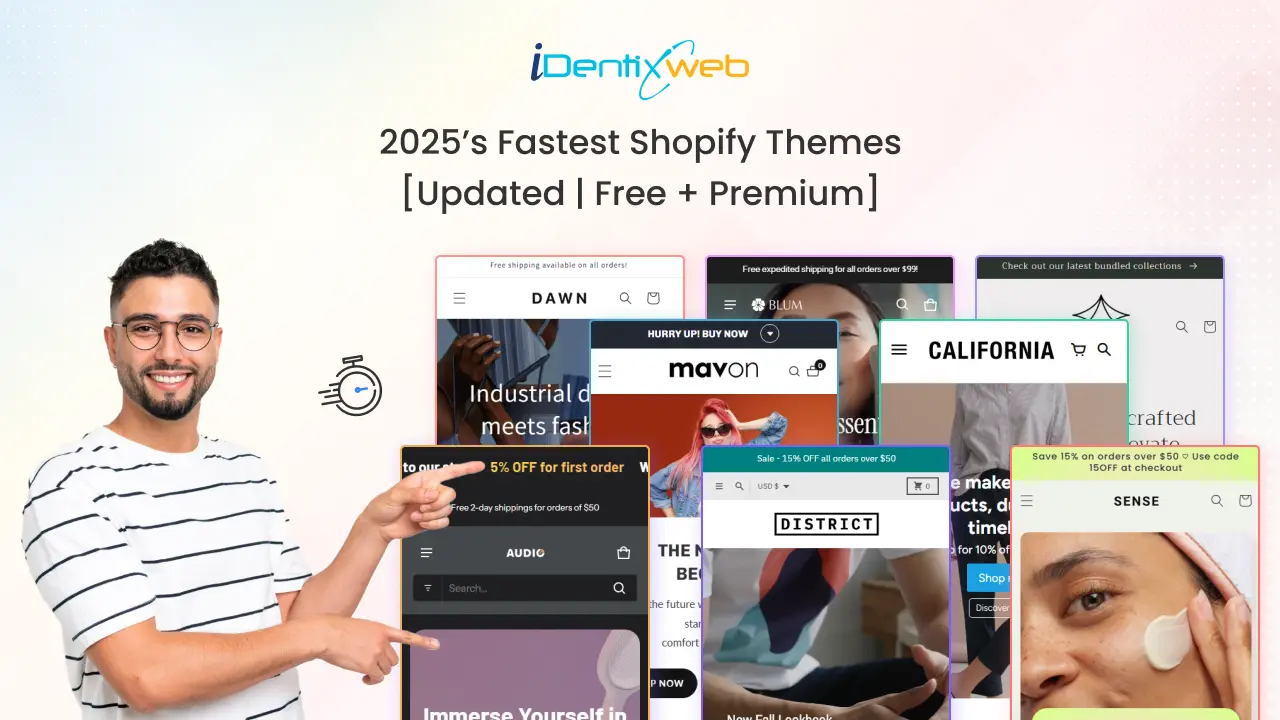
![Flow Shopify Theme Review | Features, Pros, Cons [2026]](https://www.identixweb.com/wp-content/uploads/2025/09/02-09-Tue-Blog-Flow-Shopify-Theme-Complete-Review-Features-Pros-Cons-.webp "Flow Shopify Theme Review | Features, Pros, Cons [2026]")
Vineet Nair
8 Min • 17 February 2026
837 Views
Vineet Nair
8 Min • 13 February 2026
902 Views
Bhavesha Ghatode
8 Min • 1 September 2025
948 Views
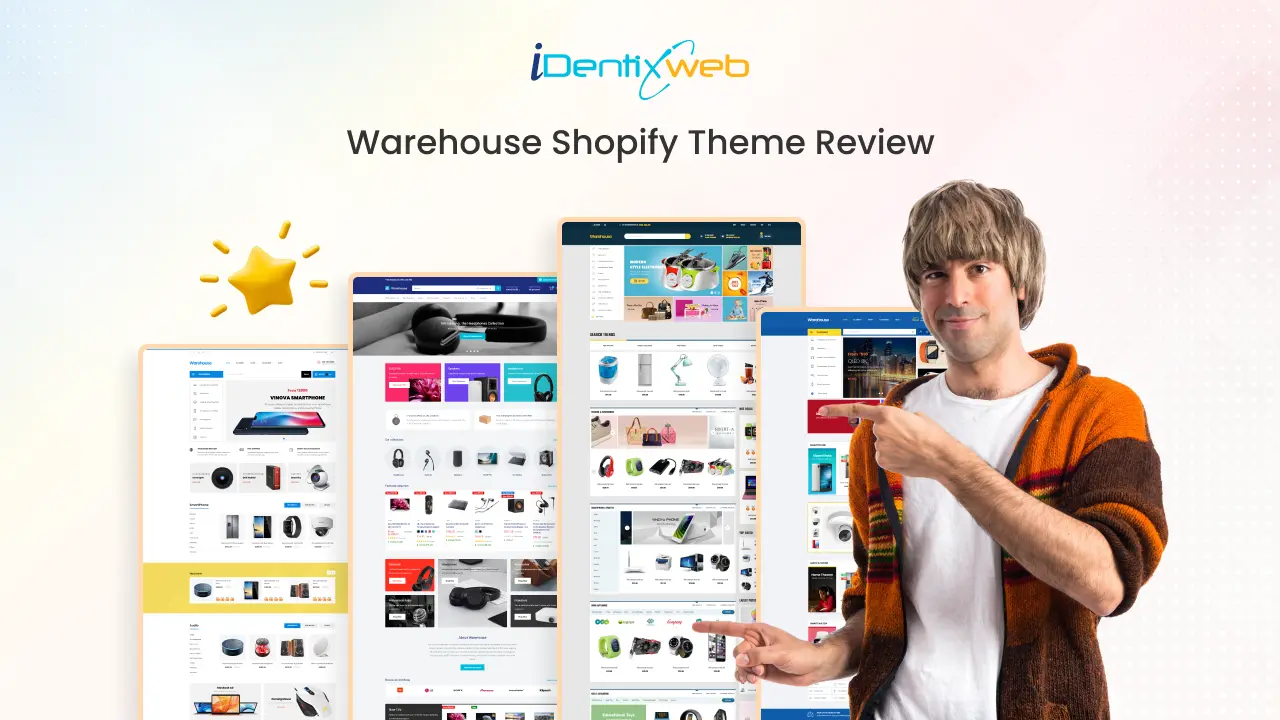
![Concept Shopify Theme Review [2025]: Latest Features & Pricing](https://www.identixweb.com/wp-content/uploads/2025/08/29-08-Fri-Blog-Concept-Shopify-Theme-Review-2025-Latest-Features-Pros-Cons.webp "Concept Shopify Theme Review [2025]: Latest Features & Pricing")
Vineet Nair
7 Min • 29 August 2025
923 Views
Bhavesha Ghatode
9 Min • 25 August 2025
1030 Views
![Broadcast Theme Shopify Review [2025]: Features and Ratings](https://www.identixweb.com/wp-content/uploads/2025/08/25-08-Mon-Blog-Broadcast-Shopify-Theme-Review-2025.webp "Broadcast Theme Shopify Review [2025]: Features and Ratings")
Vineet Nair
7 Min • 26 August 2025
1004 Views
![Symmetry Shopify Theme Review [2025]: Pros, Cons & Features](https://www.identixweb.com/wp-content/uploads/2025/08/21-08-Thu-Blog-Symmetry-Shopify-Theme-Review-2025_-Pros-Cons-Features.webp "Symmetry Shopify Theme Review [2025]: Pros, Cons & Features")
Vineet Nair
8 Min • 21 August 2025
1031 Views
![Motion Shopify Theme Review [2025]: Features, Pros, & Cons](https://www.identixweb.com/wp-content/uploads/2025/08/18-08-Mon-Blog-Motion-Shopify-Theme-Review-2025_-Features-Pros-Cons.webp "Motion Shopify Theme Review [2025]: Features, Pros, & Cons")
Vineet Nair
8 Min • 18 August 2025
1046 Views
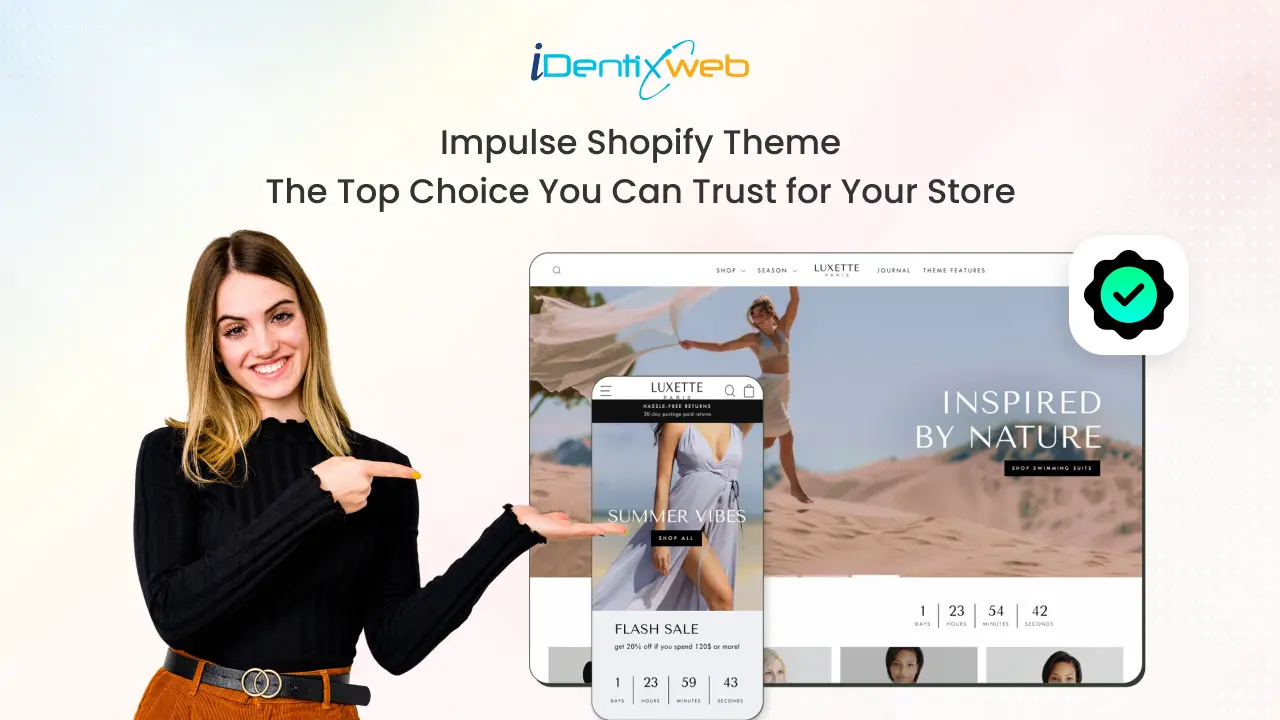
![Impact Shopify Theme Review [2025]: Features, Pros, & Cons](https://www.identixweb.com/wp-content/uploads/2025/08/14-08-Thu-Blog-Impact-Shopify-Theme-Review-2025_-Features-Pros-Cons.webp "Impact Shopify Theme Review [2025]: Features, Pros, & Cons")
Vineet Nair
7 Min • 16 January 2026
1075 Views
Bhavesha Ghatode
9 Min • 14 August 2025
1050 Views
![10 Best Shopify Themes for Dropshipping in 2026 [Free+Paid]](https://www.identixweb.com/wp-content/uploads/2025/08/10-Best-Shopify-Themes-for-Dropshipping-Free-Paid.webp "10 Best Shopify Themes for Dropshipping in 2026 [Free+Paid]")
Vineet Nair
12 Min • 18 July 2026
1051 Views
![10 High Converting Shopify Themes For Your Store [Free+Paid]](https://www.identixweb.com/wp-content/uploads/2025/08/12-08-Tue-Blog-Top-10-high-converting-Shopify-themes.webp "10 High Converting Shopify Themes For Your Store [Free+Paid]")
Vineet Nair
8 Min • 13 August 2026
1059 Views