





Are you thinking about starting a Shopify restaurant in 2026? Fantastic. The food business has great profit margins, but only if you do it the right way.
I have analyzed hundreds of Shopify restaurants in my 10 years as a Shopify expert and I can tell you one thing very clearly:
Running a restaurant will feel exhausting but rewarding.
Customers want pickup, local delivery, and clear timing. Menu items change. Add-ons and special requests show up on every order. One small mistake can turn into a refund and the customer who never comes back.
But if everything goes right, the profits come fast and steady.
The real question is, ‘Is Shopify good for restaurants?’
The answer decides your setup, your apps, and your budget.
By the end, you’ll know exactly if Shopify for restaurants is built for selling.
Is Shopify good for restaurants?
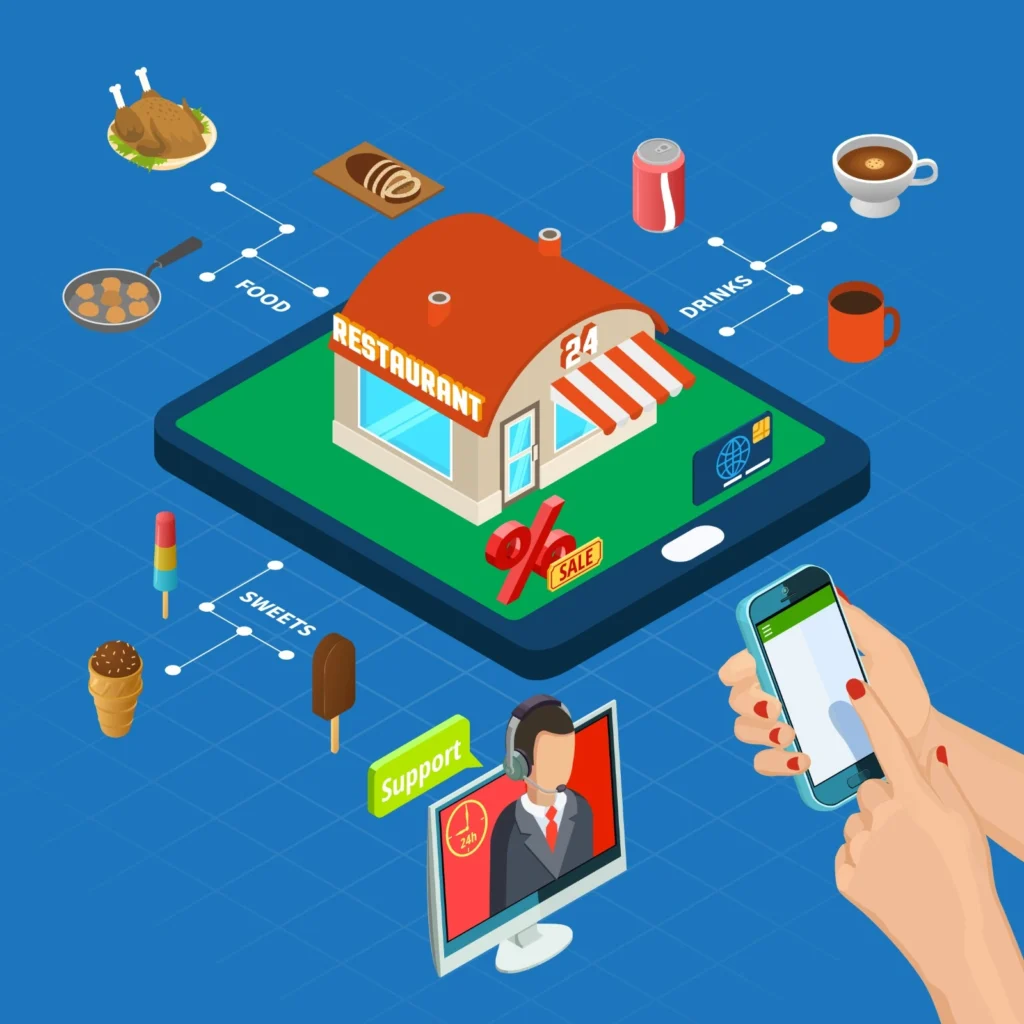
Yes. Shopify is great for restaurants. It works best for online ordering, pickup, local delivery, gift cards, and selling packaged items.
For dine-in workflows like table service and kitchen tickets, you can connect a restaurant-focused POS to solutions like Shopify POS.
Why are Shopify restaurants profitable?
You own the customer list
Shopify helps owners collect emails and phone numbers, so repeat orders come from your own marketing, not only delivery apps.
The checkout is faster
Customers trust a clean checkout on mobile, which reduces abandoned carts during peak meal hours.
Can easily upsell food items
Shopify for restaurants lets you add sides, drinks, desserts, extra toppings, and combo bundles at the right step in the cart or checkout.
It supports more than one revenue stream
Shopify works for pickup orders, local delivery, gift cards, catering pages, and packaged goods like sauces or coffee.
Brand control stays with you
You control the storefront, the menu layout, the photos, the offers, and the order flow, with no marketplace limitations.
Marketing is built in
Shopify plugs into email and SMS tools easily, so promotions and reordering don’t feel complicated.
You can scale more easily
Start simple for one location, then add scheduling, delivery rules, and POS extensions as order volume grows.
Shopify POS for food and beverage is a great tool for owners. Pepper Palace is a great example.
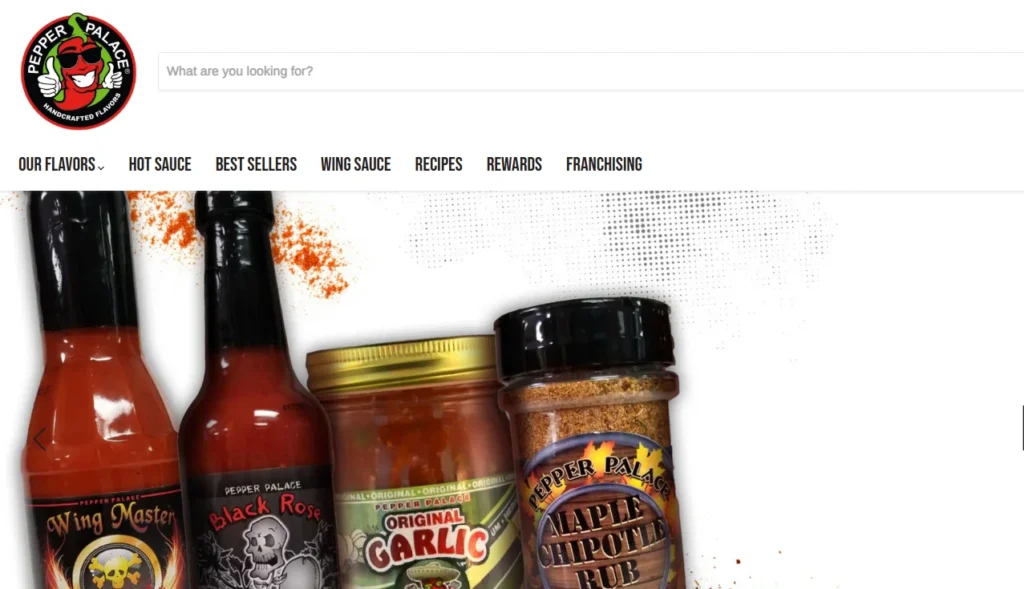
This Shopify store scaled from 40 to 100 locations when it migrated to Shopify POS.
Can you sell food on Shopify? Yes, but pick your food business model
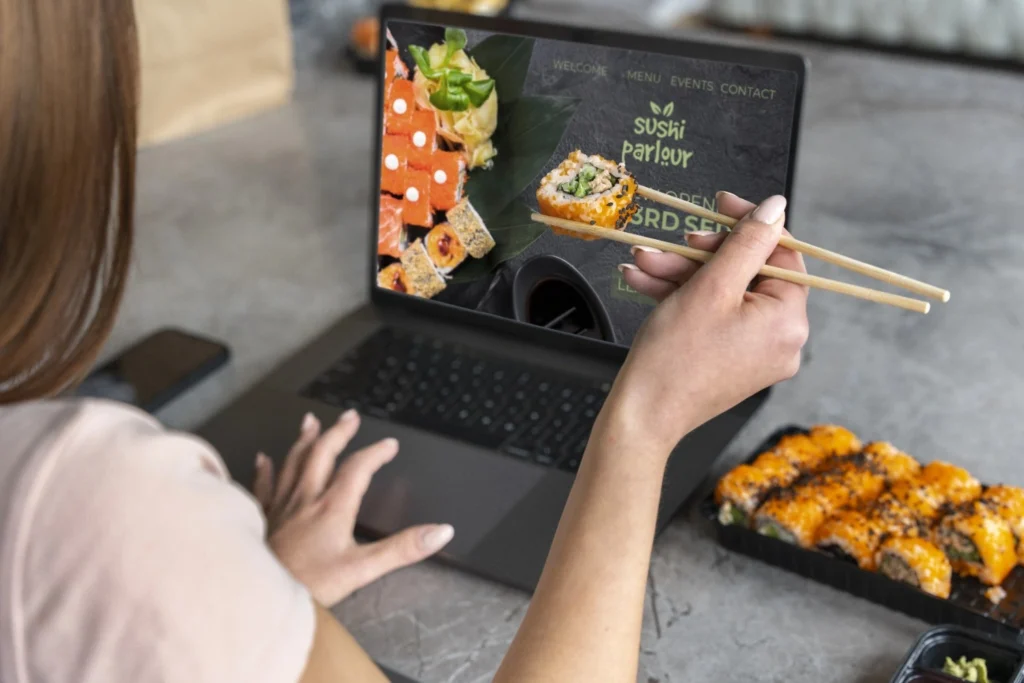
A restaurant is not the only business you can start on Shopify. There are different food models you can pick from
Made-to-order pickup
This model is simple. Customers choose items, pay online, and pick up within a clear window. The menus are small.
Owners add prep time so the kitchen work doesn't become hectic with orders.
Local delivery
Here, owners define zones by distance or postal codes. You can set a minimum order value so delivery doesn’t eat margin.
Add delivery fees that match fuel and staff time. Customers care more about accuracy and timing than fancy features. A clear system reduces order issues and support calls.
Nationwide shipping
This is the easiest way to scale beyond your neighborhood.
In this model, you need to focus on products that transit better. Sauces, spice blends, snacks, coffee, and dry mixes fit this category.
Keep a steady shipping workflow to keep returns and refunds low, which matters a lot in selling food on Shopify.
Meal kits or subscriptions
This works when you choose products that people order regularly.
Inventory planning is key here. Keep the choices limited at first. A simple “weekly box” or “monthly pack” is a good start. Then you can expand to more bundles or add-ons.
What setup do I recommend for Shopify restaurant owners?

Online ordering + pickup (best for beginners)
- Build your menu as products with clear names, portions, and add-ons (extra cheese, toppings, sides).
- Turn on pickup with a clear prep time, pickup instructions, and a short “ready in X minutes” message.
- Use email/SMS confirmations so customers know the order status and your team gets fewer “is it ready?” calls.
Pickup + local delivery (most common)
- Add delivery zones by zip/postal code, set a minimum order, and charge a delivery fee that protects margin.
- Set order limits per slot so the kitchen doesn’t crash during rush hours.
Dine-in support (advanced)
- Run Shopify POS for payments and customer data.
- Add a restaurant POS extension for table service, open tabs, complex modifiers, and clean kitchen tickets.
Decided on Your Shopify Restaurant Setup?
If you’ve decided on your restaurant setup, the next step is building it the right way.
A clean menu structure, the right pickup and delivery flow, clear prep times, and a checkout that feels simple to get consistent sales.
At Identixweb, we help restaurant founders launch Shopify stores that are fast, conversion-focused, and built for real operations.
With our Shopify store setup services, we will set up your store, theme, key pages, and the ordering experience. We’ll guide you on the best apps for scheduling, delivery rules, and add-ons based on how your restaurant runs.
Challenges faced by Shopify restaurant founders
Dine-in table service isn’t native
Shopify for restaurants handles online selling well, but table mapping, seat numbers, split bills, open tabs, and course flow usually need a restaurant POS extension.
Kitchen tickets need clean routing.
Restaurants rely on clear kitchen tickets and timing. Without a POS setup built for kitchens, orders can land in the wrong place or show up without the details the kitchen needs.
Real-time menu changes are hard without a system
Sold-out items, daily specials, and price changes must update fast, or customers will order items you can’t fulfill.
Prep timing needs time
Pickup and delivery get complicated when you don’t set cutoff times, prep buffers, time slots, and order limits.
Refunds spike when expectations aren’t clear
Missing pickup instructions, unclear delivery windows, and confusing policies create support calls, cancellations, and bad reviews.
5 food and beverage Shopify stores to check out
As a Shopify expert, I love these 5 brands that are using the most of Shopify's functionalities.
| Store | Website | What they sell |
| Athletic Brewing Co. | athleticbrewing.com | Non-alcoholic beer |
| Chomps | chomps.com | Snack sticks (meat snacks) |
| The Bomb Co | thebombco.com | Food products (brand focuses on bold, colorful product lineup) |
| Olipop | drinkolipop.com | Prebiotic soda |
| GrownAs* Foods | grownasfoods.com | Plant-based mac and cheese |
Final Verdict: Is Shopify good for Restaurants?
Shopify for restaurants is a strong pick when the goal is to sell food online with complete control.
It handles online ordering, pickup, local delivery rules, gift cards, and packaged products in a way that feels clean for customers.
Shopify gets complicated with the dine-in model. Table service, open tabs, add-ons, and kitchen tickets need a restaurant POS system.
I would advise starting with the model you can run easily, setting the rules around timing and fulfillment. Only then will Shopify feel like a reliable sales channel instead of another system to manage.
FAQs for Is Shopify good for restaurants
1. Is Shopify good for restaurants?
Yes, Shopify is great for restaurants. It is a strong fit for online ordering, pickup, local delivery, gift cards, and selling packaged items. Dine-in workflows like tables, kitchen tickets, and complex add-ons need a restaurant POS.
2. Can you sell food on Shopify?
Yes, you can sell food on Shopify, including made-to-order pickup items and shipped packaged goods.
3. Can you use Shopify POS for a restaurant?
Yes, Shopify POS works well for counter-service stores, basic in-store selling, and keeping customer data in one place. For full table service, split bills, open tabs, and kitchen ticket workflows, most restaurants pair Shopify POS with a restaurant-focused POS extension.
4. Which is the best food product to sell on Shopify?
Shelf-stable packaged products sell best. Sauces, spice blends, coffee, snacks, and ready-to-ship bundles are top food products to sell on Shopify.
5. Which food and beverage model is best for beginners?
Start with store pickup first or products with long shelf life. This is because this model is easy to manage. Local delivery is the next step once you can handle zones, minimum order value, and delivery windows that feel manageable.
![How Much Does Shopify Cost? DIY vs Hiring a Developer [Cost Breakdown]](https://www.identixweb.com/wp-content/uploads/2026/02/24-02-Tue-Blog-How-Much-Does-a-Shopify-Website-Cost_-Experts-Opinion.webp "How Much Does Shopify Cost? DIY vs Hiring a Developer [Cost Breakdown]")
About the author
Vineet Nair
Vineet is an experienced content strategist with expertise in the ecommerce domain and a keen interest in Shopify. He aims to help Shopify merchants thrive in this competitive environment with technical solutions and thoughtfully structured content.