





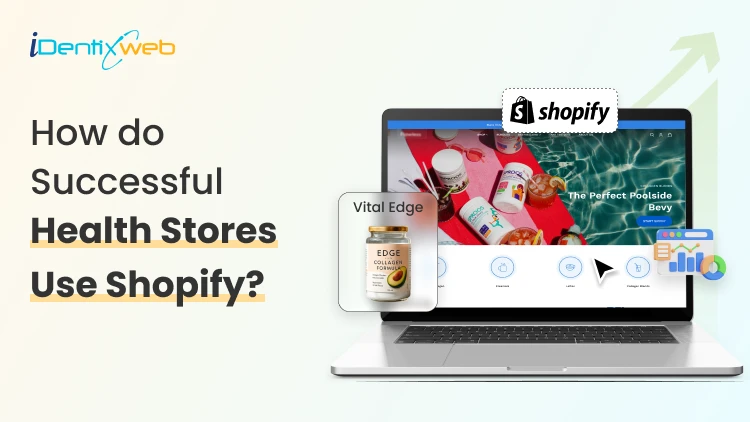

Key Highlights: Successful health and wellness brands use Shopify to personalize shopping with quizzes, build trust through education, automate launches and sales, attract high-intent buyers with smarter targeting, secure checkout, strong content, and influencer-led traffic.
Health and wellness is one of the top 5 categories to sell in right now [Source: Store Leads]
People do not buy health products the same way they buy general items. They want to know how the product improves their health and whether they can trust the brand behind it.
That is especially true for new stores trying to earn their first few customers.
As a Shopify expert, I have worked with hundreds of stores, and I can definitely say that it helps your business get sales from day one.
That is why so many successful health and lifestyle brands are on Shopify, like 1st Phorm and Naked Nutrition.
In this guide, I will look at how these fitness and well-being Shopify stores actually use the platform, what they do differently, and which Shopify features matter most when you are building a new store.
How do Successful Health and Wellness Businesses use Shopify?

They personalize the shopping journey
Many health and nutrition brands sell products that are not one-size-fits-all.
A shopper looking for protein powder or supplements does not want any random product. That is why successful brands use Shopify to create guided shopping experiences.
They add quizzes, product finders, and AI-powered recommendations that help shoppers choose with more confidence.
Best brands build trust with educational content
In my experience in the healthcare category, trust is everything. People want to know everything about what they are buying.
Successful Shopify stores publish blogs, how-to guides, videos explaining ingredients, and wellness tips that answer common questions.
This kind of content helps shoppers feel more informed before they buy.
They use Shopify to run promotions more smoothly
I have worked with growing brands that do not manage every campaign manually. They use Shopify tools and apps to handle product launches, limited-time offers, flash sales, and inventory syncing in a more organized way.
It also reduces the chances of errors during busy campaigns. For a health and wellness business, this matters because promotions often happen around seasonal demand, routine-based offers, or product drops tied to trends.
They focus on high-intent customers
Health and self-care stores use Shopify-connected marketing tools to reach shoppers who are more likely to buy.
That could mean targeting people interested in beauty, daily supplements, fitness, or plant-based wellness.
This approach helps them bring in more qualified traffic.
Successful brands make checkout feel safe
As a health-conscious shopper myself, I only shop from stores that list their ingredients clearly. Customers now look for ingredients, certifications, return policies, and trust badges before placing an order.
Top health and wellbeing businesses make sure checkout feels safe and simple. They also make important product details easy to find before the customer reaches the final step.
They use content-driven marketing to bring in traffic
The best stores create social media content, work with influencers, post educational videos, and build brand awareness across different channels.
Then they direct that traffic to focused product pages, collections, or landing pages inside their Shopify store.
This works well in health and personal care because shoppers often discover brands through content first and buy later after they gain trust.
Top brands increase repeat purchases with subscriptions
A lot of wellness products are made for ongoing use. That allows brands to sell through subscriptions, routine kits, and product bundles.
Shopify makes it easier to set these up with subscription apps. This is one of the smartest ways successful stores grow because repeat orders usually cost less to generate than first-time sales.
Stores make product pages easy to understand
Best brands in the health and wellness category know that confused shoppers do not convert well.
That is why they keep product pages clear and useful. They explain benefits in simple words, show product images clearly, answer common questions, and add reviews that support the buying decision.
These are the top stores I found in the health and wellness category. Study these before launching your own.
Top Health and wellness Shopify stores
| Store | What they sell | Website |
| Cymbiotika | Liposomal supplements focused on areas like immunity, energy, stress relief, recovery, and healthy aging. | cymbiotika.com |
| LMNT | Zero-sugar electrolyte drink mixes and sparkling electrolyte drinks designed for hydration. | drinklmnt.com |
| Dr. Hyman | Supplements, wellness programs, and functional medicine health resources. | drhyman.com |
| Naked Nutrition | Protein powders, vegan protein, overnight oats, creatine, collagen, and other performance nutrition products. | nakednutrition.com |
| 1st Phorm | Protein powders and bars, creatine, vitamins, minerals, hydration products, wellness supplements, energy drinks, and fitness stacks. | 1stphorm.com |
These stores are successful because they use Shopify features that are specifically designed for health and wellness stores.
When I worked with Torque Pharma, a healthcare Shopify store, to increase their AOV by 33.5%, I used every built-in Shopify feature to increase their conversions.

Shopify features for health and wellness business
- Fast, secure checkout helps supplement brands with better conversion because buyers in this category often take more time before making a purchase.
- Subscriptions work well for repeat-use products like protein, vitamins, hydration mixes, and skin care. Subscription apps turn one-time buyers into repeat customers. My personal favourite feature of Shopify.
- Transparency and compliance build trust faster. Successful personal care brands display ingredient lists, product details, certifications like USDA or EWG, and make privacy compliance, such as GDPR or CCPA, visible and reliable.
- Content and educational pages help brands explain benefits, ingredients, and usage thoroughly.
- Marketing automation and audience targeting help stores launch campaigns, recover abandoned carts, and attract higher-intent shoppers.
Grow your fitness & wellness brand in 2026
Successful brands in the health and wellness category use Shopify because it gives them the tools for conversion.
From subscriptions and secure checkout to creating educational content and marketing automation, the platform helps brands create a shopping experience that feels easy for first-time buyers and reliable for repeat customers. If you want to open a store in this category, I would recommend going with Shopify.
FAQs
1. How do successful health and wellness businesses use Shopify?
Successful brands in the health category use Shopify to make shopping feel trustworthy and easy to repeat. They combine strong product pages, educational content, subscriptions, reviews, and a smooth checkout to turn first-time buyers into loyal customers.
2. Can I sell supplements on Shopify?
Yes. You can sell supplements on Shopify, but your products and marketing must follow applicable laws and platform rules. You need to make sure products are properly labeled and not misbranded, and any health claims in advertising need proof.
3. Which are some of the best health and wellness Shopify stores to study?
Cymbiotika, LMNT, and Dr Hyman are some of the best health and wellness Shopify stores.
4. What certificates do I need to start an online healthcare store?
Common trust signals include proper business registration, tax registration, product-specific compliance, and certifications such as USDA Organic or EWG Verified when applicable; you also need compliant labeling and advertising.

About the author
Vineet Nair
Vineet is an experienced content strategist with expertise in the ecommerce domain and a keen interest in Shopify. He aims to help Shopify merchants thrive in this competitive environment with technical solutions and thoughtfully structured content.