





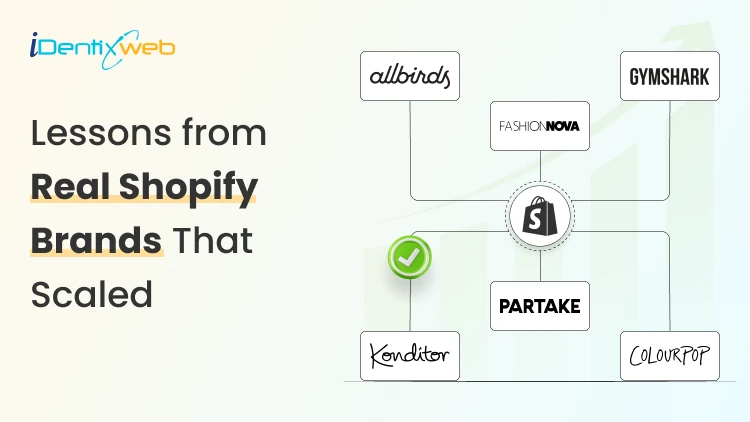
Are Shopify stores successful? Yes, many are. But most wins do not happen because someone found a “secret hack.”
They happen because the store nailed the basics, then improved one thing at a time.
Here’s how to read these Shopify success stories like a store owner.
- Look for the one problem the brand solved better than everyone else (niche and positioning)
- Notice how they guide shoppers from the product page to checkout (UX and cart flow)
- Watch what they do to increase order value (upsells, cross-sells, bundles)
- Pay attention to trust and clarity (proof, policies, reviews, FAQs)
- Steal the process, not the product
But before that, let’s have a quick look at some Shopify stats
Are Shopify stores successful?
Yes. Many Shopify stores are a huge success. In fact, many big brands around the world use Shopify, but here are some facts you should know.
- The Shopify success rate is between 5% to 10%.
- The AOV of Shopify stores is between $85 to $95.
- The average conversion rate for online stores is between 2.5% to 3%.
- Most Shopify stores fail due to selecting the wrong niche.
Shopify Success Stories: Lessons to Learn From Real Stores
Garb Classics
Category: Clothing and accessories

Brand story
Garb Classics started as a simple idea: fashion that feels personal and looks good. Their online store sells graphic tees, hoodies, crewnecks, and lifestyle apparel designed to connect with customers.
The brand chose Shopify Plus to build a scalable store that could grow as demand increased. From the navigation to product layouts, everything points to a modern shopping experience.
How did it achieve success?
At first, Garb Classics faced typical fashion store hurdles: customers viewed one product and left, missing related items that could drive higher purchases. Their product discovery suffered, and AOV stayed low.
To solve this, they implemented a multi-cart experience for their store.
Shopify upsell apps like iCart helped showcase AI-powered recommendations. Someone picking a graphic tee also saw hoodies, hats, or crewnecks that matched.
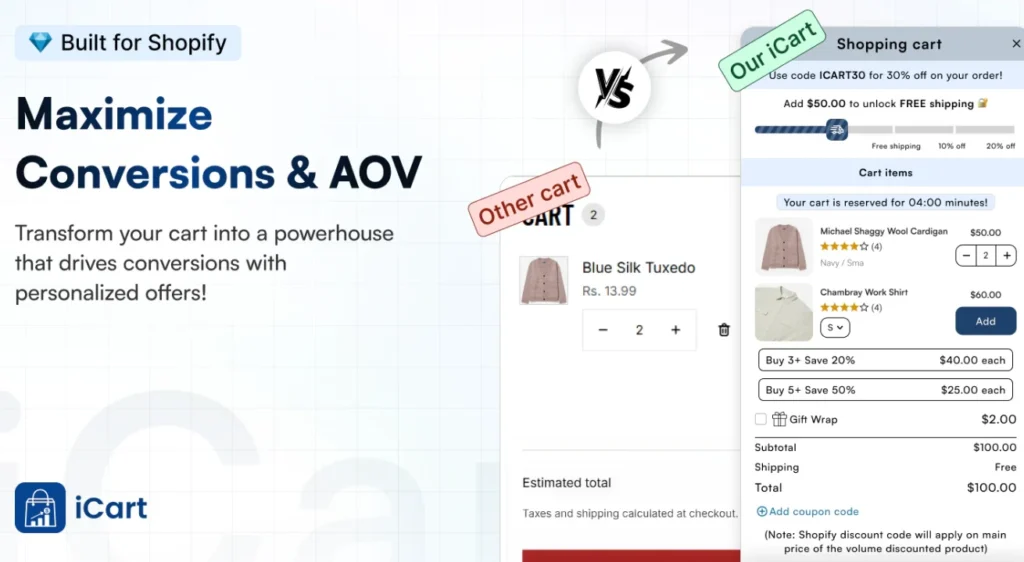
Garb Classics tracked massive growth in key metrics after optimizing their cart. Their AOV and engagement climbed, bounce rates dropped, and cart abandonment went down.
Lessons from this store
- Use upsells and cross-sells: By recommending matching products in the cart, Garb Classics increased cart value without being pushy.
- The founders of Garb Classics focused on cart optimization to help shoppers move from add to cart to checkout.
- Shopify app stores have a wide range of apps to help with your day-to-day operations. Marketing (email, SEO, reviews), store design, sales channels (social selling), orders & shipping, finding products (dropshipping, print-on-demand), and store management (loyalty, helpdesks).
All Birds
Category: Footwear
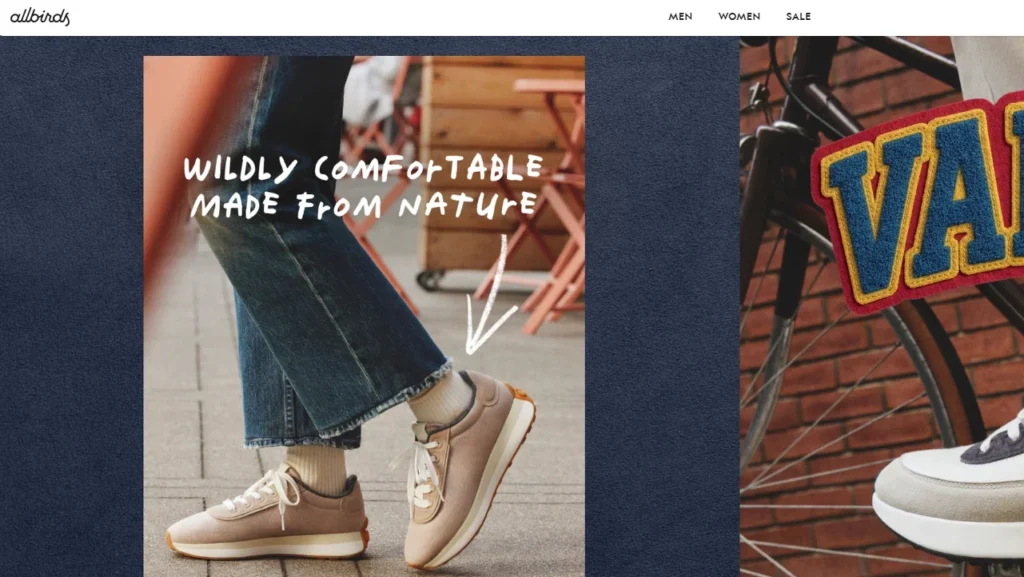
Allbirds is a sustainable footwear and apparel brand built around one simple promise: comfort with a conscience. They make shoes from natural materials like merino wool, eucalyptus tree fiber, and sugarcane to offer minimalist, eco-friendly footwear that feels great to wear.
How did it achieve success?
Choosing Shopify as their ecommerce platform was strategic. Shopify Plus supported Allbirds from early scaling to global expansion with tools for analytics, integrations, and inventory management.
Shopify’s POS system even lets Allbirds blend online and physical retail smoothly, managing orders from stores to customers efficiently.
Lessons from this store:
- The biggest lesson from Allbirds is simple: build something people truly care about.
- Your branding should reflect values, not just features. Allbirds’ emphasis on sustainability gave customers a reason to choose them over big competitors.
- Use built-in analytics tools like Analytics, POS, and multi-channel selling to help you manage growth and expand sales channels without losing control.
Gymshark
Category: Fitness wear
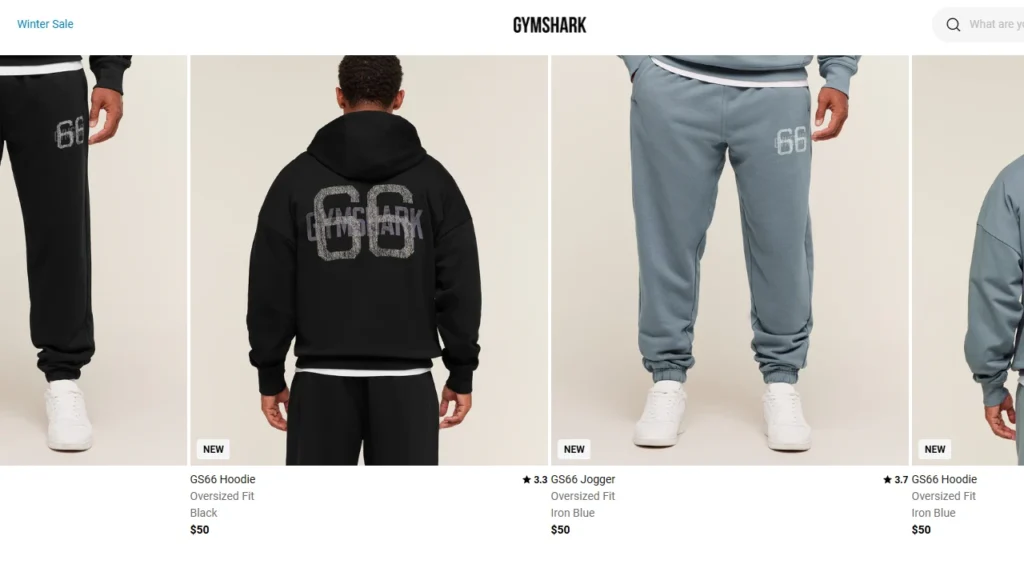
Gymshark started in the UK in 2012 as a small, scrappy fitness apparel brand. Founder Ben Francis built it from a bedroom setup into a global DTC business focusing on fitness wear.
How did it achieve success?
Gymshark eventually moved to Shopify Plus to scale on demand and support international growth.
Gymshark’s website was on Magento, which crashed during the 2015 Black Friday. Shopify highlights that after Gymshark moved to their setup, they prioritized reliability, speed, and the ability to handle spikes in rush hour.
They used Shopify POS to run immersive events and sell in person, while keeping inventory and operations organized across channels.
Lessons from this store:
- Make creators your distribution. You do not need celebrities. You need 10 to 50 niche creators whose audience already matches your buyers.
- Test your store before rush hour: Gymshark’s Black Friday crash is the warning label. Test your theme, apps, and checkout before big promos.
Partake Foods

Category: Food and beverage
Partake Foods began with a very real problem. Founder Denise Woodard’s daughter had severe food allergies, and Denise could not find snacks that felt both safe and tasty, so she started baking her own.
That idea became Partake. The company sells cookies and other snacks that it markets as gluten-free, vegan, non-GMO, and made to avoid major allergens so more families can “partake” together.
How did it achieve success?
Partake won because it picked a sharp niche and made it work. Instead of selling “healthy snacks,” it focused on non-allergenic food for kids and adults.
The top reason your store doesn't appear on the Shopify success stories list is that you pick the wrong niche.
They redesigned their store with Shopify’s built-in tools to highlight trust signals around allergy-safe claims and improve shopping flow. The agency reported a higher conversion rate, lower bounce rate, and higher AOV after the revamp.
Lessons from this store:
- New Shopify store owners often try to sell to everyone, and that usually fails. Partake chose a specific niche within the F&B category, which helped them scale.
- Put your proof close to the buy button: ingredients, certifications, FAQs, and reviews. Shopify has stated that trust signals like badges, policies, and backing up claims increase conversions.
Subtle Asian Treats
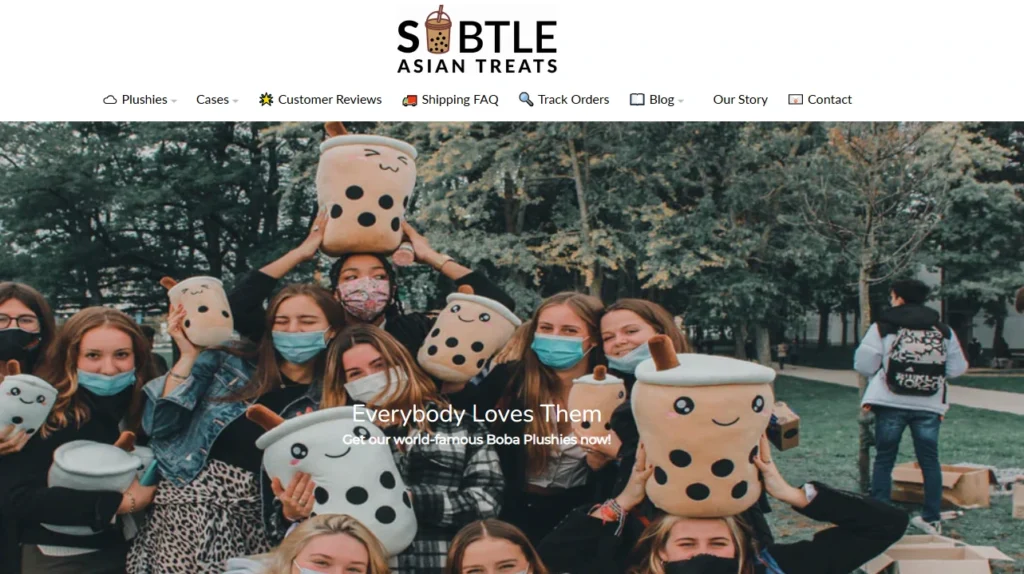
This brand started from a viral Facebook community, “Subtle Asian Traits.” Subtle Asian Treats is one of the most successful Shopify dropshipping stores that sells cute merch, with a big focus on plushies (including boba-themed items), plus accessories like phone and AirPods cases.
How did it achieve success?
Subtle Asian Treats grew fast because it picked a niche that already had demand and emotional value: boba culture + cute collectables.
They curated items that belong together and made a bundle. Shopify recommends this approach for niche stores: curate related products instead of going broad.
Lessons from this store:
- One of the biggest lessons from this store is that they used vibe tied to culture and shared references, which makes customers feel like “this is for me”
- Build collections and bundles like a playlist. When everything fits together, shoppers add more than one item because it all feels connected.
Conclusion
These Shopify success stories all look different on the surface. But the pattern stays the same. Each store made it easy for the right customer to buy their product.
Sit down right now and ask yourself these questions
- Who is my product really for?
- What problem does it solve?
- Why would someone buy it from me instead of a bigger brand?
- What would make a first-time visitor feel confident in 10 seconds?
If you can’t answer those questions fast, your store doesn’t need more ads yet; it needs more clarity. Do more research to improve your store in 2026.
FAQs for Shopify Success Stories
1. What is the Shopify success rate?
The estimated success rates of Shopify stores are around 5% to 10% of stores reaching long-term profitability, so treat that as a rough signal, not a guarantee.
2. What is the most successful store on Shopify?
Shopify powers many massive brands, and you’ll see examples like Allbirds and Gymshark featured in many lists of the most successful Shopify stores.
3. What are the common Shopify selling mistakes?
The big mistakes are picking the wrong audience or niche, weak product pages, a confusing checkout, and making the store slow by adding too many apps. Shopify’s advice is to simplify the shopping experience, prioritize mobile, improve product pages, and fix basics before you start selling.
4. Are Shopify stores successful?
Yes. Many Shopify stores are successful, from small niche stores to global brands. The difference is execution: clear niche, strong product pages, trust signals, and a smooth checkout.
5. Is it hard to be successful on Shopify?
It can be, because ecommerce is competitive and most stores sit around 2.5% to 3% conversion rate, so you need to earn every sale.
6. How successful are health and wellness businesses in using Shopify?
They win by building trust with clear labeling, proof, and compliance-friendly messaging, because customers feel more risk in this category.

![The Only Easter Marketing Ideas for Shopify Stores [Proven Strategies]](https://www.identixweb.com/wp-content/uploads/2026/02/24-02-Tue-Blog-Tips-Tools-for-Shopify-Stores-to-Boost-Easter-Sales.webp "The Only Easter Marketing Ideas for Shopify Stores [Proven Strategies]")

About the author
Vineet Nair
Vineet is an experienced content strategist with expertise in the ecommerce domain and a keen interest in Shopify. He aims to help Shopify merchants thrive in this competitive environment with technical solutions and thoughtfully structured content.