





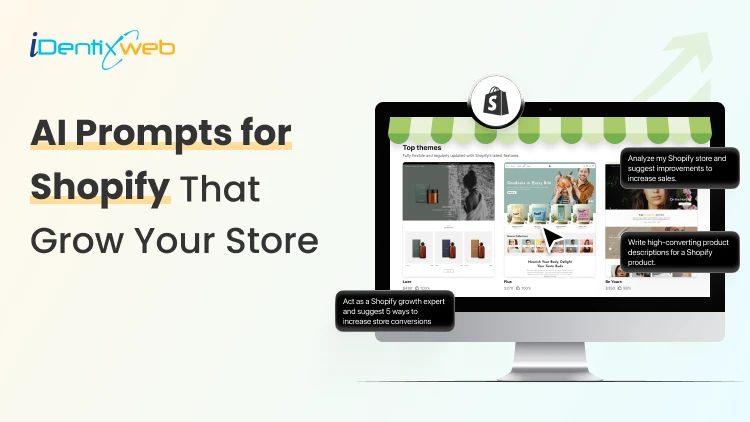

The best ChatGPT prompts for Shopify store owners are the ones that clearly mention the product, target audience, goal, tone, format, and limits. With the right prompt, store owners can create product descriptions, emails, ad copy, support replies, and get solutions that feel specific and ready to use.
Most Shopify owners already know what ChatGPT can do. That part is not new anymore. The real difference comes from how you prompt it.
If your ChatGPT prompts for Shopify are unclear, the output usually is not something you had in mind. When I first started using Sidekick, I had difficulties writing prompts as well for store development.
That is why many new store owners try AI once, get results that they do not want and leave.
A strong prompt changes that. It gives ChatGPT and other AI builders the right direction, so the output feels closer to something you can actually use in your store.
In this blog, you will get different ChatGPT prompts for Shopify to build parts of your store. I will also provide simple tips that have helped me write better prompts and get better faster.
ChatGPT prompts for Shopify, you can copy and paste
It’s important to note that ChatGPT is not the only AI platform now for Shopify. It definitely will help, but I would also recommend using other AI Shopify Store builders like Sidekick to grow your store.
That being said, here are the ChatGPT prompts that have helped me in store development for my clients. You can use these for Shopify or e-commerce stores on other platforms.
I’m writing prompts with an example of a clothing store I worked with that sells pop culture t-shirts.
For product descriptions
[Write a product description for this pop culture T-shirt sold in my store. The T-shirt is inspired by [movie/show/anime/game/theme]. My target audience is fans who want stylish and wearable fandom merch. Keep the tone fun, clear, and easy to read. Focus on what makes the design exciting, how it fits into everyday wear, and why a fan would want to own it. Keep it around 120 to 150 words and end with a soft call to action]
[Write a product description for a graphic T-shirt designed for pop culture fans. The design theme is [theme]. Mention the fabric feel, fit, comfort, print appeal, and why it works for casual outfits. Make the description sound fresh and natural, not overhyped. Write for shoppers who may be buying from a new store for the first time, so the copy should also feel trust-building and easy to understand]
For product pages
[Write a collection page description for the New Arrivals section of my pop culture T-shirt store. The collection features fresh designs inspired by pop culture trends, fandoms, and streetwear style. Keep the tone modern, sharp, and easy to connect with. Focus on the excitement of new drops, new styles, and fresh ways for fans to express what they love through fashion. Make it short, engaging, and suitable for first-time visitors]
[Write a collection page copy for the Bestsellers collection on my store. My store sells pop culture T-shirts for fans who want stylish and wearable designs. The goal is to make shoppers feel these are the most-loved picks from the store. Keep the tone fresh, clear, and exciting. Highlight that these designs are popular for a reason, easy to wear, and loved by fans. Include a short intro that works well for a collection page and makes people want to explore the products]
For ad copies
[Write 5 Facebook ad copies for my Shopify store that sells pop culture T-shirts. The audience is fans who want stylish merch they can wear every day. Each ad should be unique, fun, and scroll-stopping. Focus on self-expression, comfort, and design appeal. Keep the tone youthful and natural. My audience is Gen Alpha. Include a strong hook, short body copy, and CTA for each ad. Here’s a link to my store [Link]. Keep the word length between 15 and 20]
[Write 5 ad copies for a limited drop of pop culture T-shirts in my store. The goal is to make people feel they should check out the collection before it sells out. Keep the tone confident and exciting. Focus on exclusivity, fresh design, and fan interest. Avoid exaggerated hype and make each ad feel slightly different. Here’s a link to my store [Link]. Keep the word length between 15 and 20]
For emails
[Write an abandoned cart email for my store that sells pop culture T-shirts. The customer added products to the cart but did not complete the purchase. Keep the tone friendly and lightly persuasive. Remind them about the designs they liked, highlight comfort and wearable fan style, and create a gentle push to come back and complete the order. Make the email feel natural, not pushy. Include a subject line, preview text, body copy, and CTA]
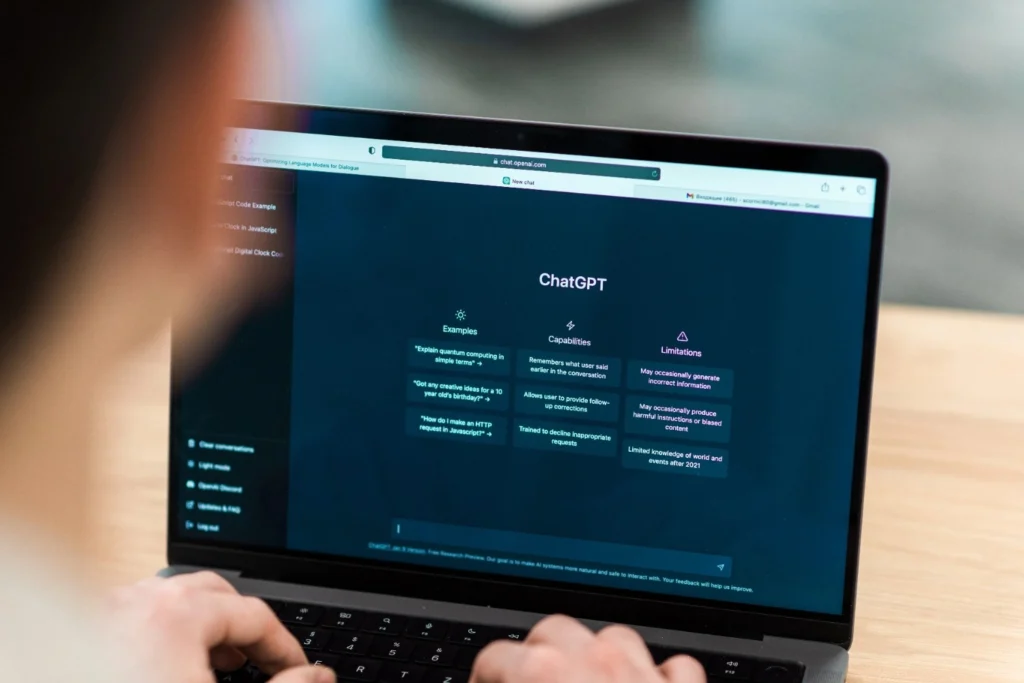
Tips that helped me write better prompts for Shopify stores
Be clear about the task
Do not write unclear prompts. Tell ChatGPT or any other platform exactly what you need. A specific task gives you output that is easier to use.
Good prompt: “Write a collection page description for my ‘Bestsellers’ collection.”
Weak prompt: “Help me write for my collections store.”
Add the right context
Mention what you sell, what makes it different, and what result you want. You can easily do this by adding your website link for them to analyze.
Good prompt: “My store sells pop culture T-shirts for fans who want stylish, wearable designs. Write a copy that feels fun, sharp, and easy to connect with.”
Weak prompt: “Write a copy for my t-shirts.”
Define the audience clearly
Good content speaks to a specific buyer. Mention who the content is for, so the message feels more relevant and conversion-focused
Good prompt: “Write this for first-time shoppers who love anime-inspired streetwear and care about comfort, fit, and designs"
Weak prompt: “Write for my customers who love anime clothes.”
Set the tone and format
If you want short sentences, paragraph format, bullet points, or a friendly tone, say that in the prompt. This saves editing time later.
Good prompt: “Keep the tone conversational. Write in one short paragraph with crisp and short sentences.”
Weak prompt: “Make the tone good for my customers.”
Guide the output with limits
Add word count, key points to include, and anything you want to avoid. This gives you a better output that feels closer to what you want.
Good prompt: “Keep it under 100 words. Mention comfort, design appeal, and everyday wear. Avoid fluff and overly salesy language.”
Weak prompt: “Write a nice description for my ad copy. I sell anime-inspired t-shirts.”
A perfect ChatGPT prompt for Shopify store can save you hours of work
Good results with AI come from giving it the right direction. When the prompts for your store clearly explain the task, audience, tone, and format, the output becomes exactly what you need.
Copy-paste these prompts from this guide as your starting point, then adjust them based on your requirements. The better your prompts get, the better your output. That is what helps you save time, reduce guesswork, and create content that actually fits your Shopify store.
FAQs for ChatGPT prompts for Shopify
1. How to write product descriptions for Shopify?
Write product descriptions by focusing on the customer benefit first, then explain the features in simple, easy-to-scan language. Add relevant keywords naturally and include details like materials, sizing, usage, or care so shoppers feel confident buying.
2. How to write a good ChatGPT prompt for Shopify?
A good Shopify prompt should clearly mention the product, target audience, tone, keyword, and format you want. The more specific your instructions are, the better the output will be.
3. Can I automatically generate product descriptions?
Yes. Shopify lets you generate product descriptions automatically using Shopify Sidekick inside the product editor. You enter product details and keywords, and Shopify creates a draft you can edit before publishing.
4. Which AI is best for Shopify?
For most merchants, Shopify Sidekick is the best AI to start with because it is built into Shopify and works directly inside your store workflow.

About the author
Vineet Nair
Vineet is an experienced content strategist with expertise in the ecommerce domain and a keen interest in Shopify. He aims to help Shopify merchants thrive in this competitive environment with technical solutions and thoughtfully structured content.