





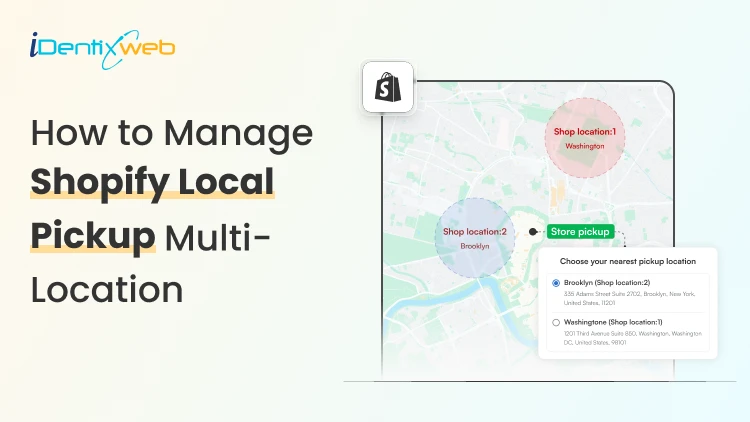
For Shopify merchants operating across multiple locations, however, managing local pickup efficiently can become complex, especially when it comes to inventory synchronization, time slot allocation, and customer flow management.
If you're running or planning to scale a Shopify store with multiple pickup locations, understanding how to streamline operations is critical. This guide dives deep into Shopify local pickup multi-location management, offering practical strategies to handle inventory, pickup slots, and customer flow effectively.
Why Shopify Local Pickup Multi-Location Matters
Offering local pickup isn’t just a convenience; it’s a competitive advantage. When implemented across multiple locations, it allows businesses to:
- Serve customers faster
- Reduce shipping costs
- Optimize inventory distribution
- Increase foot traffic to physical stores
Common Challenges in Multi-Location Local Pickup
Before diving into solutions, let’s identify the key pain points:
1. Inventory Mismanagement
Keeping stock levels accurate across multiple pickup locations is tricky. A mismatch can lead to canceled orders or disappointed customers.
2. Slot Overbooking
Without structured scheduling, customers may select the same pickup time, resulting in overcrowding.
3. Poor Customer Flow
Unorganized pickup processes can lead to long wait times and frustration.
4. Lack of Visibility
Customers often don’t know which location has stock available or when they can pick up their orders.
How to Manage Multiple Pickup Locations
Centralized Inventory Tracking
Shopify gives you the option to manage inventory across multiple locations from a single dashboard. This means you don’t have to check each store separately.
In simple terms, all your stock data lives in one place. When a product is sold from one location, the system automatically updates the inventory count. This helps you avoid confusion and ensures that customers only see what’s actually available.
To make this work well, you need to:
- Set up all your locations correctly in Shopify
- Assign products to the right locations
- Regularly check that inventory updates are happening properly
When everything is centralized, you spend less time fixing errors and more time focusing on sales.
Smart Inventory Allocation
Not all locations sell the same products at the same rate. Some stores may have higher demand, while others move stock more slowly.
Instead of splitting inventory evenly, you should distribute it based on real demand. For example, if one location gets more orders for a certain product, it should have more stock of that item.
You can decide this by looking at:
- Past sales data
- Customer buying patterns
- Seasonal trends (like festive demand)
This approach ensures that your best-selling locations never run out of stock, while slower locations don’t end up holding excess inventory.
Buffer Stock Strategy
Buffer stock is like a safety net. It means keeping a small extra quantity of products at each location.
Why is this important? Because sometimes inventory numbers don’t update instantly, or multiple customers order the same product at the same time. Without a buffer, you might accidentally sell more than you actually have.
By keeping a small backup stock:
- You reduce the risk of order cancellations
- You handle sudden demand spikes better
- You maintain customer trust
Optimizing Pickup Slot Management
Time slot management is essential to avoid chaos at pickup points.
Define Pickup Windows
Set clear pickup hours for each location. For example:
- Morning: 9 AM - 12 PM
- Afternoon: 12 PM - 4 PM
- Evening: 4 PM - 8 PM
Streamlining Customer Flow at Pickup Locations
Customer experience plays a major role in retention. A well-managed pickup process can turn first-time buyers into loyal customers. Provide detailed instructions in order confirmation emails:
- Pickup address
- Time slot
- Required documents (e.g., order ID, ID proof)
Enhancing Multi-Location Pickup with Smart Tools
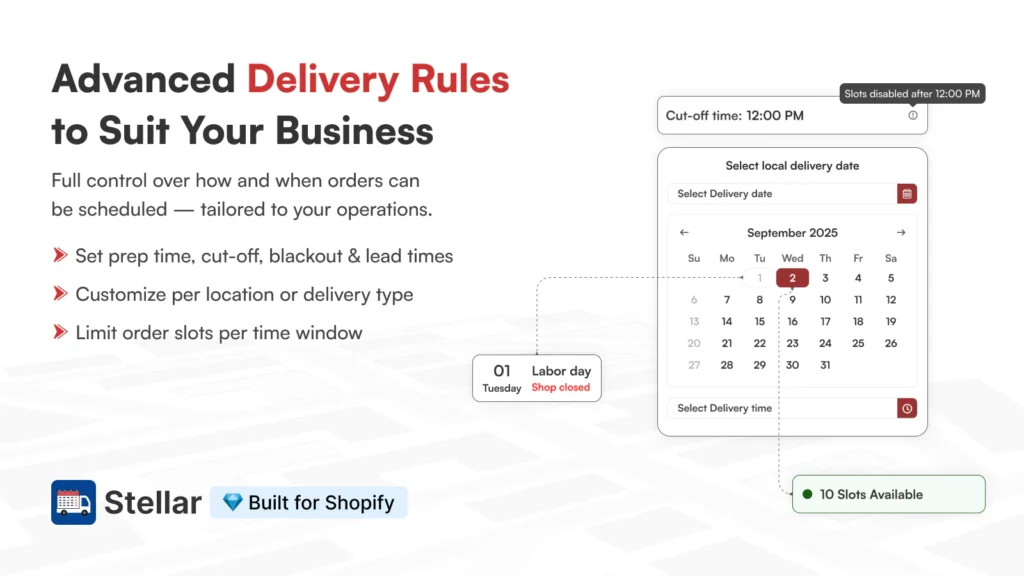
Managing multiple pickup locations manually can quickly become overwhelming, especially as your order volume grows. This is where merchants prefer solutions like the Stellar app that make a meaningful difference. By enabling precise slot scheduling and location-based pickup customization, merchants can reduce operational friction while improving customer satisfaction.
Conclusion
Managing Shopify local pickup multi-location operations efficiently requires a strategic approach to inventory, slot management, and customer flow. By implementing centralized inventory systems, structured pickup scheduling, and streamlined customer flow processes, you can transform your local pickup operations into a seamless experience.
And as your business grows, leveraging smart tools and automation will help you stay ahead of the curve while maintaining operational excellence.
Frequently Asked Questions
1. What is Shopify local pickup multi-location?
Shopify local pickup multi-location allows you to offer customers the option to pick up their orders from different store locations instead of shipping them. It helps businesses manage multiple pickup points while giving customers more flexibility and faster order fulfillment.
2. How can I manage inventory across multiple pickup locations?
To manage inventory effectively, you should use centralized tracking, allocate stock based on demand, maintain buffer stock, and automate inventory updates. This ensures accurate stock levels and prevents issues like overselling or stockouts.
3. How can I improve customer flow at pickup locations?
You can improve customer flow by providing clear instructions, setting up dedicated pickup areas, managing queues efficiently, and training staff to handle pickups quickly. These steps help reduce wait times and create a smoother experience.
4. What are the benefits of offering local pickup?
Local pickup reduces shipping costs, speeds up order fulfillment, increases customer satisfaction, and can even drive more foot traffic to your physical stores.
Post Tags
About the author
Sajini Annie John
Meet Sajini, a seasoned technical content writer with a passion for e-commerce and expertise in Shopify. She is committed to helping online businesses to thrive through the power of well-crafted content.