





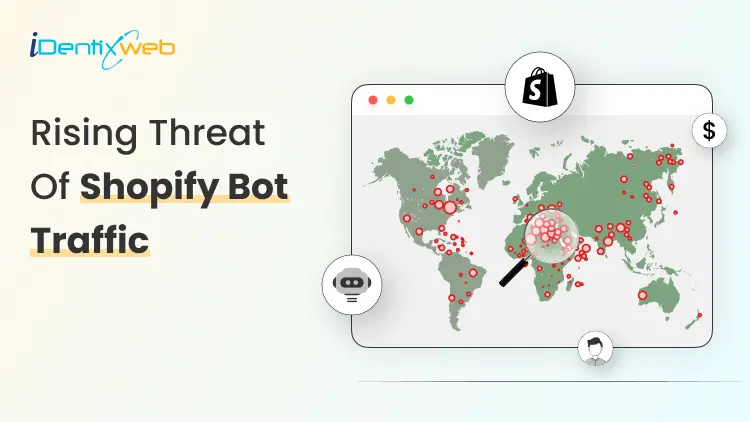
As ecommerce grows, merchants are noticing an increasing amount of automated activity on their storefronts, often referred to as Shopify bot traffic.
While bots are a normal part of the internet ecosystem, the recent rise in large volumes of automated visits, especially from international regions, has encouraged many Shopify store owners to seek stronger visibility and protection tools.
Rather than causing direct harm, Shopify bot traffic primarily affects the accuracy of store analytics and advertising performance.
With more merchants relying on data to drive decision-making, maintaining clean and reliable information has become more important than ever.
How Massive Chinese Shopify Bot Traffic Affects Store Analytics
A common sign of increased Shopify bot traffic is a sudden rise in visits without a corresponding lift in engagement. These automated visits may browse several pages quickly, jump between URLs, or arrive in concentrated waves. While this activity is not malicious, it can create noise within analytics.
Key areas that may be influenced include:
Conversion rate insights
A spike in automated visits can make conversion rates appear lower than they are, simply because the additional sessions are not meant to convert.
Customer behavior metrics
Heatmaps, page views, and browsing patterns sometimes become harder to interpret when mixed with bot-driven navigation.
Audience building for ads
Platforms like Meta and Google build audiences based on site activity. When Shopify bot traffic mixes with genuine customer behavior, retargeting or lookalike segments may become broader than intended.
Testing and optimization work
A/B tests and UX experiments depend on clean data. If automated visits are part of the sample, results may be less precise.
For merchants who rely on data-driven strategies, ensuring the accuracy of these signals helps maintain consistent performance.
How Fake Traffic From China Influences Advertising Performance
Advertising platforms learn from onsite actions to find ideal customers. When Shopify bot traffic becomes a noticeable portion of store visits, ad systems may interpret these patterns as genuine interest.
This can influence:
- Retargeting pools
- Audience quality
- Ad delivery optimization
- Reporting consistency
While the impact varies from store to store, maintaining clear behavioral signals helps ad algorithms operate at their best.
Why Managing Shopify Bot Traffic Can Be Challenging
Many merchants first try to manage increased Shopify bot traffic through manual steps such as IP blocking or region-based filtering. However, automated traffic often comes from a variety of sources, making manual blocking less reliable.
Some reasons it can be difficult include:
- Bots may rotate IP addresses
- They use standard browsers or user agents
- They can appear across many regions
- Shopify currently filters only specific types of automated activity
This is why merchants are increasingly looking for more advanced, platform-level tools to help them monitor and manage these kind of fake traffic effectively.
Why Additional Platform-Level Tools Would Help Merchants
As the volume of Shopify bot traffic grows, merchants benefit from better classification and filtering capabilities. Enhanced tools could help merchants:
- Identify automated sessions more clearly
- Keep analytics focused on verified customer behavior
- Maintain clean advertising signals
- Improve data-driven decision-making
- Segment traffic with greater accuracy
These improvements would support both small businesses and large stores by providing stable, actionable data directly within the Shopify ecosystem.
Practical Steps Merchants Can Take Today
While merchants wait for more platform-level solutions, several immediate actions can help reduce the influence of Shopify bot traffic on store data:
Use traffic-filtering or firewall apps
These tools can flag patterns that appear automated and optionally block or filter them.
Monitor analytics for unusual spikes
Checking location, referrer, and session behavior can help merchants identify automated waves early.
Adjust advertising audiences periodically
Refreshing retargeting and lookalike segments helps maintain quality.
Use geolocation controls if appropriate
Stores that do not serve certain countries can restrict traffic more confidently.
Share traffic patterns with Shopify Support
Shopify can use merchant reports to improve platform-wide detection tools.
These steps help create a cleaner dataset for decision-making and advertising.
Once you block bots, optimize the cart for real traffic
Bot traffic can inflate sessions, wreck your conversion rate, and make it feel like “nothing works.”
After you tighten security and filters, the next move is simple: make sure the real buyers who do land on your store do not drop off at the cart stage.
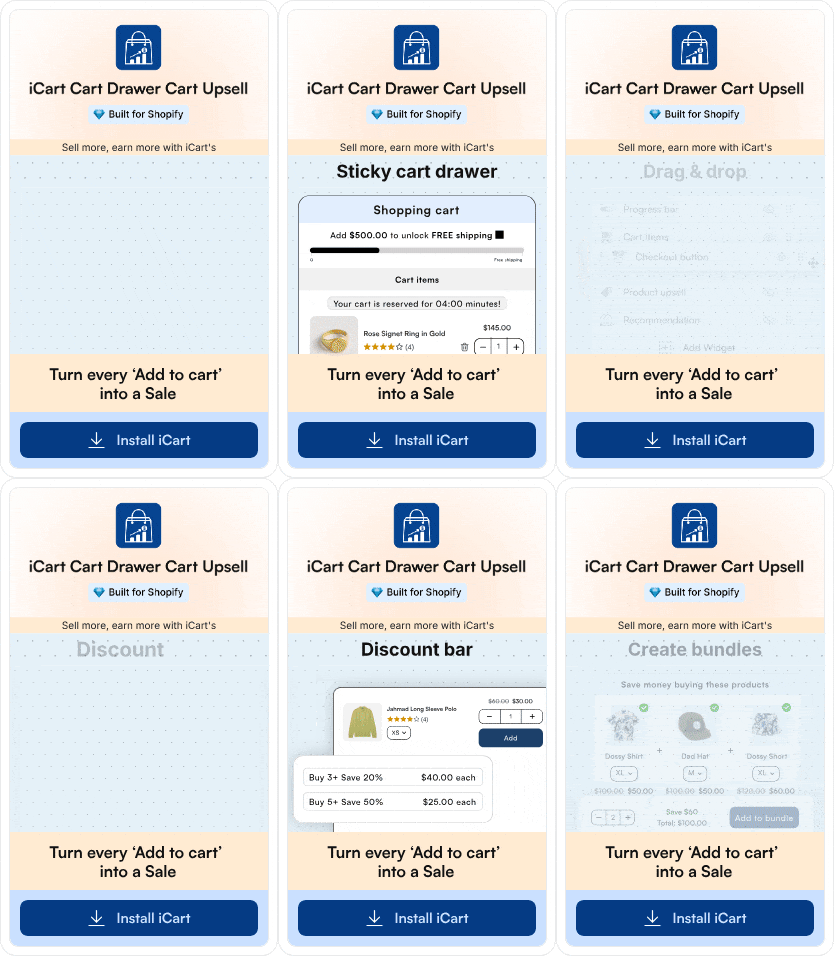
This is where you need Shopify upselling apps like iCart Cart Drawer Cart Upsell to increase your conversions.
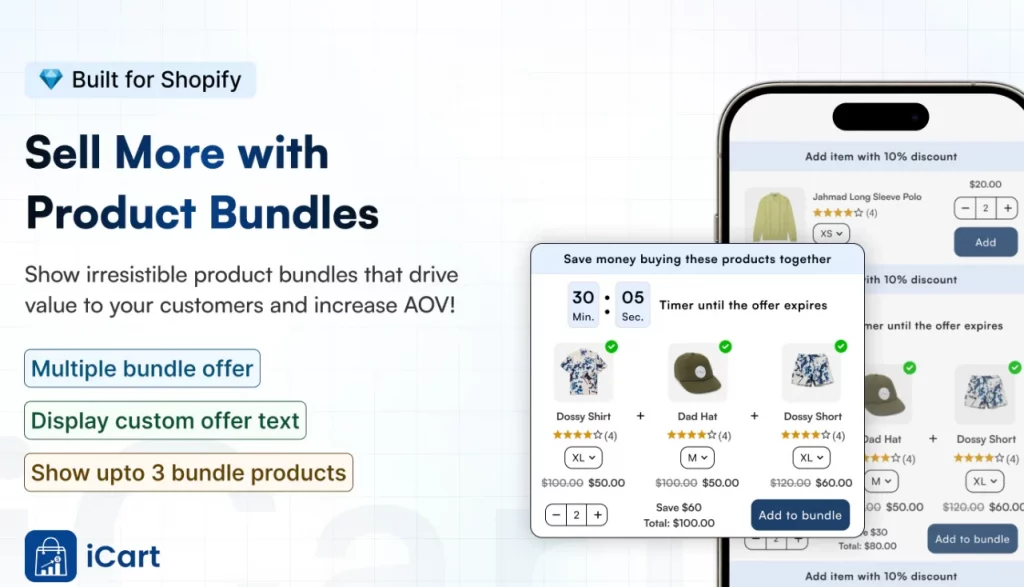
How iCart helps you convert real traffic (not bots)?
- Adds a slide cart/cart drawer so customers can review and check out faster.
- Shows smart upsells and cross-sells inside the cart to increase AOV.
- Uses a progress bar (free shipping, gift unlocks, order goals) to reduce cart abandonment rate.
- Supports “frequently bought together” style product bundles to drive higher-value orders.
Conclusion
The growing presence of Chinese Shopify bot traffic highlights the importance of strong analytics quality, clear audience signals, and reliable data for merchants of all sizes.
While automated visits are not inherently harmful, they can influence key metrics that merchants depend on for marketing and optimization.
By combining proactive monitoring with available filtering tools and as Shopify continues to build stronger detection features merchants can maintain accurate insights, protect advertising performance, and continue scaling confidently.
People Also Ask
1. What is Shopify bot traffic?
Shopify bot traffic refers to automated visits generated by scripts, crawlers, or non-human tools that browse your Shopify storefront. This traffic does not typically engage with products, add items to cart, or complete purchases, but it may influence analytics and marketing data.
2. How can Shopify bot traffic affect my advertising performance?
Advertising platforms like Meta and Google use website engagement signals to optimize campaigns. When Shopify bot traffic inflates visits without real engagement, retargeting pools and lookalike audiences may become less accurate, which can influence ad performance.
3. Can I block Shopify bot traffic manually?
You can block certain regions or IP addresses, but Shopify bot traffic often comes from multiple rotating sources, making manual blocking less effective. Many merchants use firewall or traffic-filtering apps to automate this process.
![The Only Easter Marketing Ideas for Shopify Stores [Proven Strategies]](https://www.identixweb.com/wp-content/uploads/2026/02/24-02-Tue-Blog-Tips-Tools-for-Shopify-Stores-to-Boost-Easter-Sales.webp "The Only Easter Marketing Ideas for Shopify Stores [Proven Strategies]")
About the author
Sajini Annie John
Meet Sajini, a seasoned technical content writer with a passion for e-commerce and expertise in Shopify. She is committed to helping online businesses to thrive through the power of well-crafted content.