



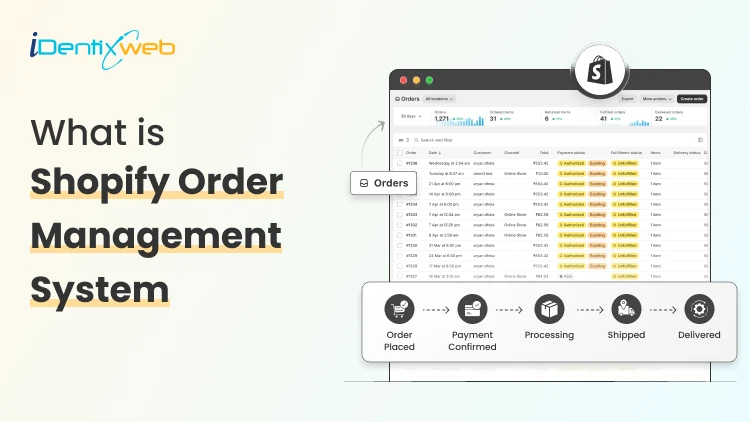
Running an eCommerce business is exciting until order chaos starts coming in. As your store scales, manually handling orders becomes inefficient, error-prone, and costly. That’s where a shopify order management system becomes essential. It doesn’t just track orders, it structures your operations, reduces fulfillment mistakes, and helps you deliver a consistently reliable customer experience.
In this blog, we’ll break down eight powerful systems you can implement within your shopify order management system to organize orders and significantly reduce fulfillment errors.
Why You Need a Shopify Order Management System
Before diving into the systems, let’s establish the problem. Order errors typically come from:
- Manual data entry
- Poor inventory visibility
- Lack of workflow standardization
- Inefficient communication between teams
A robust shopify order management system eliminates these issues by centralizing order data, automating workflows, and improving accuracy across the board.
8 Must Need Shopify Order Management Systems
1. Centralized Order Dashboard System
The foundation of any effective shopify order management system is a centralized dashboard.
What it does:
- Displays all incoming orders in one place
- Segments orders by status (pending, fulfilled, canceled)
- Provides real-time updates
Why it matters:
Without a unified view, orders can slip through the cracks. A centralized dashboard ensures every order is accounted for and processed systematically.
Best practice:
Customize your dashboard views to highlight priority orders, such as express shipping or high-value purchases.
2. Automated Order Routing System
As order volume increases, manual routing becomes unsustainable.
What it does:
- Automatically assigns orders to warehouses or fulfillment centers
- Routes based on location, inventory availability, or shipping method
Why it matters:
Automation reduces human decision-making errors and speeds up fulfillment.
A well-configured shopify order management system can ensure that orders are always routed to the most efficient location, minimizing delays and shipping costs.
3. Inventory Synchronization System
Inventory discrepancies are one of the biggest causes of fulfillment errors.
What it does:
- Syncs inventory levels across all sales channels
- Updates stock in real-time after each purchase
- Prevents overselling
Why it matters:
Customers ordering out-of-stock items leads to cancellations and poor reviews.
A reliable shopify order management system integrates inventory tracking directly with order processing, ensuring accuracy at every step.
4. Order Tagging and Categorization System
Not all orders are created equal. Some need special handling.
What it does:
- Tags orders based on criteria (priority, region, product type)
- Enables filtering and segmentation
Why it matters:
Order tagging helps teams quickly identify and process orders according to specific rules.
For example:
- “High Priority” orders get expedited
- “Fragile Items” receive special packaging
A structured tagging approach within your shopify order management system drastically reduces handling errors.
5. Standardized Fulfillment Workflow System
Inconsistent processes lead to inconsistent results.
What it does:
- Defines step-by-step fulfillment procedures
- Ensures every team member follows the same workflow
Why it matters:
Standardization minimizes variability and human error.
A mature shopify order management system allows you to document and enforce workflows such as:
- Order verification
- Payment confirmation
- Picking
- Packing
- Shipping
This ensures nothing gets skipped.
6. Barcode Scanning and Verification System
Manual picking and packing is error-prone.
What it does:
- Uses barcode scanners to verify products during picking and packing
- Confirms correct items before shipment
Why it matters:
This system acts as a fail-safe against incorrect shipments.
Integrating barcode validation into your shopify order management system ensures that what’s packed matches exactly what was ordered.
7. Real-Time Order Tracking and Notifications System
Transparency reduces customer complaints and internal confusion.
What it does:
- Provides real-time tracking updates
- Sends automated notifications to customers
Why it matters:
Customers don’t need to contact support for updates, and your team spends less time answering inquiries.
A strong shopify order management system connects order fulfillment with shipping carriers, ensuring seamless tracking visibility.
8. Analytics and Error Monitoring System
You can’t fix what you don’t measure.
What it does:
- Tracks fulfillment accuracy rates
- Identifies common error patterns
- Generates performance reports
Why it matters:
Data-driven insights help you continuously improve your operations.
For example, your shopify order management system might reveal:
- Frequent errors in a specific warehouse
- Delays tied to certain products
- Seasonal spikes in fulfillment issues
With this information, you can proactively address problems.
Common Mistakes to Avoid
Even with a solid shopify order management system, businesses often make avoidable mistakes:
1. Over-relying on manual processes
Automation exists for a reason, use it.
2. Ignoring data insights
Analytics are only useful if you act on them.
3. Poor staff training
A system is only as good as the people using it.
4. Not updating workflows
As your business evolves, your processes should too.
Choosing the Right Shopify Order Management System Setup
Not every store needs the same level of complexity.
Small stores:
- Focus on dashboard visibility and tagging
- Basic automation is sufficient
Mid-sized stores:
- Add routing and inventory synchronization
- Implement standardized workflows
Large-scale operations:
- Full automation across all systems
- Advanced analytics and barcode verification
Your shopify order management system should scale with your business, not hold it back.
Final Thoughts
Order fulfillment is where your brand promise meets reality. Mistakes at this stage directly impact customer satisfaction, retention, and profitability.
Implementing these eight systems within your shopify order management system will:
- Reduce human errors
- Improve operational efficiency
- Enhance customer experience
- Support scalable growth
If your current process feels chaotic or inconsistent, that’s a signal, not a failure. With the right systems in place, you can turn fulfillment into a competitive advantage rather than a bottleneck.
Post Tags




About the author
Sajini Annie John
Meet Sajini, a seasoned technical content writer with a passion for e-commerce and expertise in Shopify. She is committed to helping online businesses to thrive through the power of well-crafted content.