







Optimizing Shopify ads for higher ROI in 2026 requires AI-driven targeting, authentic UGC-style creatives, fast creative rotations, and mobile-first landing pages. That means improving the entire conversion system, including ad creatives, message-to-page alignment, store and cart experience, funnel strategy, and business metrics like CPA, AOV, and LTV, rather than just adjusting ad platform settings.
Running a Shopify store in 2026 is more competitive than ever. Ad costs are rising, platforms are more automated, and attention spans are shorter. Simply launching a shopify ad and hoping for sales is no longer a strategy. To stay profitable, you need a structured, data-driven approach to optimizing your ads for higher ROI.
In this guide, we'll break down what actually works in 2026 so you can turn your ad spend into consistent, profitable growth.
What “Optimizing Shopify Ads” Really Means in 2026
Optimizing Shopify ads is not just about tweaking bids or changing audiences. In 2026, real optimization means improving the entire system:
- The ad creative that stops the scroll
- The message that matches user intent
- The landing or product page experience
- The checkout flow and offer
- The data and feedback loop you use to make decisions
Your ROI is the result of how all these parts work together. A great ad sending traffic to a slow, confusing product page will still lose money. Likewise, a great store with weak ads will struggle to scale.
How to Optimize Shopify Ads
1. Start With the Right ROI Metrics (Not Just ROAS)
Many store owners judge performance only by ROAS, but that often leads to bad decisions. A campaign can show a good ROAS while still being unprofitable due to low margins, high refunds, or poor repeat purchase behavior.
In 2026, you should evaluate every Shopify ad using a combination of metrics: cost per acquisition (CPA), average order value (AOV), contribution margin, and customer lifetime value (LTV). For example, if one campaign brings customers who reorder every month, you can afford a higher CPA and still be more profitable in the long run. On the other hand, a campaign that only brings one-time buyers needs to be much stricter on costs.
2. Optimize Your Store Before You Scale Your Ads
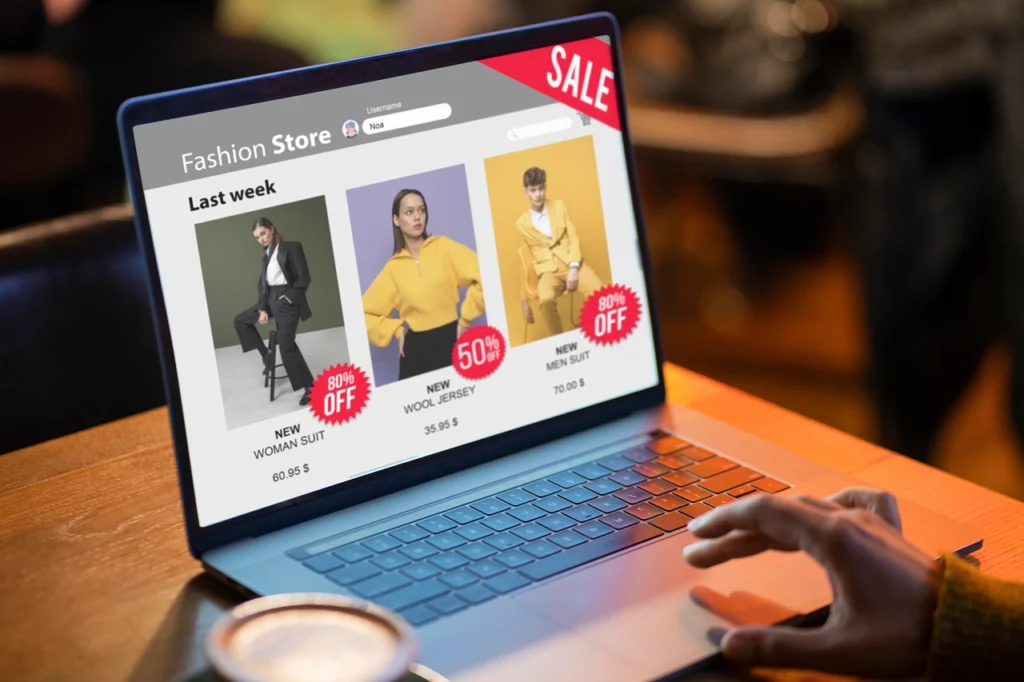
One of the fastest ways to burn money on Shopify ads is to scale traffic to a store that isn’t fully optimized. Even the best ad can’t fix a poor on-site experience. If your store leaks conversions, you’ll just spend more to get the same (or worse) results.
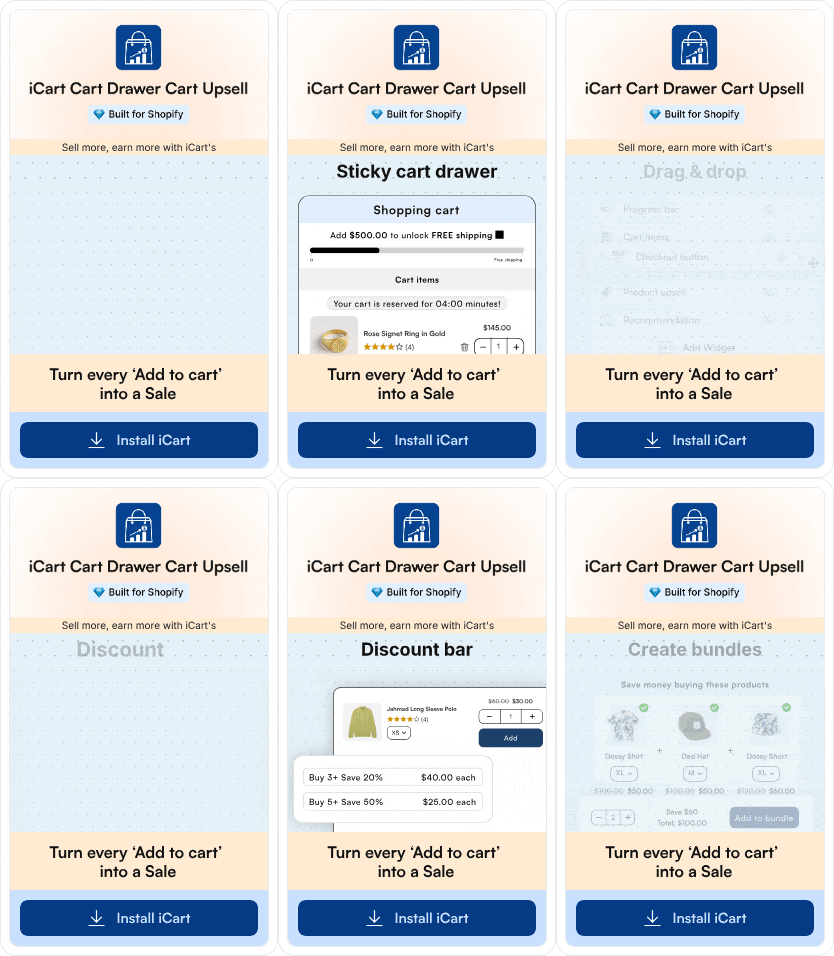
Most people focus only on product pages but in 2026, the cart experience is just as important. A huge percentage of users drop off after they’ve already shown high intent by adding a product to cart. That means you’re paying for clicks, paying for intent, and then losing the sale right before checkout. Does your cart encourage users to complete the purchase or does it just show items and a checkout button? Optimize your cart by adding more buying options for customers. To save your time and efforts, you can try apps like iCart in your store.
Before scaling any shopify ads, audit your store:
- Is your site fast on mobile?
- Is your product page clear and benefit-driven?
- Are there strong reviews and social proof?
- Is your offer compelling compared to competitors?
- Is checkout frictionless?
3. Creative Is the Biggest Lever in 2026
Targeting is more automated than ever. Platforms like Meta, Google, and TikTok rely heavily on machine learning. That means creative is now your main optimization lever. Winning ads usually differ in three areas: the hook, the angle, and the format. The hook stops the scroll in the first few seconds. The angle frames your product in a way that resonates with a specific problem or desire. The format determines how naturally the message fits into the feed, such as UGC, product demos, or story-based videos.
What to test in your ads:
- Hooks (first 3 seconds of video)
- Angles (price, quality, speed, convenience, results)
- Formats (UGC, demo, before/after, founder story)
- Length (short vs longer explainer)
- Messaging (features vs outcomes)
4. Build a Full-Funnel Shopify Ads Strategy

Many advertisers rely only on “buy now” ads and wonder why performance plateaus. In reality, most customers need multiple touches before they purchase, especially for non-commodity products.
A basic structure looks like this:
- Top of Funnel (TOF):
Short-form video, UGC, problem/solution content - Middle of Funnel (MOF):
Retargeting with benefits, use cases, comparisons - Bottom of Funnel (BOF):
Offers, testimonials, urgency, social proof
5. Align Your Ad Message With Your Product Page
One of the most common reasons ads underperform is message mismatch. The ad promises one thing, and the landing page talks about something else. This breaks trust and kills conversions.
If your shopify ad focuses on saving time, your product page should immediately reinforce how and why it saves time. If your ad focuses on results, the page should lead with proof and outcomes, not technical details. The user should feel like they are continuing the same conversation, not starting a new one.
Your ad and your page should:
- Use the same core message
- Show the same benefits
- Continue the same story
- Remove the same objection
Conclusion
Optimizing Shopify ads for higher ROI in 2026 is no longer about tweaking a few settings inside the ad platform. It’s about building a complete growth system that connects your ads, your store experience, and your conversion flow into one optimized journey. When each part works together, every click you pay for becomes more valuable.
By focusing on better creatives, a stronger store experience, smarter measurement, and especially a high-performing cart, you can increase both conversion rates and average order value without increasing your ad spend. This is how you move from unpredictable results to consistent, scalable performance.
Frequently Asked Questions
1. What is the best way to improve ROI from Shopify ads in 2026?
The best way to improve ROI is to focus on the full system, not just the ad platform. This means optimizing your store experience, improving your cart and checkout flow, testing better creatives, and measuring real business metrics like profit and lifetime value.
2. Should I optimize my store before increasing my ad budget?
Yes. Scaling ads to a poorly optimized store usually leads to higher costs and lower profitability. Before increasing spend, make sure your product pages, cart experience, and checkout flow are clean, fast, and conversion-focused.
3. Why is cart optimization so important for Shopify ad performance?
The cart is where high-intent users make their final decision. If your cart experience is slow, confusing, or lacks trust signals, many users will drop off even after clicking your ad and adding a product. Optimizing the cart reduces abandonment and increases average order value, which directly improves the ROI of your ads.
4. Is creative really more important than targeting in 2026?
In most cases, yes. Ad platforms are now heavily automated when it comes to targeting and delivery. What differentiates performance is the creative: the hook, the angle, and the format. Better creatives improve click-through rates, conversion rates, and overall efficiency of your Shopify ads.
Post Tags
About the author
Sajini Annie John
Meet Sajini, a seasoned technical content writer with a passion for e-commerce and expertise in Shopify. She is committed to helping online businesses to thrive through the power of well-crafted content.